Vegetarian recipes are dishes prepared without meat, poultry, or fish. Instead, they rely on vegetables, fruits, legumes, grains, nuts, and dairy products to create flavorful and nutritious meals. Vegetarianism is more than just a diet—it’s a lifestyle that promotes health, sustainability, and compassion for animals.
Whether you are a full-time vegetarian or simply looking to reduce meat consumption, vegetarian cooking offers endless possibilities. From hearty curries to light salads and protein-rich lentil soups, you can enjoy satisfying meals without compromising taste or nutrition.
Benefits of Eating Vegetarian Meals
Eating vegetarian foods is not just a trend it’s a smart choice for your body and the planet. Here are a few top benefits:
- Improved Health: Vegetarian diets are rich in vitamins, minerals, fiber, and antioxidants that promote better digestion and heart health.
- Weight Management: Plant-based meals are naturally lower in calories and saturated fats, helping maintain a healthy weight.
- Environmental Sustainability: Reducing meat consumption lowers your carbon footprint and conserves natural resources.
- Better Digestion: Fiber-rich foods like lentils, beans, and vegetables support gut health.
- Variety & Flavor: Vegetarian cuisine is full of colors, textures, and global influences that make every meal exciting.
Popular Vegetarian Recipes You Must Try
Here are some of the most loved vegetarian recipes that are both delicious and easy to prepare at home:
1. Vegetable Biryani
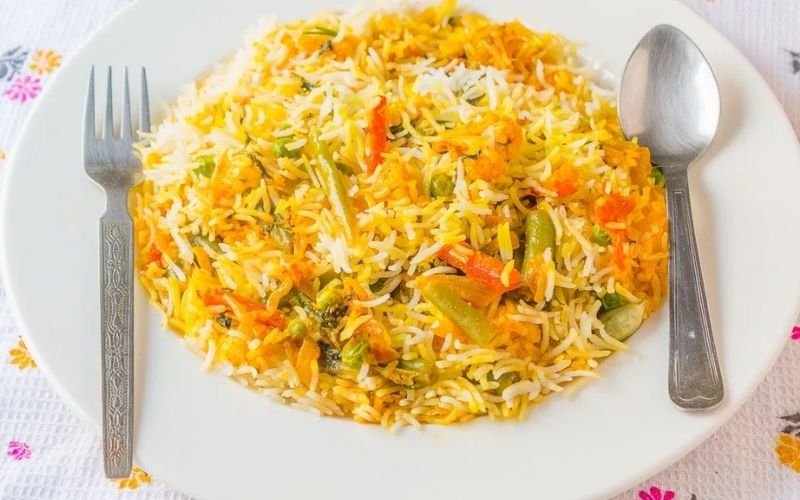
A fragrant rice dish cooked with basmati rice, mixed vegetables, and aromatic spices like saffron, cardamom, and cinnamon. It’s a perfect one-pot meal for family dinners.
2. Chana Masala
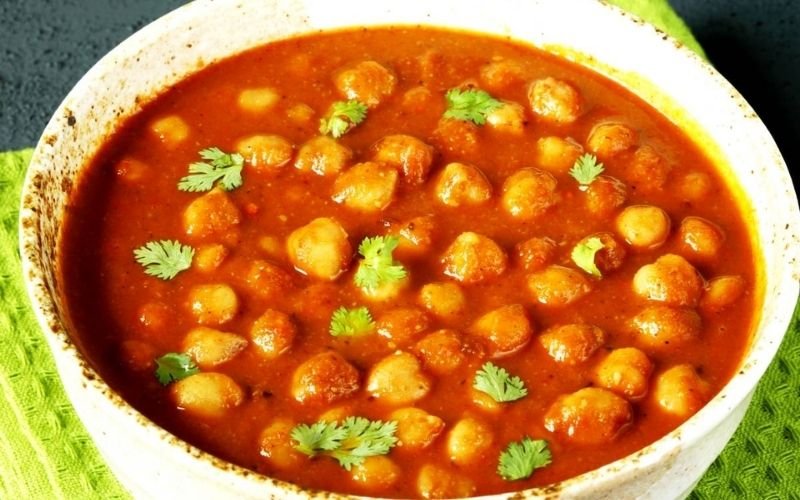
A spicy chickpea curry made with onions, tomatoes, and traditional Indian spices. Best served with rice or naan for a hearty and satisfying meal.
3. Paneer Butter Masala
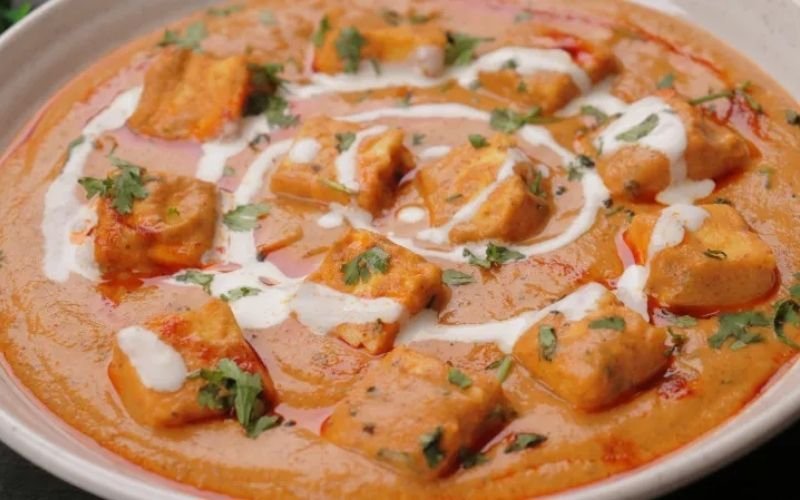
Soft cubes of paneer (Indian cottage cheese) cooked in a creamy tomato gravy. Rich, flavorful, and ideal for festive occasions.
4. Vegetable Stir Fry
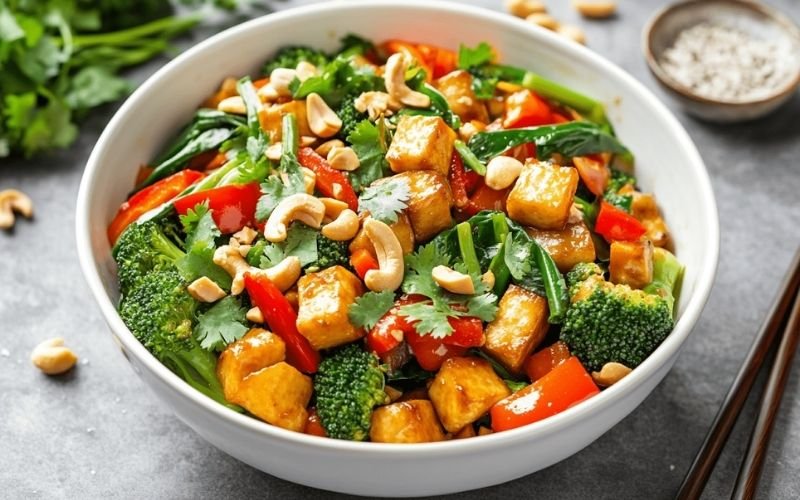
A quick, colorful dish made with bell peppers, broccoli, carrots, and tofu tossed in soy sauce and sesame oil. Great for a healthy weeknight dinner.
5. Lentil Soup

A comforting bowl of red or yellow lentils simmered with garlic, onions, and herbs. It’s packed with protein and perfect for cold evenings.
6. Greek Salad
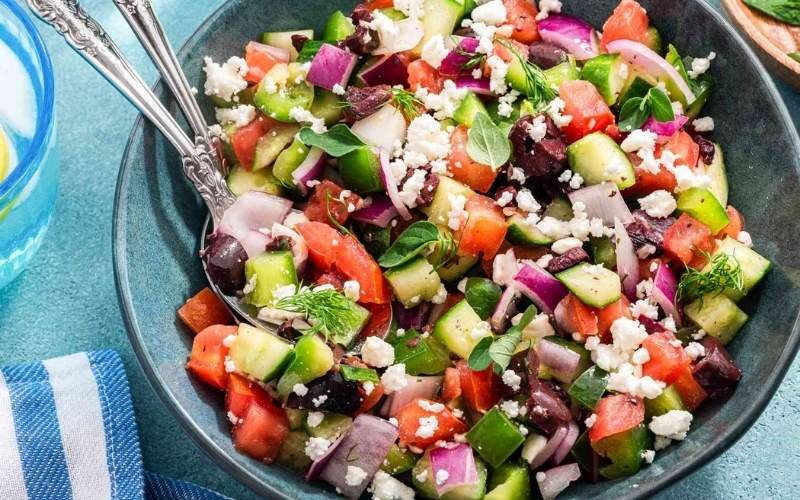
A light and refreshing salad made with cucumbers, tomatoes, olives, and feta cheese, dressed with olive oil and lemon juice.
7. Vegetarian Pasta Primavera

Pasta tossed with seasonal vegetables, olive oil, and parmesan cheese. A classic Italian dish loved by everyone.
8. Veggie Burger

A patty made from lentils, beans, or mushrooms, served in a burger bun with lettuce, tomato, and sauces. It’s a healthy alternative to fast food.
Tips for Cooking Perfect Vegetarian Meals
Here are some quick tips to make your vegetarian dishes more flavorful and nutritious:
- Use Spices Wisely: Spices like cumin, turmeric, paprika, and coriander can elevate the taste of simple vegetables.
- Add Protein Sources: Include lentils, beans, tofu, or paneer to keep meals balanced and filling.
- Experiment with Grains: Try quinoa, millet, or brown rice instead of white rice for extra nutrition.
- Cook Seasonal Vegetables: Fresh, local produce always enhances flavor and texture.
- Use Healthy Oils: Olive oil, avocado oil, and coconut oil add both taste and good fats.
Global Vegetarian Dishes You’ll Love
Vegetarian cuisine is popular worldwide, and every region adds its own twist:
- India: Dal Tadka, Palak Paneer, and Masala Dosa.
- Italy: Caprese Salad, Margherita Pizza, and Risotto.
- Mexico: Veggie Tacos, Guacamole, and Bean Burritos.
- Middle East: Falafel, Hummus, and Tabbouleh.
- Thailand: Vegetable Pad Thai and Green Curry.
This variety shows how plant-based meals can be both culturally rich and universally loved.
Conclusion
Vegetarian recipes are not just healthy—they’re full of flavor, variety, and creativity. Whether you’re exploring new cuisines or making traditional dishes, vegetarian meals can satisfy every craving. From quick snacks to elaborate dinners, these recipes are perfect for anyone who values health, taste, and sustainability.
So, next time you cook, try adding more greens, grains, and legumes to your plate your body and the planet will thank you!
Frequently Asked Questions (FAQs)
Q1: Are vegetarian recipes suitable for weight loss?
Yes! Vegetarian meals are often low in calories and high in fiber, which helps control appetite and promote weight loss.
Q2: Can vegetarian food provide enough protein?
Absolutely. Lentils, beans, tofu, paneer, nuts, and seeds are excellent sources of plant-based protein.
Q3: Is vegetarian food expensive?
Not at all. Most vegetarian ingredients like rice, vegetables, and lentils are budget-friendly and easily available.
Q4: Are vegetarian recipes suitable for kids?
Yes, vegetarian recipes can be both nutritious and tasty for children, especially when combined with dairy, grains, and fruits.