Food is far more than a biological necessity; it is a complex tapestry woven from history, geography, and emotion. Whether it is the sizzle of a street-side taco or the intricate folds of a handmade dumpling, our favorite foods tell the story of who we are.
In this exhaustive guide, we explore the most beloved dishes across the globe. We will dive deep into their cultural origins, analyze their nutritional profiles, and understand the psychology behind why we call them “favorites.” From the bustling night markets of Asia to the cozy kitchens of the Mediterranean, let’s take a delicious tour of the world’s most treasured flavors.
Quick Reference: The World’s Top Food Categories
| Cuisine Category | Key Philosophy | Signature Dish | Health Rating |
| Italian | Freshness & Simplicity | Pizza/Pasta | Medium (High Carb) |
| Chinese | Balance (Yin/Yang) | Dim Sum/Chow Mein | Balanced |
| Japanese | Precision & Umami | Sushi/Ramen | High (Lean Protein) |
| Hispanic | Boldness & Tradition | Tacos/Tamales | Medium (High Flavor) |
| Middle Eastern | Spice & Hospitality | Kabsa/Hummus | High (Fiber Rich) |
1. The Psychology of “Favorite Foods”

Before we dive into the dishes, we must ask: Why do we have favorites? Science suggests that our preferences are formed early in childhood. Comfort foods often trigger the release of dopamine in the brain, linking a specific taste to a feeling of safety or celebration. This is why “Fall Favorites” like Pumpkin Pie feel so rewarding they are tied to memories of family and warmth. Furthermore, our taste buds evolve every seven years, explaining why you might suddenly love a healthy favorite like grilled salmon even if you disliked fish as a child.
2. Global Hall of Fame: Popular Favorites Everywhere
Certain foods have broken through national borders to become truly “global.” These are the dishes you can find in almost any city on Earth.
Pizza: The Canvas of Customization
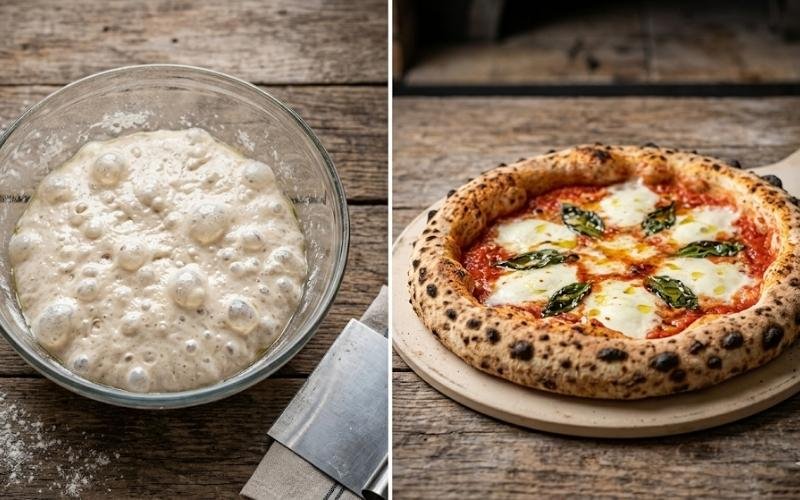
Originating from Naples, Italy, pizza was originally a simple flatbread for the working class. Today, it has evolved into an industry valued in the billions.
- The Secret to High Value: It isn’t just about the cheese; it’s about the fermentation of the dough. A 48-hour cold-fermented dough breaks down gluten, making it easier to digest and adding a complex, nutty flavor.
- Global Variations: From the “Margherita” of Italy to the “Deep Dish” of Chicago and the spice-heavy “Tandoori Pizza” of South Asia, pizza’s success lies in its ability to adapt.
Pasta: The Art of the Shape
Pasta isn’t just one food; it’s hundreds. In Italy, there are over 350 different shapes, and each serves a functional purpose.
- Texture Matters: Ridged pastas like Penne Rigate are designed to “catch” thick sauces, while long, thin strands like Spaghetti are perfect for light oil-based coatings.
- Nutrition Tip: Opting for Al Dente (firm to the bite) pasta has a lower Glycemic Index (GI), meaning it keeps you full for longer compared to overcooked, mushy pasta.
The Modern Burger: A Plant-Based Evolution
The classic beef burger is a staple of fast-paced life, but the “High-Value” burger of 2026 is shifting. We are seeing a massive rise in Gourmet Wagyu Burgers and Plant-Based Alternatives that mimic the texture of meat using pea protein and beet juice.
3. The Eight Traditions of Chinese Cuisine
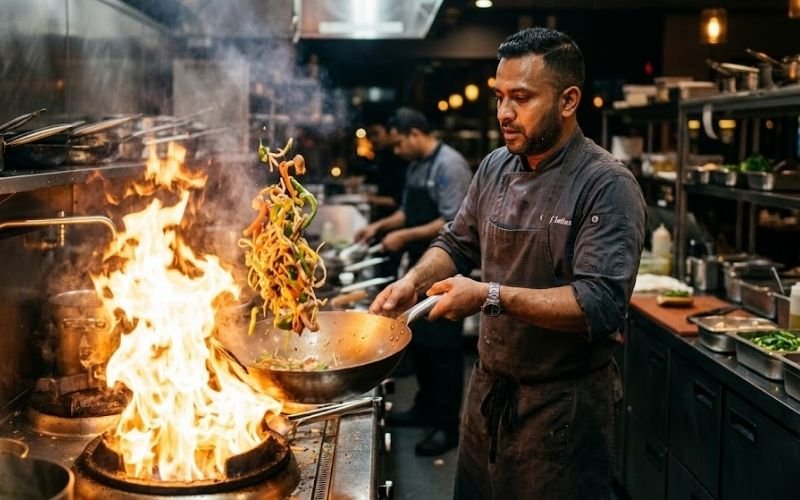
When we talk about “Chinese favorite foods,” we are often only scratching the surface. Chinese cuisine is actually divided into Eight Great Traditions, each with its own flavor profile.
Cantonese (Yue): The Focus on Freshness
This is the style most people know globally. It focuses on steaming and stir-frying to preserve the natural flavor of the ingredients.
- Dim Sum: These “touch the heart” bite-sized parcels are a favorite for weekend brunches.
- The “Wok Hei” Factor: High-value stir-fries possess “Wok Hei” (Breath of the Wok). This is a smoky aroma created by the caramelization of sugars when food is tossed over extreme heat.
Sichuan (Chuan): The Bold and the Spicy
For those who love heat, Sichuan is the gold standard. It uses the “Sichuan Peppercorn,” which creates a unique numbing sensation known as Mala.
- Kung Pao Chicken: A perfect balance of spicy, sweet, and salty.
- Mapo Tofu: A comfort dish that combines soft silken tofu with a fiery bean-based sauce.
4. Hispanic Cuisine: Soul, Spice, and Heritage
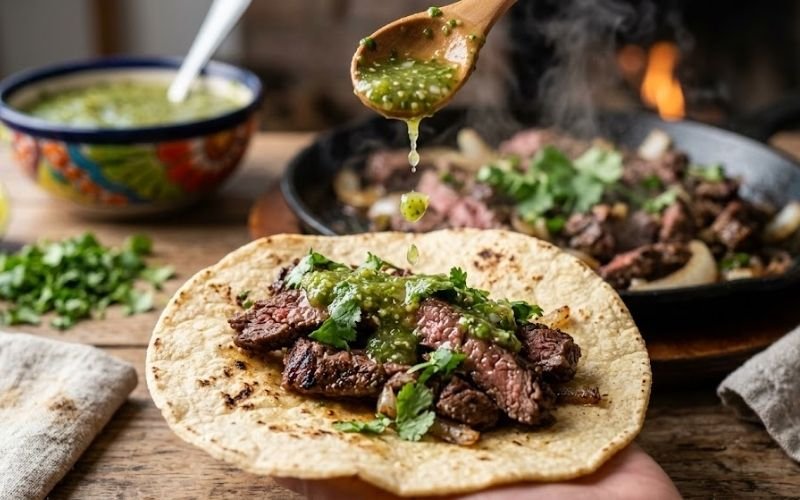
Hispanic food is deeply rooted in the concept of Masa (corn dough), which dates back to the Aztecs and Mayans.
The Anatomy of a Perfect Taco
A taco is more than just meat in a shell. To make it a “High-Value” meal, one must focus on the trinity:
- The Tortilla: Freshly nixtamalized corn tortillas have a distinct earthy aroma and superior nutrition.
- The Filling: Whether it’s Al Pastor (pineapple-marinated pork) or Carne Asada, the meat must be seared for maximum flavor.
- The Salsa: Authentic Hispanic food uses salsa as a tool for acidity. Salsa Verde (tomatillo-based) adds a zesty punch that cuts through the fat of the meat.
Tamales: The Labor of Love
Tamales are a favorite because they represent community. Because they are time-consuming to make, they are usually prepared during “Tamaladas” where entire families gather to wrap meat and masa in corn husks.
5. Japanese Precision: The Pursuit of Umami
Japanese cuisine is admired for its “Less is More” philosophy. It revolves around the concept of Umami (the fifth taste), which provides a savory, “moreish” quality to food.
The Ramen Revolution
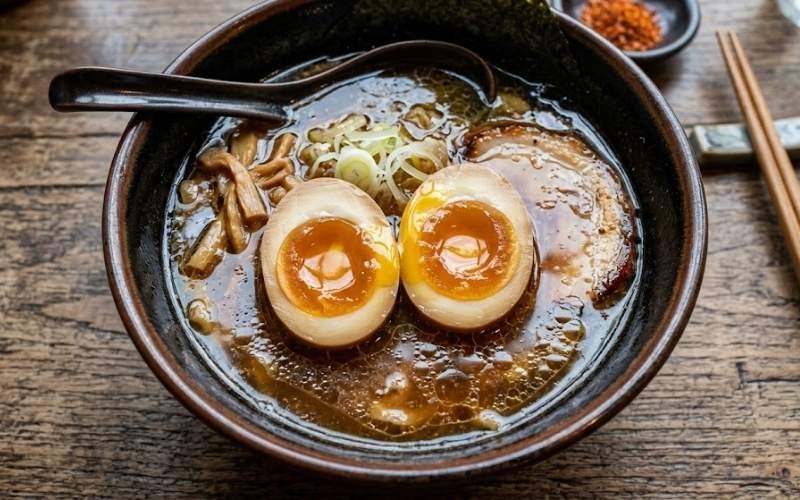
Ramen is no longer just “instant noodles.” It is a complex science involving four main components:
- The Broth: Tonkotsu (pork bone) broth can take up to 20 hours to boil, extracting every bit of collagen and flavor.
- The Tare: The seasoning base (Shio, Shoyu, or Miso) that defines the saltiness.
- The Noodles: Alkaline water is used to give the noodles their signature yellow hue and “snap.”
- The Toppings: The Ajitsuke Tamago (marinated soft-boiled egg) is often the test of a true Ramen master.
Sushi and Sashimi
Sushi represents the pinnacle of ingredient quality. High-value sushi isn’t about the fish alone; it’s about the Shari (vinegared rice). The rice must be at body temperature to contrast with the cool, fresh fish.
6. Healthy Favorites: Science on a Plate
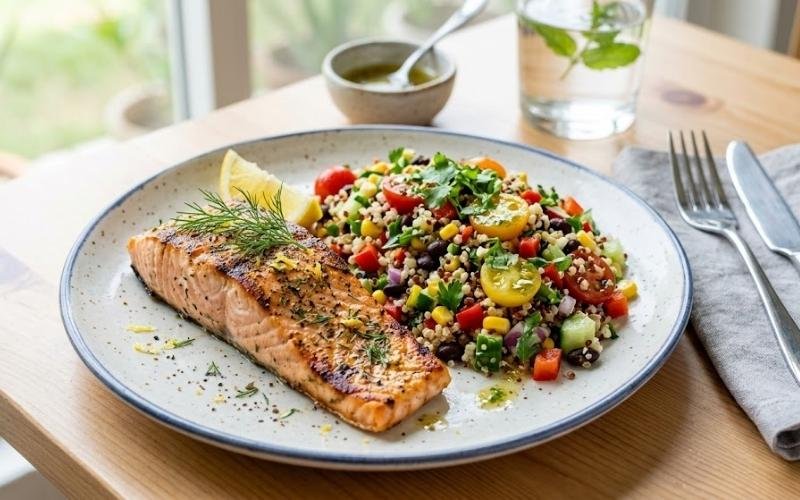
The modern foodie is health-conscious. We no longer want “diet food”; we want “functional food.”
Grilled Salmon: The Omega-3 Powerhouse
Salmon is a global favorite because it is “Bioavailable.” This means the body can easily absorb its high-quality protein and Omega-3 fatty acids, which are essential for brain health and reducing inflammation.
Quinoa: The Ancient Grain
Unlike rice or wheat, Quinoa is a Complete Protein, containing all nine essential amino acids.
- Pro Tip: Always rinse your quinoa before cooking to remove “saponins,” which can give the grain a bitter taste.
Avocado Toast: Why the Hype is Real
Despite being a “trendy” food, Avocado toast is nutritionally dense. It provides healthy monounsaturated fats that keep the heart healthy and keep you feeling full for hours.
7. Jewish Traditions: Bread, Soup, and Connection
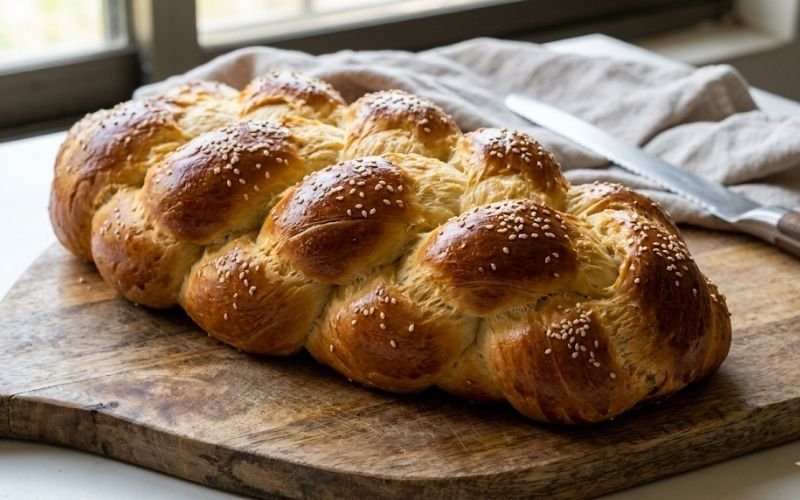
Jewish food is heavily tied to religious cycles and the “Diaspora,” meaning it has influences from Eastern Europe, the Middle East, and beyond.
Challah: More Than Just Bread
This braided, egg-rich bread is a staple of the Sabbath. The braids are not just decorative; they symbolize the intertwining of truth, peace, and justice.
Matzo Ball Soup: “Jewish Penicillin”
This comforting dish is scientifically backed. Warm chicken broth provides hydration and cysteine (an amino acid), which helps thin mucus in the lungs, making it a genuine remedy for the common cold.
8. Fall Favorites: The Biology of Seasonal Cravings
As the days get shorter, our bodies naturally crave higher-calorie, nutrient-dense foods to prepare for the cold.
- Pumpkin and Squash: These are packed with Beta-carotene, which the body converts to Vitamin A to boost the immune system.
- Apples and Cinnamon: Cinnamon is a powerful antioxidant that helps regulate blood sugar, making it the perfect partner for sweet autumn treats like Apple Crisp.
9. Practical Takeaways for the Home Cook
How do you turn these global favorites into high-value meals at home?
- Invest in Aromatics: Garlic, Ginger, and Onions are the base of almost every favorite food on this list. Sautéing them slowly is the first step to depth of flavor.
- Acid is Your Friend: If a dish tastes “flat,” don’t add salt. Add a hint of lemon juice or a dash of vinegar.
- Respect the Ingredients: Buy seasonal produce. A tomato in August is a “high-value” ingredient; a tomato in January is often just red water.
Conclusion: The Joy of Exploration
The best favorite foods are those that remind us of our humanity. Whether you are eating a simple bowl of Ramen in a Tokyo alley or sharing a massive plate of Tacos with friends in Mexico City, food is the bridge that connects us. By understanding the history, nutrition, and techniques behind these dishes, you can appreciate every bite on a much deeper level.
Next time you sit down for a meal, ask yourself: What story does this food tell?
Frequently Asked Questions (FAQs)
Q1: What is the single most eaten food in the world?
Rice is the primary staple for more than half of the world’s population, particularly in Asia and Africa.
Q2: Is Japanese food really the healthiest?
Statistically, yes. Japan has one of the highest life expectancy rates, largely due to a diet high in fermented foods (miso, natto), fresh fish, and small portion sizes.
Q3: How can I make “Popular Favorites” like Pizza healthier?
Focus on the toppings. Use plenty of vegetables, lean proteins like chicken, and avoid “stuffed crusts” or excessive processed meats like pepperoni.
Q4: Why do we crave spicy food like Sichuan or Hispanic dishes?
Capsaicin (the heat in peppers) triggers the release of endorphins the body’s natural “feel-good” chemicals. This creates a mild “rush” that many people find addictive.
