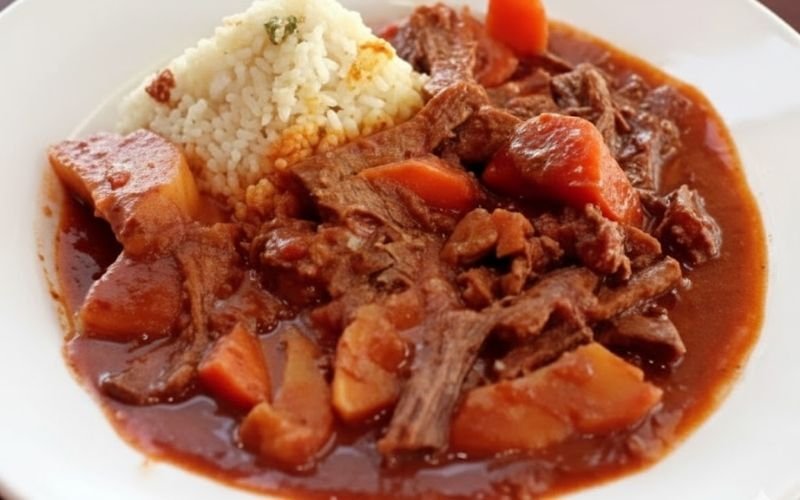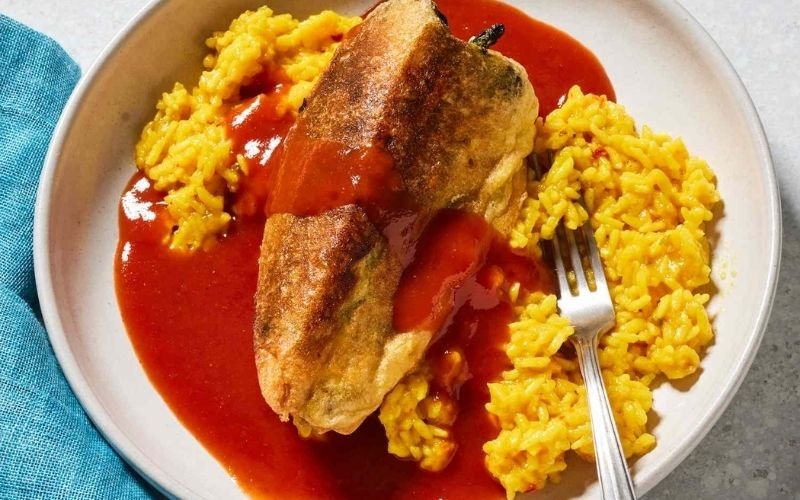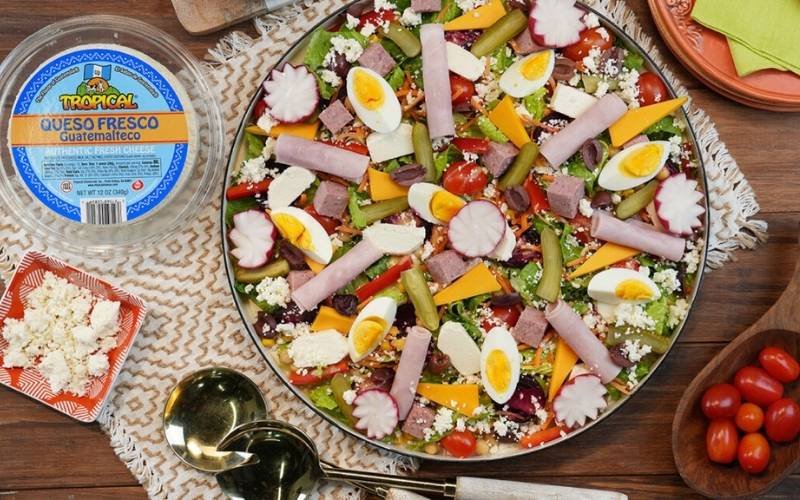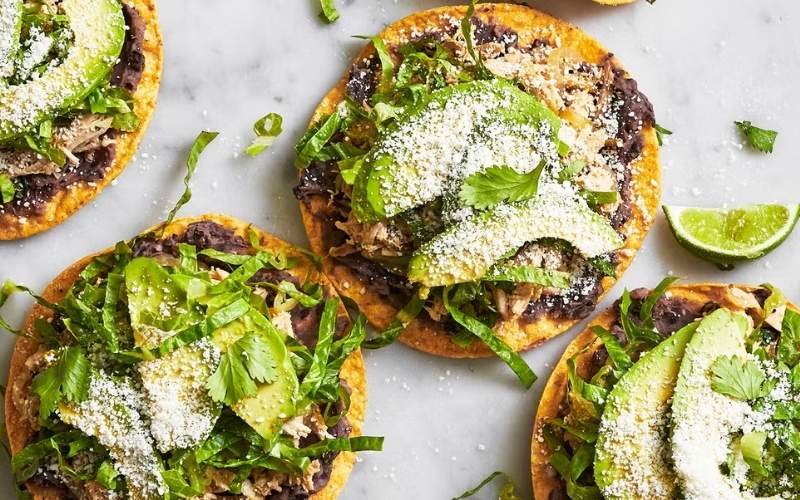
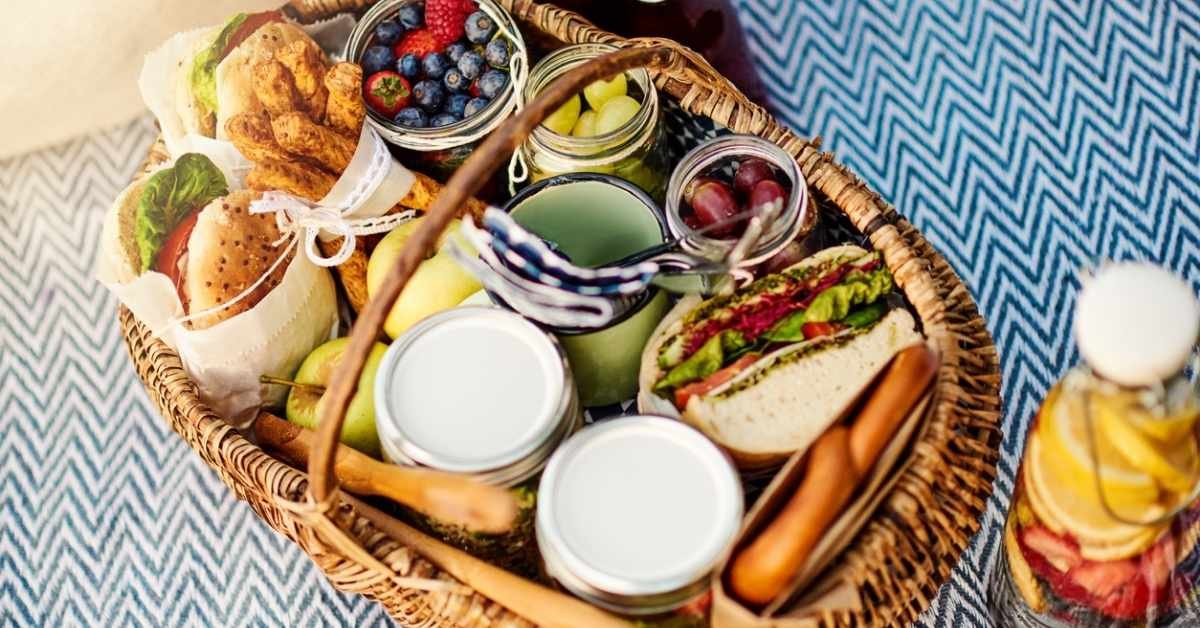
Planning a picnic is more than just picking a nice spot and enjoying the outdoors. The heart of any picnic is undoubtedly the food. Choosing the best foods for a picnic ensures your day is delicious, refreshing, and hassle-free. Whether you’re heading to a park, beach, or countryside, packing the right dishes can make your outing unforgettable. From quick picnic snacks to hearty mains and sweet treats, having a variety of options keeps everyone happy and satisfied.
In this guide, we’ve broken down all the picnic essentials into easy-to-follow categories: salads, mains, sides, desserts, and kid-friendly treats. Each recipe is simple, flavorful, and perfect for enjoying outdoors.
Tip: When packing, use airtight containers, keep cold foods chilled, and bring eco-friendly utensils to make your picnic both tasty and sustainable.
Best Salads for a Picnic
Salads are the ultimate quick picnic snacks fresh, flavorful, and easy to transport. A well-prepared salad can be a light starter or a hearty side that complements your mains. Here’s a selection of the best salads for a picnic that are simple to make and loved by everyone.
Corn and Tomato Salad
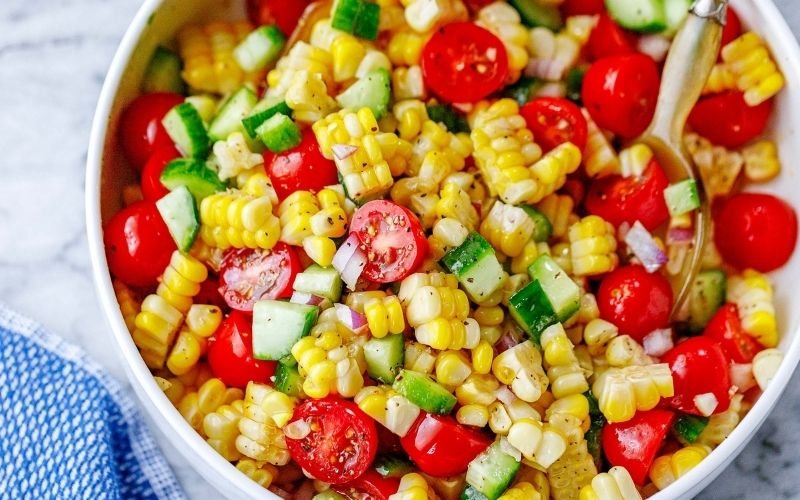
Bright, juicy, and colorful, this salad is a picnic classic.
Ingredients: Corn kernels, cherry tomatoes, red onion, fresh basil, olive oil, lemon juice, salt, and pepper.
Tips: Use grilled corn for a smoky flavor or keep it raw for extra crunch. This salad stays fresh for hours when chilled.
Five-Minute Bean Salad
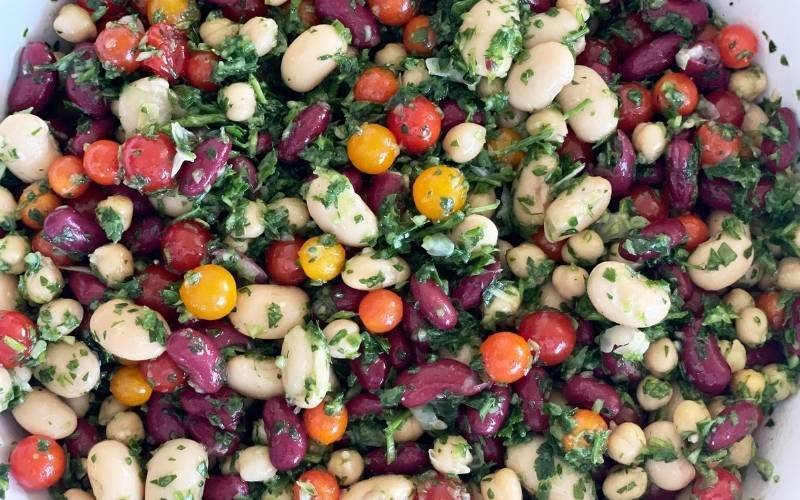
A protein-packed option that’s ready in minutes.
Ingredients: Canned beans (chickpeas, kidney beans, black beans), diced bell peppers, red onion, parsley, olive oil, and vinegar.
Why it works: Beans are filling, nutritious, and travel well perfect for outdoor meals.
Caesar Pasta Salad
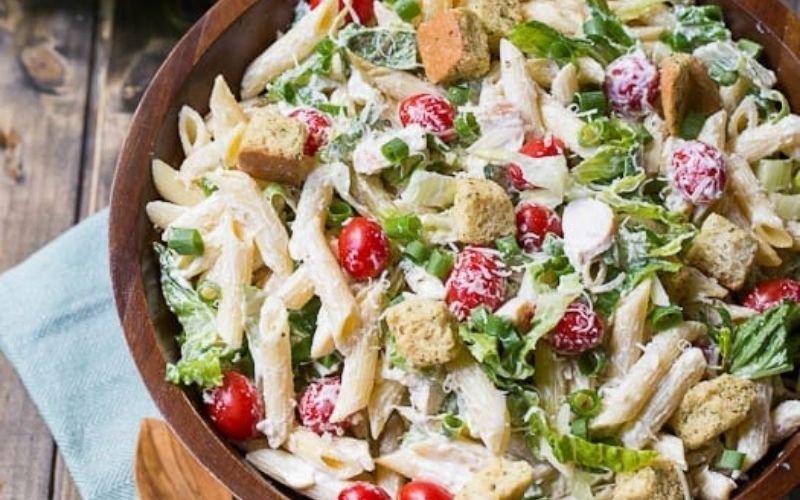
A twist on the classic Caesar, perfect for picnics.
Ingredients: Cooked pasta, romaine lettuce, grated Parmesan, croutons, Caesar dressing, and grilled chicken (optional).
Tip: Keep croutons separate until serving to maintain crunchiness.
Chilled Cucumber Salad
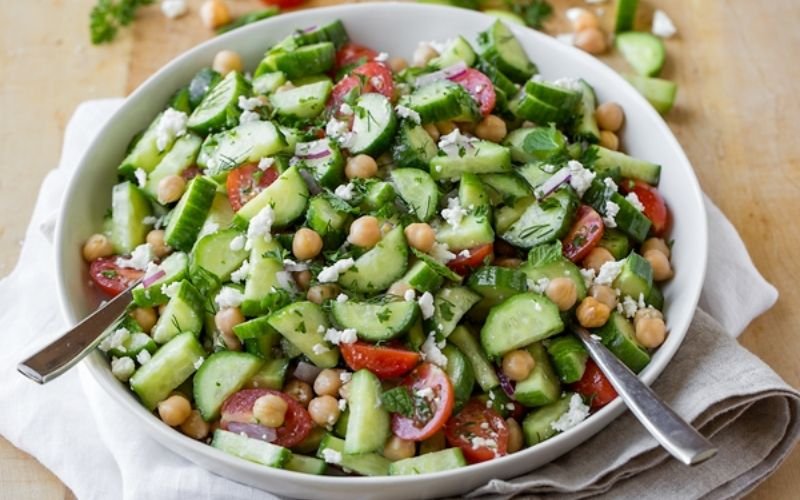
Refreshing, crisp, and hydrating.
Ingredients: Sliced cucumbers, red onion, dill, Greek yogurt, lemon juice, salt, and pepper.
Perfect for: Hot summer picnics, as it’s light and cooling.
Melon Salad
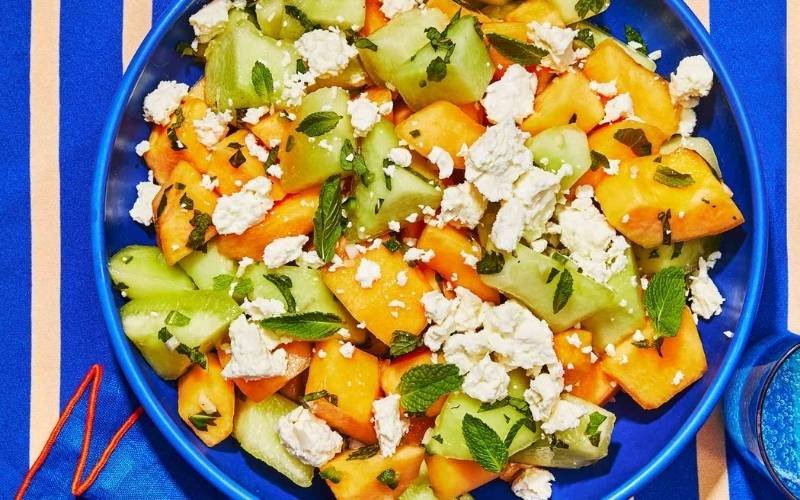
Sweet and tangy, a perfect balance for a picnic spread.
Ingredients: Watermelon, cantaloupe, honeydew, mint leaves, lime juice, and a drizzle of honey.
Bonus tip: Serve in a clear container to show off the vibrant colors it’s Instagram-ready!
BLT Pasta Salad
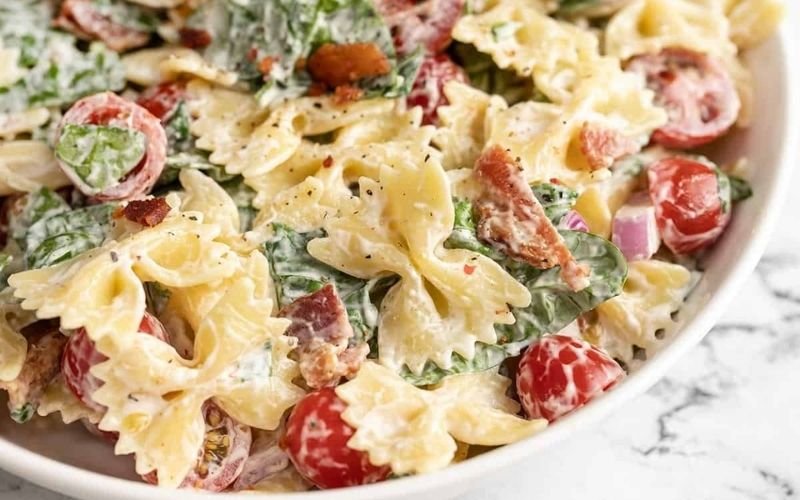
All the flavors of a classic BLT in a pasta dish.
Ingredients: Cooked pasta, crispy bacon bits, cherry tomatoes, romaine, mayonnaise, and a hint of garlic.
Why it’s great: It’s hearty, flavorful, and a definite crowd-pleaser.
Veggie Niçoise Salad
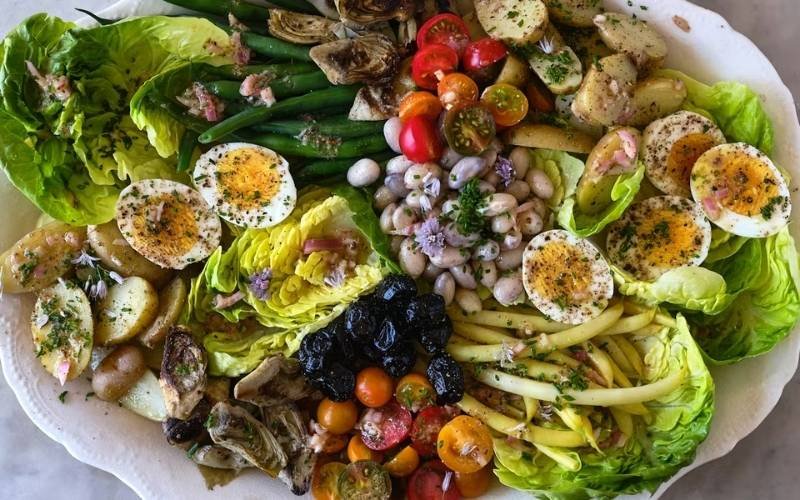
A protein-rich, colorful, and satisfying salad.
Ingredients: Boiled eggs, green beans, cherry tomatoes, olives, potatoes, and vinaigrette.
Tip: Pack the dressing separately to prevent soggy vegetables.
Pro Tips for Picnic Salads:
- Use airtight containers to prevent spills.
- Chop ingredients into bite-sized pieces for easy serving.
- Include a mix of textures crunchy, creamy, and juicy for a balanced bite.
These salads are not only visually appealing but also keep well outdoors, making them an essential part of any picnic menu.
Best Mains at a Picnic
The main course at a picnic should be hearty, portable, and easy to eat outdoors. From sandwiches to noodles and wraps, these best foods for a picnic mains are designed to satisfy hunger without fuss. Whether you prefer meaty, vegetarian, or fusion flavors, there’s something for everyone.
Cuban Sliders
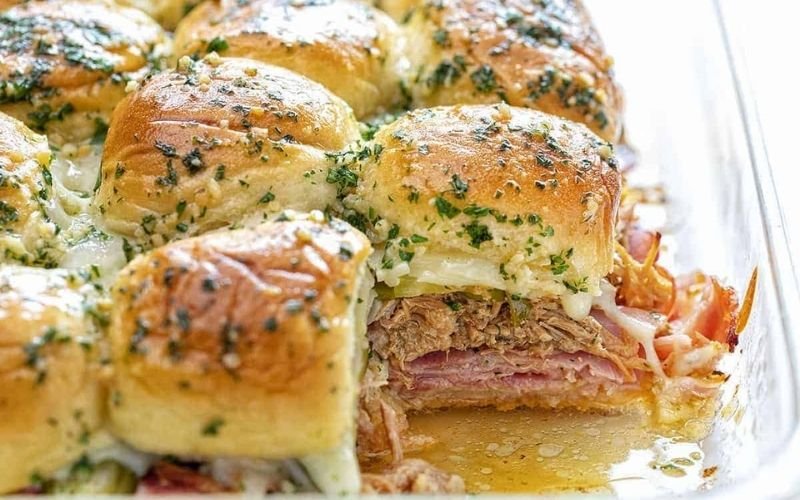
Mini sandwiches packed with flavor.
Ingredients: Mini rolls, roasted pork, ham, Swiss cheese, pickles, and mustard.
Tip: Wrap each slider individually for easy transport and grab-and-go enjoyment.
Chicken Pesto Focaccia Sandwiches
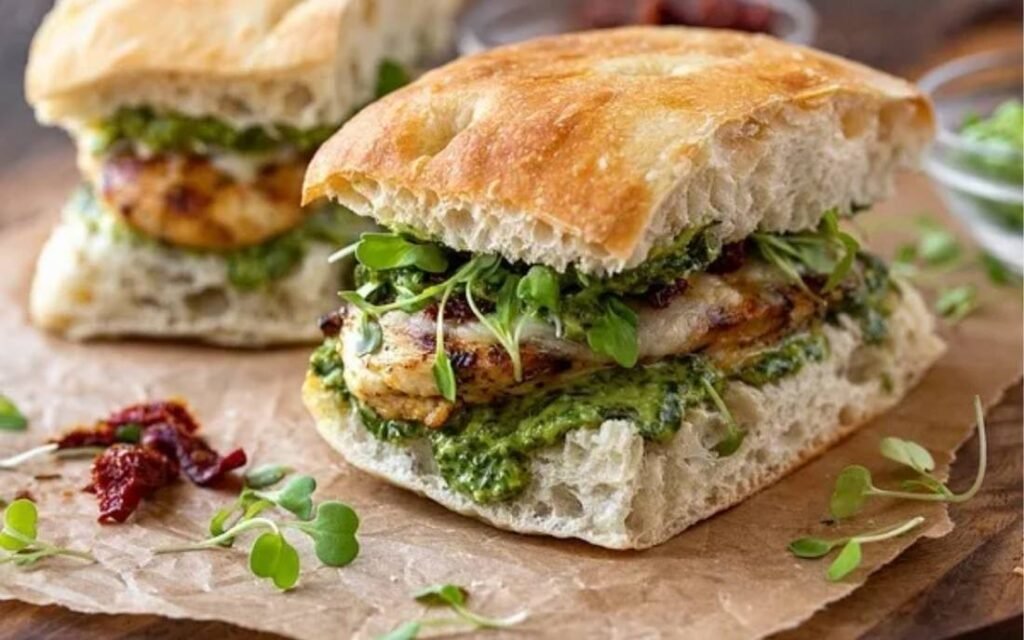
Soft focaccia paired with aromatic pesto and tender chicken.
Ingredients: Focaccia bread, grilled chicken slices, basil pesto, mozzarella, and arugula.
Why it works: It’s flavorful, filling, and doesn’t get soggy quickly.
Italian Deli Pinwheel Sandwiches
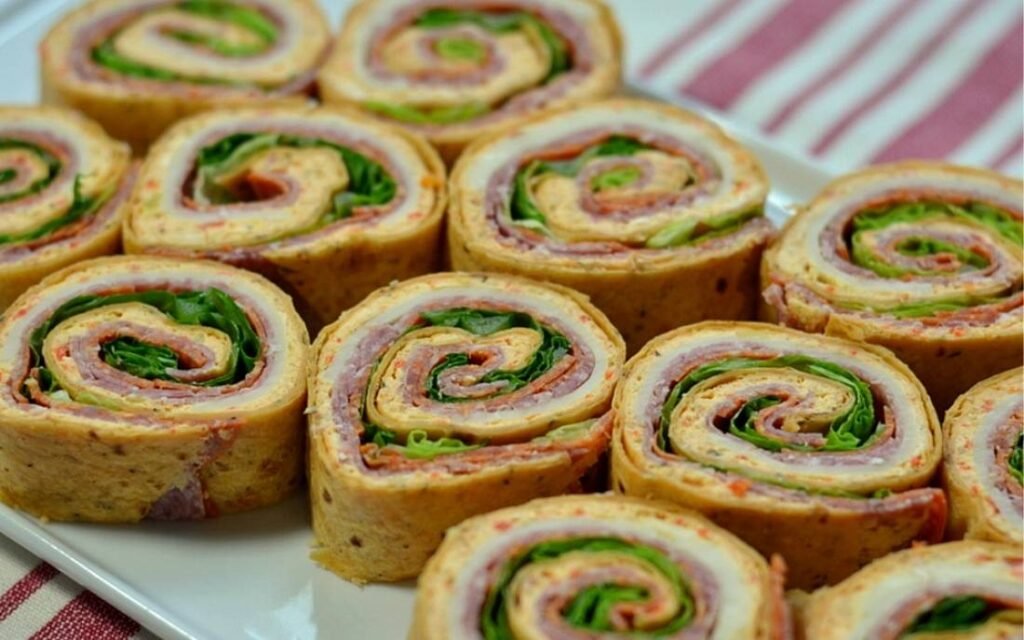
Colorful, bite-sized, and fun to eat.
Ingredients: Tortilla wraps, deli meats (salami, ham, turkey), cream cheese, spinach, and roasted peppers.
Tip: Slice into pinwheels for easy sharing and presentation.
Avocado Egg Salad Sandwich
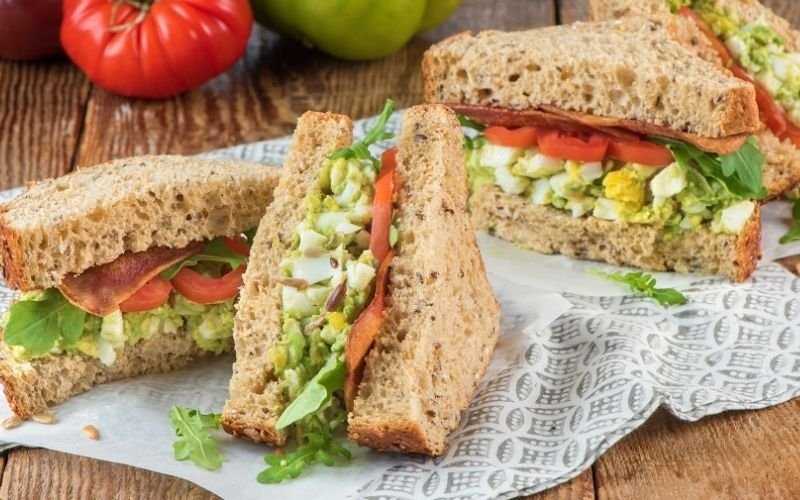
Creamy, protein-rich, and full of healthy fats.
Ingredients: Boiled eggs, mashed avocado, mayonnaise, mustard, salt, pepper, and whole-grain bread.
Pro Tip: Keep avocado mashed just before assembly to avoid browning.
Green Goddess Wraps
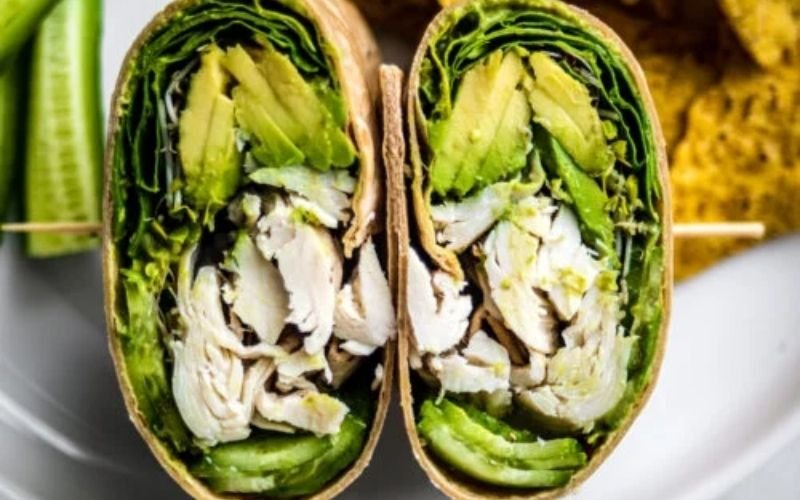
Fresh, vibrant, and vegetarian-friendly.
Ingredients: Tortilla wraps, mixed greens, cucumber, bell peppers, shredded carrots, avocado, and Green Goddess dressing.
Why it’s perfect: Easy to assemble and packed with nutrients.
Cold Sesame Noodles
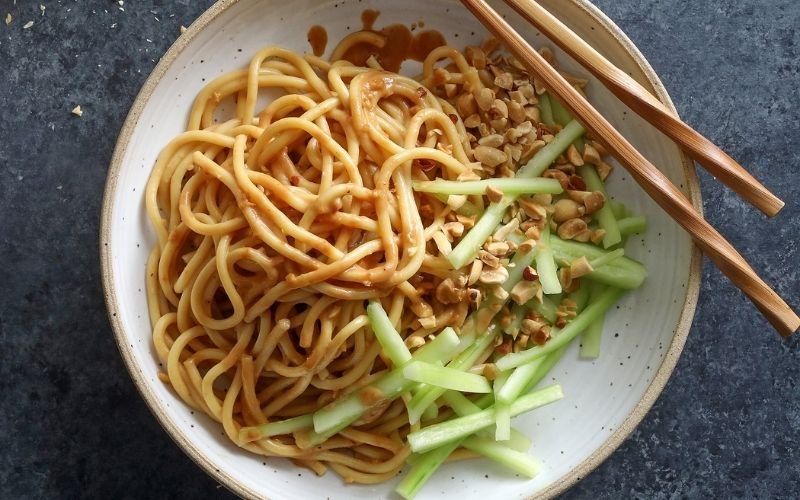
A fusion favorite that’s flavorful and refreshing.
Ingredients: Cooked noodles, sesame oil, soy sauce, rice vinegar, garlic, ginger, and scallions.
Tip: Add shredded chicken or tofu for extra protein.
Spring Roll Bowls
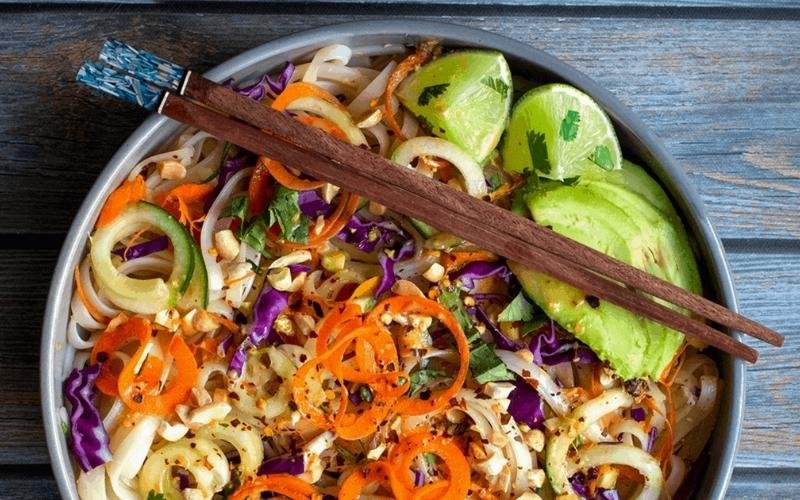
Deconstructed spring rolls in a portable bowl.
Ingredients: Rice noodles, shredded veggies, herbs (mint, cilantro), and peanut dipping sauce.
Why it works: All the taste of spring rolls without worrying about wrapping them perfectly.
Veggie Sushi
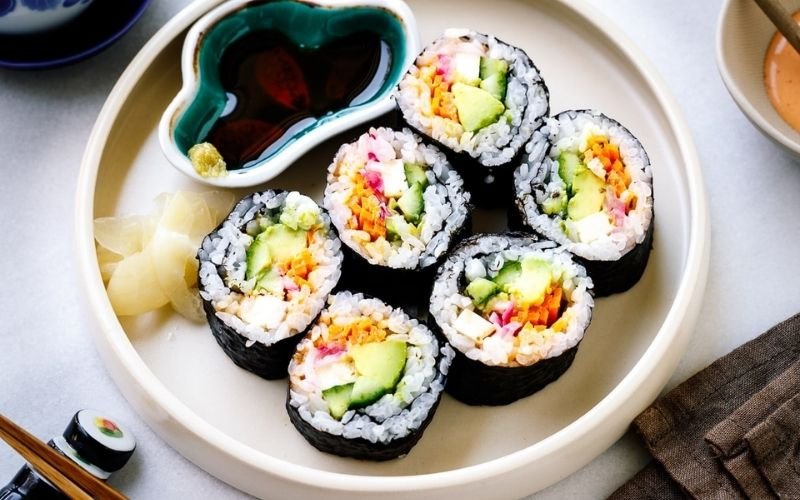
Bite-sized, colorful, and fun to eat.
Ingredients: Sushi rice, nori sheets, cucumber, avocado, carrot, and bell pepper.
Tip: Keep refrigerated until serving and pack with a small container of soy sauce.
Pro Tips for Picnic Mains:
- Use sturdy bread and wraps to prevent sogginess.
- Assemble sandwiches and wraps in advance, then tightly wrap in parchment paper.
- Consider mains that can be eaten cold or at room temperature for convenience.
These mains are designed to be delicious, filling, and easy to enjoy outdoors, making them essential items for any picnic basket.
Best Sides for a Picnic
A picnic isn’t complete without tasty sides to complement your mains. From sweet to savory, these dishes are easy to share, travel well, and elevate your outdoor meal. Here’s a collection of the best foods for a picnic sides that everyone will love.
Classic Banana Bread
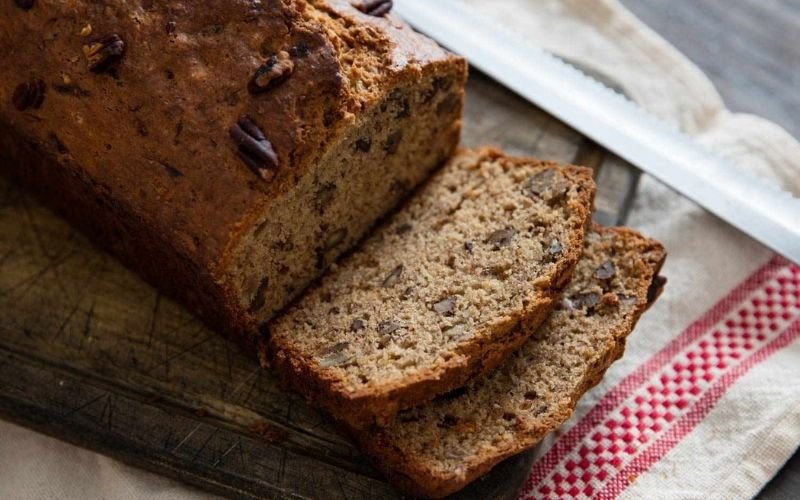
Soft, moist, and naturally sweet.
Ingredients: Overripe bananas, flour, sugar, eggs, melted butter, baking soda, and a dash of salt.
Tip: Slice before packing for easy serving. Banana bread makes an ideal treat for breakfast, a midday snack, or even dessert.
Cast Iron Cornbread
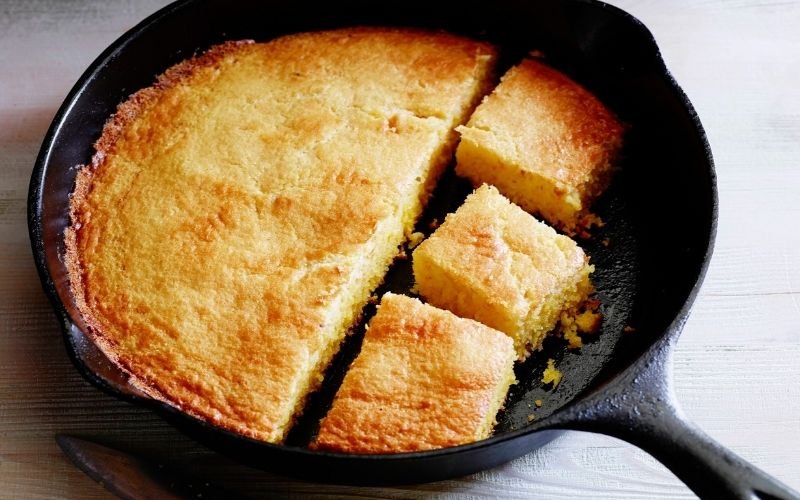
Golden, buttery, and slightly crispy on the edges.
Ingredients: Cornmeal, flour, sugar, baking powder, eggs, milk, and butter.
Why it works: It’s hearty, easy to slice, and pairs perfectly with picnic mains like sandwiches or salads.
Watermelon-Feta Skewers
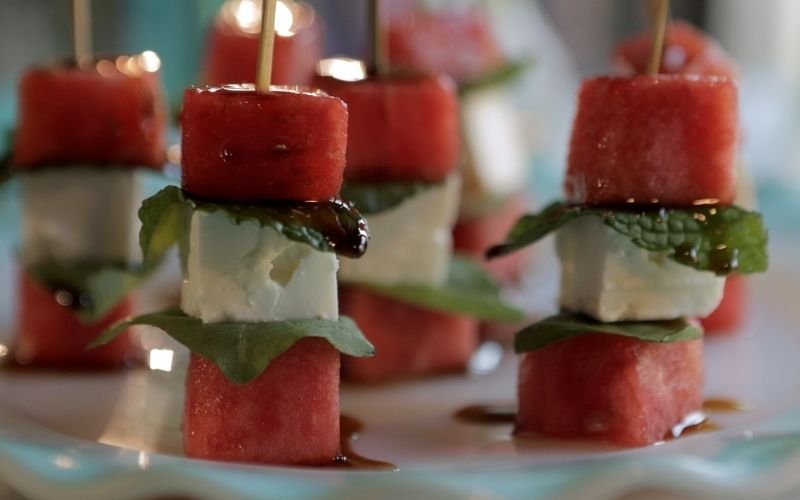
A refreshing and colorful side dish.
Ingredients: Cubes of watermelon, feta cheese, fresh mint, and a drizzle of balsamic glaze.
Tip: Thread onto skewers for an easy-to-eat, mess-free option. Perfect for kids and adults alike.
Buffalo Cauliflower Nuggets
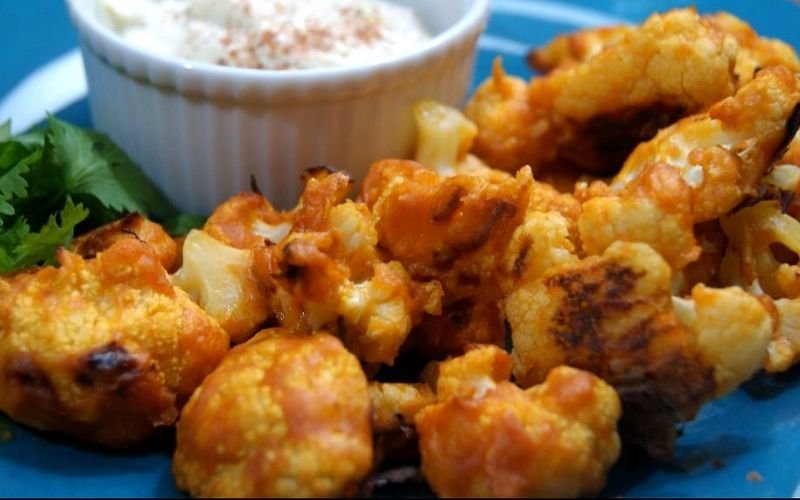
Crispy, spicy, and healthy.
Ingredients: Cauliflower florets, flour, breadcrumbs, buffalo sauce, and a side of ranch or blue cheese dressing.
Why it’s great: A vegetarian-friendly snack that’s packed with flavor and ideal for dipping.
Pro Tips for Picnic Sides:
- Include at least one sweet and one savory option for variety.
- Choose sides that can withstand travel without losing texture.
- Use skewers or small containers for easy serving and portion control.
These sides are perfect companions for your picnic mains, offering both variety and convenience while keeping your outdoor feast exciting and flavorful.
Best Desserts at a Picnic
No picnic is complete without a sweet ending. Desserts add a delightful touch to your outdoor meal, and choosing ones that are easy to pack, serve, and eat ensures everyone leaves happy. Here’s a classic favorite that works every time.
Chocolate Chip Cookies

Soft, chewy, and irresistibly sweet.
Ingredients: All-purpose flour, butter, sugar (brown and white), eggs, vanilla extract, baking soda, and chocolate chips.
Why it’s perfect for picnics: Cookies are portable, mess-free, and loved by both kids and adults. You can bake them a day in advance, and they stay fresh in an airtight container.
Pro Tips for Dessert Success:
- Bake in small batches to maintain freshness.
- Consider adding nuts or dried fruits for a twist.
- Use cookie cutters for fun shapes if you’re serving kids.
Desserts like chocolate chip cookies are not only crowd-pleasers but also easy to pack and enjoy outdoors, making them an essential part of your picnic spread.
Best Food for Kids at a Picnic
Picnics are especially fun for kids, and having kid-friendly foods ensures they’re happy, satisfied, and engaged. The key is to choose items that are colorful, easy to handle, and packed with flavor. Here are some tried-and-true favorites:
Watermelon-Feta Skewers
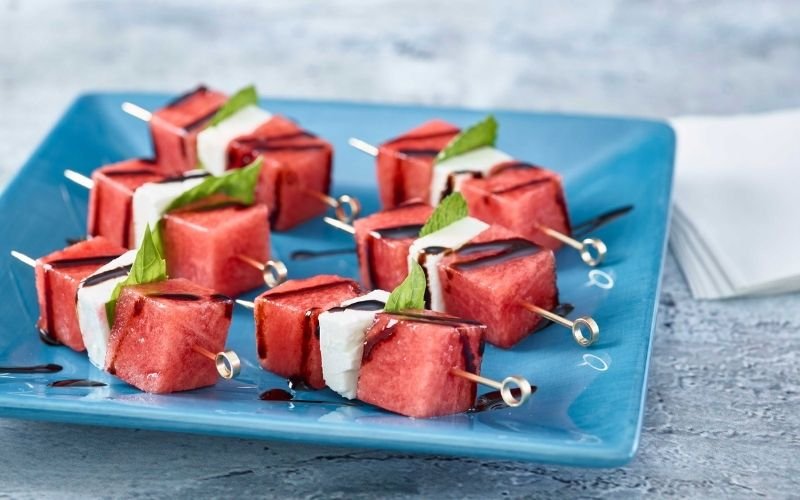
Sweet, juicy, and fun to eat.
Why kids love it: The bright colors of watermelon and feta make these skewers visually appealing, while the bite-sized pieces are perfect for little hands.
Tip: Drizzle lightly with honey or keep them plain for a refreshing, hydrating snack on hot days.
Classic Banana Bread
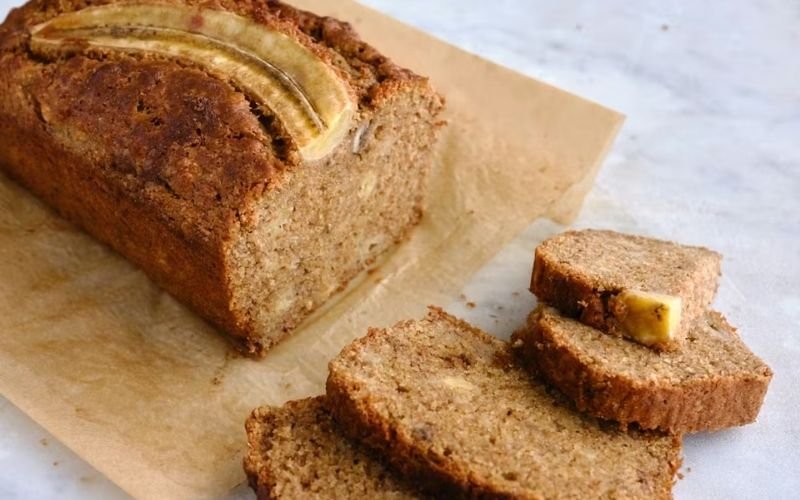
Soft, moist, and naturally sweet.
Why kids love it: The familiar taste and easy-to-hold slices make banana bread a go-to picnic treat.
Tip: Slice in advance and wrap individual pieces for quick grab-and-go servings.
Pro Tips for Packing Kids’ Picnic Foods:
- Opt for finger foods to minimize mess.
- Include colorful fruits and fun shapes to make the meal exciting.
- Keep allergens and dietary preferences in mind for a safe picnic experience.
These kid-friendly options are both nutritious and fun, making them perfect additions to your picnic basket alongside the adult favorites.
Final Thoughts
Planning the perfect picnic is all about balancing flavor, convenience, and presentation. From fresh salads to hearty mains, crunchy sides, indulgent desserts, and kid-friendly treats, having a well-rounded menu ensures everyone enjoys the day to the fullest.
When selecting the best foods for a picnic, remember to:
- Prioritize portability: Choose dishes that travel well and don’t require reheating.
- Mix textures and flavors: Include crunchy, creamy, sweet, and savory items.
- Keep it fresh: Pack fruits and salads in airtight containers with ice packs if needed.
- Engage all ages: Include options that appeal to both kids and adults.
By planning carefully and using the recipes in this guide, your picnic basket will be a feast for the eyes and the taste buds, making every outdoor gathering memorable.
FAQs
Q1: What are the easiest foods to pack for a picnic?
Quick-to-assemble salads, sandwiches, wraps, fruits, and cookies are some of the easiest and most portable options.
Q2: How can I keep picnic foods fresh?
Use airtight containers, ice packs for cold foods, and separate dressings or sauces until serving time.
Q3: Can I make these picnic foods in advance?
Absolutely! Many of the salads, mains, sides, and desserts can be prepared a day ahead to save time on picnic day.
Q4: What are some healthy picnic snack options?
Fresh fruits, vegetable skewers, bean salads, and wraps with plenty of greens are nutritious choices that travel well.
Q5: How do I make picnic foods kid-friendly?
Offer finger foods, colorful fruits, small sandwiches, and fun shapes. Keep flavors simple and portions manageable.