Theforksy
  • Home
  • Blog
  • Recipe
    • Breakfast
    • Main dishes
    • Desserts
    • Side dishes
    • Appetizers
    • Occasions
Theforksy
  • Home
  • Blog
  • Recipe
    • Breakfast
    • Main dishes
    • Desserts
    • Side dishes
    • Appetizers
    • Occasions
Top Posts
The Ultimate Guide to Homemade Pasta: 3 Master...
15 Best Salmon Recipes | Easy, Healthy &...
5 Best Grilled Chicken Recipes | Juicy &...
10 Top Beef Dishes: The Complete Guide to...
Guatemala Food Guide: 10 Traditional Dishes That Define...
Honduran Food: 16 Must-Try Traditional Dishes for Every...
The Ultimate Guide to Swedish Cuisine: 5 Iconic...
The Ultimate Guide to Global Favorite Foods: History,...
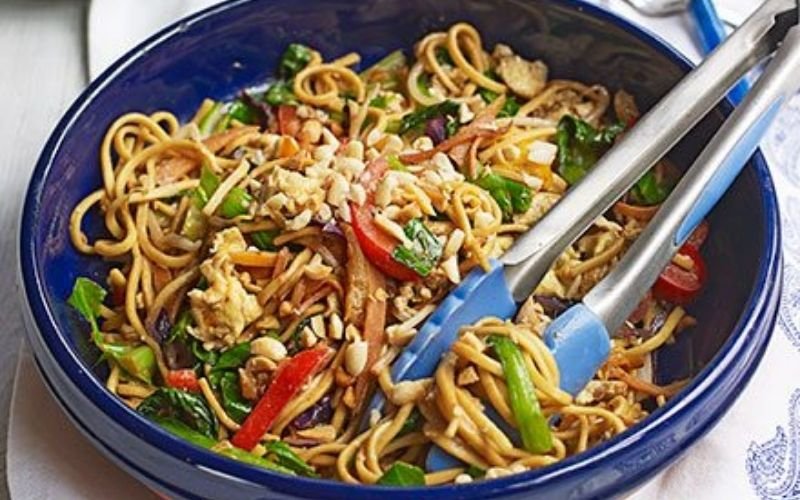
The Best Quick Korean Pad Thai Noodles You’ll...
The Ultimate Guide to Shredded Chicken Recipes
Theforksy
All.recipes
  • Home
  • Blog
  • Recipe
    • Breakfast
    • Main dishes
    • Desserts
    • Side dishes
    • Appetizers
    • Occasions

@2025 – All Right Reserved. Designed and Developed by PenciDesign

beef dishes
Recipes

10 Top Beef Dishes: The Complete Guide to Tender, Flavor-Packed Meals

by Arham Cheema April 21, 2026
written by Arham Cheema

Beef is the cornerstone of culinary excellence. From slow-simmered stews to 15-minute stir-fries, its versatility is unmatched. However, the difference between “chewy” and “melt-in-your-mouth” beef lies in the technique. This guide provides 10 world-class recipes paired with professional secrets to elevate your home cooking.

The Golden Rules of Beef

Before you cook, remember these three essentials:

  • The Cut Matters: Match the meat to the method. Use Chuck or Brisket for slow cooking and Sirloin or Ribeye for fast searing.
  • Pat it Dry: Moisture is the enemy of a good sear. Always dry your beef with paper towels before it hits the pan.
  • Rest Your Meat: Never cut a steak immediately. Allow it to sit for 5–10 minutes so the juices settle evenly, keeping each bite tender and juicy.

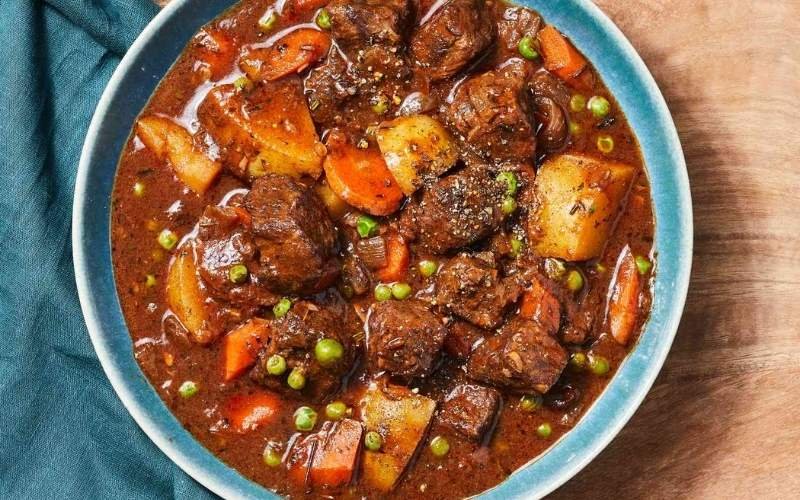
1. Classic Slow-Cooked Beef Stew

classic beef stew

The ultimate comfort food for cold evenings.

  • Prep/Cook: 20m / 2.5h | Serves: 4
  • Ingredients: 500g Beef Chuck (cubed), 2 tbsp oil, 1 onion, 2 carrots, 2 potatoes, 3 cups beef stock, 1 tbsp tomato paste, thyme, and rosemary.
  • Method: Brown the beef cubes in batches to create a deep crust. Sauté vegetables, then stir in tomato paste and stock. Cover and simmer on low heat until the meat is fork-tender.
  • High-Value Tip: Adding a splash of balsamic vinegar at the end cuts through the richness and brightens the flavor.

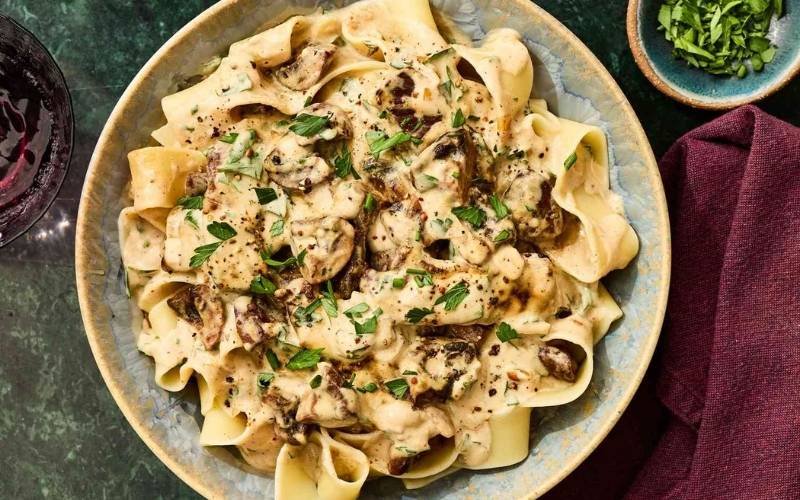
2. Creamy Beef Stroganoff

creamy beef stroganoff

A sophisticated Russian classic ready in minutes.

  • Prep/Cook: 15m / 15m | Serves: 3
  • Ingredients: 400g Sirloin (strips), 1 cup mushrooms, 1/2 cup sour cream, 1 tbsp Dijon mustard, 1 onion, 1/2 cup beef broth.
  • Method: Sear beef quickly over high heat and remove. Sauté mushrooms and onions. Whisk in broth and mustard, then stir in sour cream at low heat. Place the beef back into the pan to heat it all the way through.
  • High-Value Tip: Never boil the sauce once the sour cream is added, or it will curdle.

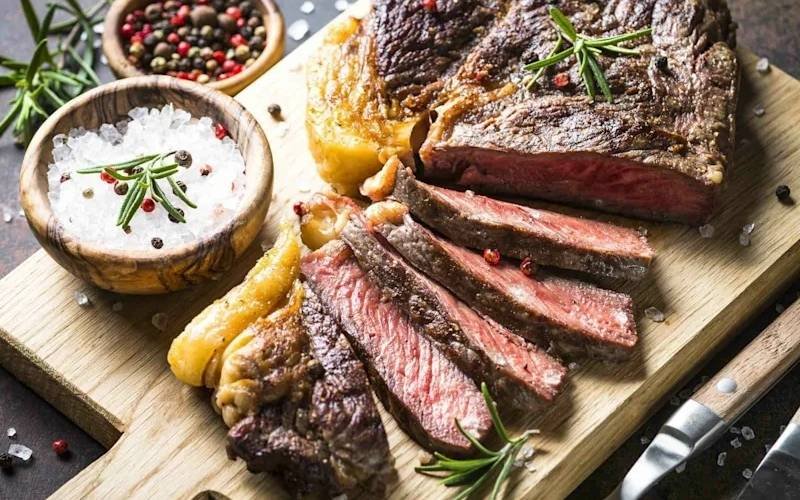
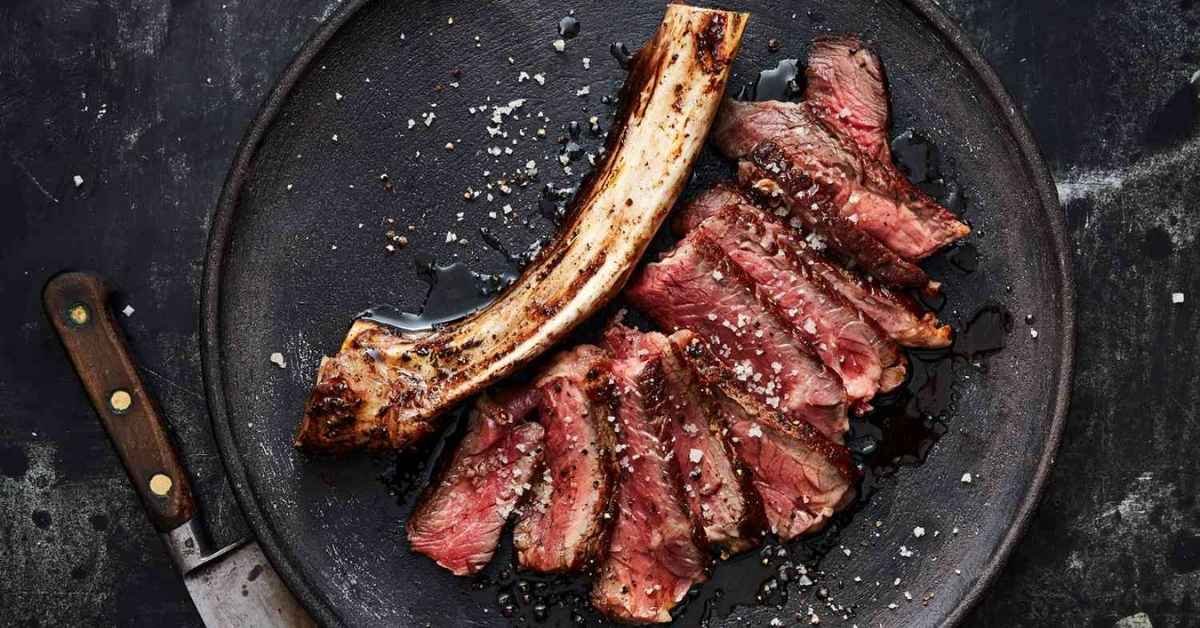
3. Perfect Pan-Seared Ribeye

ribeye steak

Restaurant-quality steak with a garlic-butter finish.

  • Prep/Cook: 10m / 10m | Serves: 2
  • Ingredients: 2 Ribeye steaks, 3 tbsp butter, 4 cloves garlic, fresh rosemary, sea salt, black pepper.
  • Method: Season steaks heavily. Sear in a smoking-hot cast-iron pan for 3–4 minutes per side. During the final 2 minutes, add butter, garlic, and rosemary, then baste the steaks with the melted butter.
  • High-Value Tip: Use a meat thermometer 57°C (135°F) is the sweet spot for a perfect Medium-Rare.

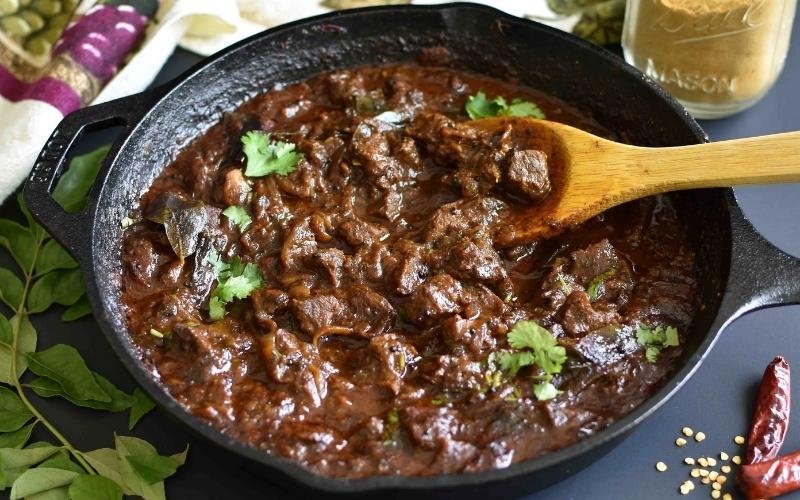
4. Authentic Spicy Beef Curry

beef curry

Aromatic, rich, and slow-cooked to perfection.

  • Prep/Cook: 15m / 1.5h | Serves: 4
  • Ingredients: 500g Beef cubes, 2 onions (pureed), 2 tomatoes, ginger-garlic paste, turmeric, chili powder, cumin, garam masala.
  • Method: Sauté onions until golden brown. Add spices and beef, searing well. Pour in 1 cup of water, cover, and simmer until the oil separates from the gravy and the meat is soft.
  • High-Value Tip: “Bhuna” (frying) the meat with spices for 10 minutes before adding water deepens the color and flavor significantly.

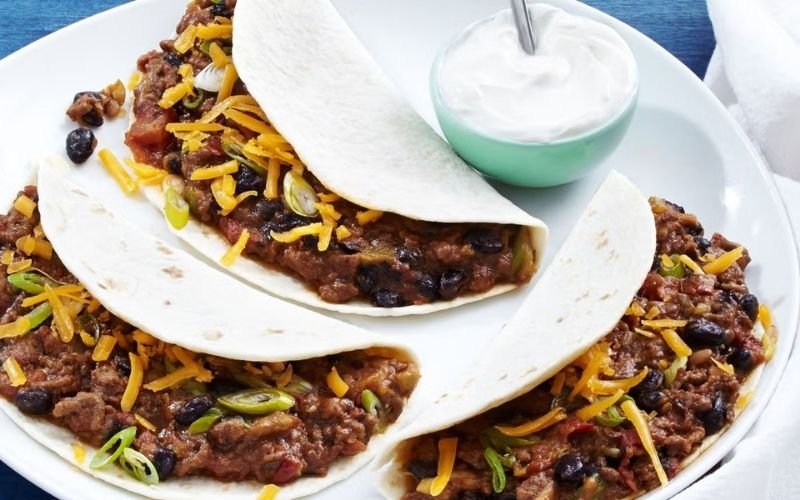
5. Zesty Beef Tacos

zesty tacos

Fresh, vibrant, and a guaranteed crowd-pleaser.

  • Prep/Cook: 15m / 15m | Serves: 4
  • Ingredients: 500g Ground beef, taco seasoning, corn shells, shredded lettuce, cheddar cheese, salsa, and avocado.
  • Method: Sear the beef until browned and remove any extra fat. Stir in the seasoning along with a bit of water. Simmer until thickened. Assemble in shells with fresh toppings.
  • High-Value Tip: Squeeze fresh lime over the cooked beef to balance the heavy spices.

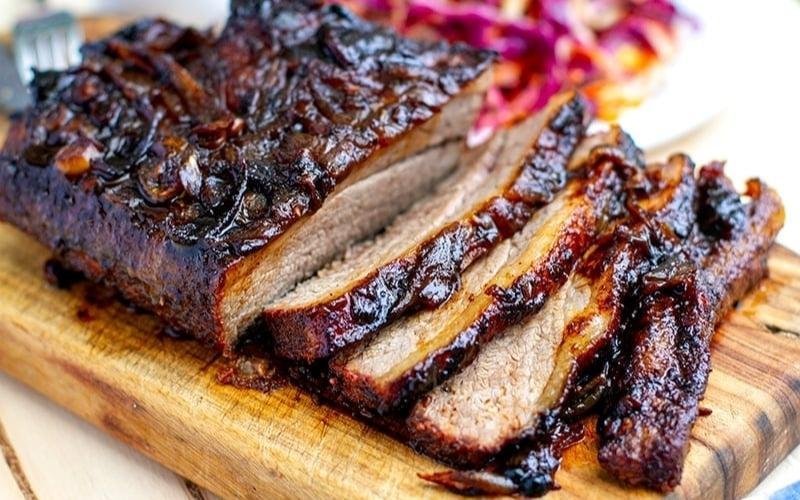
6. Slow-Cooker BBQ Brisket

bbq brisket

Tender, smoky beef that falls apart with a fork.

  • Prep/Cook: 10m / 8h | Serves: 6
  • Ingredients: 1kg Brisket, BBQ rub (paprika, garlic powder, brown sugar), 1/2 cup BBQ sauce.
  • Method: Rub the brisket with spices. Cook in a slow cooker on “Low” setting for 8 hours. Shred the meat and toss it with its own juices and extra BBQ sauce.
  • High-Value Tip: Slicing brisket against the grain is crucial; otherwise, it will feel tough even if it’s well-cooked.

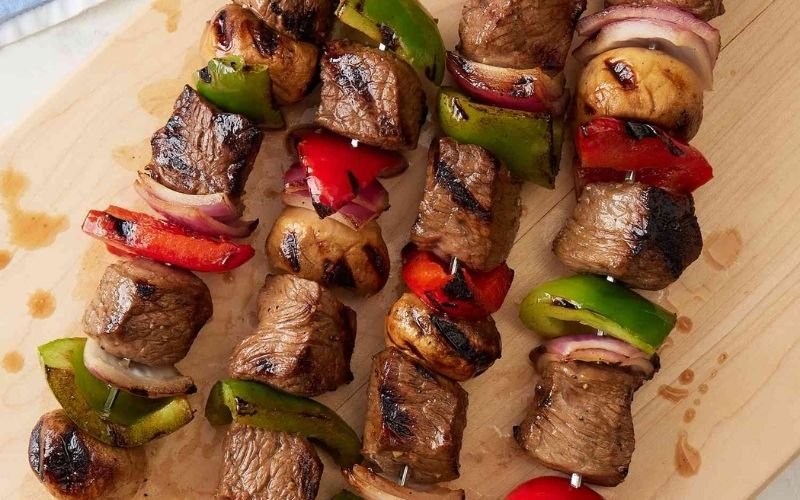
7. Mediterranean Beef Kebabs

beef kebabs

Charred outside, incredibly juicy inside.

  • Prep/Cook: 2h (marinating) / 12m | Serves: 4
  • Ingredients: 600g Beef cubes, 1/2 cup yogurt, lemon juice, paprika, cumin, bell peppers, and onions.
  • Method: Marinate beef in yogurt and spices for at least 2 hours. Thread onto skewers with vegetables. Cook over high heat, turning until each side is nicely charred.
  • High-Value Tip: Yogurt-based marinades act as a natural tenderizer, making even leaner cuts of beef soft.

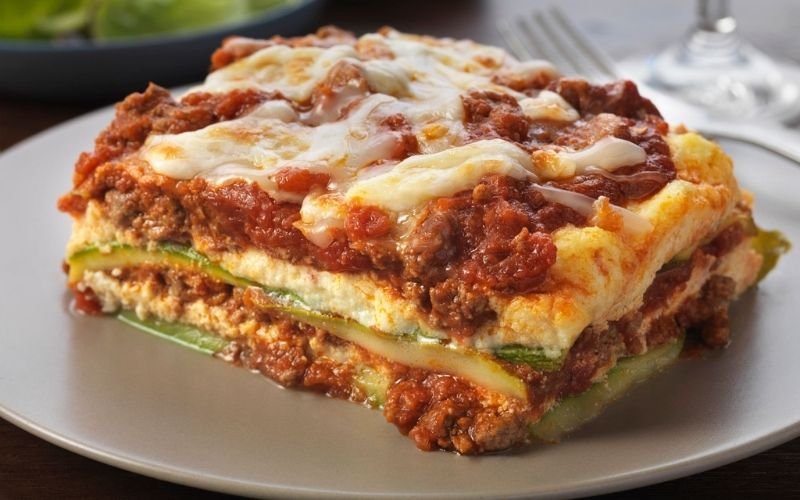
8. Ground Beef Lasagna

lasagna

Layers of cheesy, saucy, Italian-style comfort.

  • Prep/Cook: 30m / 45m | Serves: 6
  • Ingredients: 500g Ground beef, marinara sauce, 9 lasagna sheets, ricotta, 2 cups mozzarella, 1/2 cup parmesan.
  • Method: Brown the beef and mix with marinara. Layer sheets, meat sauce, and cheese mixture in a baking dish. Bake at 180°C until the top is golden and bubbling.
  • High-Value Tip: Allow the lasagna to sit for 15 minutes once it comes out of the oven. This prevents the layers from sliding apart when you cut it.

9. The Classic Juicy Burger

classic burger

Better than any gourmet burger joint.

  • Prep/Cook: 15m / 10m | Serves: 4
  • Ingredients: 600g Ground beef (20% fat), salt, pepper, brioche buns, cheddar cheese slices.
  • Method: Form patties gently without overworking the meat. Season only the outside. Grill each side for 4–5 minutes, placing the cheese on during the final minute.
  • High-Value Tip: Make a small dimple in the center of the patty with your thumb to prevent it from bulging during cooking.

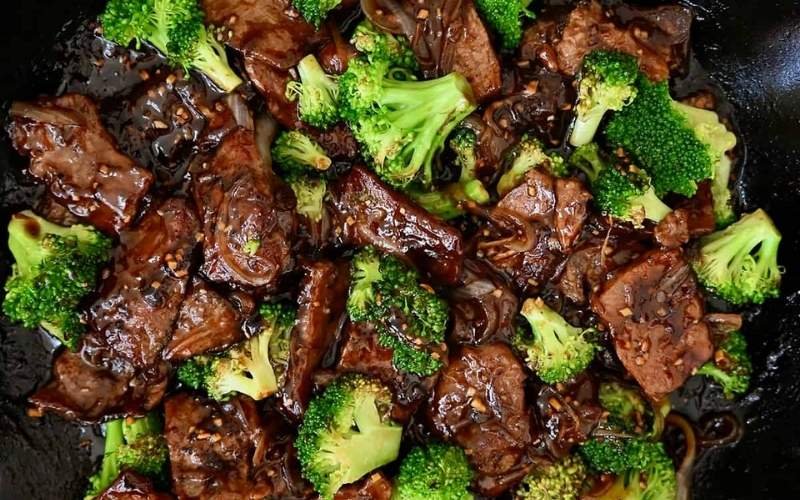
10. Beef & Broccoli Stir-Fry

stir fry

A quick 15-minute dish that outshines takeout every single time.

  • Prep/Cook: 10m / 7m | Serves: 2
  • Ingredients: 250g Flank steak (thinly sliced), 2 cups broccoli, 3 tbsp soy sauce, 1 tbsp ginger, 2 cloves garlic, sesame oil.
  • Method: Stir-fry beef on very high heat until browned. Remove meat, sauté broccoli with a splash of water, then return the beef and toss with soy sauce and ginger.
  • High-Value Tip: “Velvet” the beef by tossing it in 1 tsp of cornstarch before frying for that silky restaurant texture.

Conclusion

Mastering beef is about respecting the meat and the flame. Whether you’re preparing a quick weeknight burger or a weekend stew, these 10 recipes provide a solid foundation for any home cook. Focus on the quality of the cut, the sear, and the resting time, and you’ll never have a boring beef meal again. Happy cooking!

Frequently Asked Questions (FAQs)

Q1: Why is my beef often tough or chewy?
Most often, it’s because the cut doesn’t match the method. Slow-cooking cuts (Chuck) need time to break down, while fast-cooking cuts (Sirloin) turn to leather if overcooked. Always slice against the grain!

Q2: Is it safe to eat pink beef?
For whole steaks, yes! Bacteria stay on the surface, which is killed during searing. However, ground beef should always be cooked through (71°C) as the surface is mixed throughout.

Q3: How do I get a perfect brown crust on my steak?
High heat and dry meat. If the pan isn’t hot enough or the meat is wet, it will steam instead of sear, resulting in a grey, flavorless exterior.

Q4: Can I freeze these beef dishes?
Yes. Cooked beef stews, curries, and lasagna freeze exceptionally well for up to 3 months. Steaks and burgers are best enjoyed fresh.

Q5: What is the best way to reheat leftovers?
Avoid the microwave if possible. Reheat in a pan over low heat with a splash of water or broth and a lid. This creates steam that keeps the meat moist.

Q6: Why does my ground beef release so much water?
This happens if you overcrowd the pan. Cook in batches so the temperature stays high enough to evaporate moisture instantly.

April 21, 2026 0 comments
guatemala food
Food

Guatemala Food Guide: 10 Traditional Dishes That Define Central American Flavor

by Arham Cheema April 21, 2026
written by Arham Cheema

Guatemala is a culinary powerhouse in Central America, offering a vibrant fusion of Ancient Mayan traditions and Spanish colonial influences. Unlike generic fast food, Guatemalan cuisine is a soulful celebration of earth-grown ingredients: corn, chilies, beans, and exotic spices.

Whether you are a food traveler or a home cook looking for inspiration, these 10 iconic dishes offer a masterclass in balanced flavors and rich history.

Quick Look: The Flavors of Guatemala

DishFlavor ProfileKey IngredientBest For
PepianSmoky & NuttyToasted Seeds (Pepitoria)National Pride
Kak’ikBold & EarthyTurkey & AchioteSpicy Soup Lovers
JoconFresh & TangyTomatillos & CilantroA Light Lunch
RellenitosSweet & SavoryPlantains & Black BeansDessert

1. Pepian: The Smoky National Treasure

pepian

Pepian is widely considered the National Dish of Guatemala. It is a thick, hearty stew that dates back to the 16th century. The secret lies in the recado (sauce), made by roasting pumpkin seeds (pepitoria), sesame seeds, and dried chilies.

  • The Experience: It has a deep, smoky undertone with a grainy texture that clings perfectly to chicken or beef.
  • Pro Tip: Always enjoy it with a side of white rice and thick, hand-patted corn tortillas to soak up every drop of the sauce.

2. Kak’ik: The Mayan King of Soups

kak’ik

Originating from the Q’eqchi’ Maya people of Cobán, Kak’ik is a bright red turkey soup. Its stunning color comes from Achiote (Annatto), and it features a blend of coriander and spicy chilies.

  • The Experience: The broth is light but incredibly fragrant, often served with a whole turkey leg (chompipe) inside.
  • Fun Fact: “Kak” means red and “Ik” means spicy in the Mayan language.

3. Jocon: The Vibrant Green Chicken Stew

jocon

If you prefer something fresh and herbal, Jocon is the answer. This silky green sauce is made by blending tomatillos, cilantro, and green onions.

  • The Experience: It is mildly tangy and very refreshing compared to the heavier red stews.
  • Why it’s High Value: It’s a great entry point for kids or those who avoid spicy food.

4. Tamales: The Heart of Celebrations

tamales

While many countries have tamales, Guatemalan versions are unique. They are usually larger and wrapped in Maxán or Banana leaves, which infuse the corn dough (masa) with a distinct tea-like aroma.

  • Varieties: Look for Tamales Colorados (Red) for a savory meat filling or Tamales Negros (Black) for a sweeter, chocolate-infused version.

5. Hilachas: Comfort in Every Thread

hilachas

“Hilachas” means “tattered shreds,” a nod to the tender beef that’s gently pulled into fine, thread-like strips. The beef is simmered in a tangy tomato and guajillo chili sauce, accompanied by potatoes and carrots.

  • The Experience: It’s the ultimate comfort food warm, filling, and deeply nostalgic for locals.

6. Chiles Rellenos: A Golden Fried Delight

chiles rellenos

Unlike the Mexican version, Guatemalan Chiles Rellenos are typically stuffed with a finely chopped mixture of meat and vegetables (peas, carrots, and potatoes). They are dipped in a fluffy egg batter and fried until golden.

  • Serving Style: They are often served tucked inside a bun or with a drizzle of fresh tomato salsa.

7. Fiambre: The World’s Most Complex Salad

fiambre

Fiambre is a cultural phenomenon served only once a year on November 1st (All Saints Day). It is a massive cold salad that can contain over 50 ingredients, including pickled vegetables, various sausages, cheeses, and cold cuts.

  • The Experience: It is a symphony of vinegar-picked flavors and textures, meant to be shared with family to honor ancestors.

8. Tostadas: The Ultimate Street Snack

tostadas

Tostadas are the “fast food” of Guatemala. These are crispy, fried corn tortillas topped with three classic options: Guacamole, Black Bean Paste, or Salsa Roja.

  • Pro Tip: Look for street vendors near churches or parks in Antigua; they usually garnish them with dry cheese and parsley for an extra kick of flavor.

9. Rellenitos de Plátano: A Delicious Blend of Sweetness and Savory Contrast

rellenitos de plátano

Rellenitos are small, egg-shaped balls of boiled plantains stuffed with sweetened black bean paste and a hint of chocolate or cinnamon.

  • The Experience: The combination might sound unusual, but the sweetness of the plantain perfectly complements the earthy beans. It’s arguably the most beloved dessert in the country.

10. Atol de Elote: A Warm Hug in a Cup

atol de elote

This is not your average corn drink. Atol de Elote is a thick, creamy, and sweet beverage made from fresh yellow corn.

  • The Experience: Seasoned with salt and cinnamon, it’s served steaming hot. It’s the perfect companion for a chilly evening in the Guatemalan highlands.

Conclusion: Why Guatemalan Food Matters

Guatemalan cuisine is a testament to the resilience of its people and the richness of its land. From the smoky depths of Pepian to the festive chaos of Fiambre, each dish tells a story of community and love. Exploring these flavors isn’t just about eating; it’s about experiencing a living history that has been passed down through generations.

Frequently Asked Questions (FAQs)

Q1: Is Guatemalan food very spicy?

Most Guatemalan dishes focus on rich flavors and aromas rather than intense heat. While chilies like Guaque and Pasa are used for depth, they are usually mild. Spicy sauces (picante) are usually served on the side for those who want more heat.

Q2: What is the most famous street food in Guatemala?

Tostadas and Chuchitos (smaller, firmer tamales) are the most popular street snacks. You will also find Antojitos like fried plantains and garnished hot dogs called Shucos in every corner.

Q3: Is Guatemalan cuisine vegetarian-friendly?

Yes! While many stews contain meat, the staples are beans, rice, avocado, and corn. Dishes like Tostadas with Guacamole and Rellenitos are naturally meat-free, and most places offer bean-based alternatives.

Q4: What makes Guatemalan Tamales different from Mexican ones?

The main difference is the wrapping and texture. Guatemalan tamales are often wrapped in Banana or Maxán leaves, which makes the dough softer and moister compared to the corn-husk-wrapped Mexican variety.

Q5: Can I find these ingredients globally?

Most ingredients like corn, black beans, and plantains are available worldwide. However, specific chilies like Chile Pasa might need to be sourced from specialty Latin American stores or substituted with milder dried chilies.

April 21, 2026 0 comments
honduran food
Food

Honduran Food: 16 Must-Try Traditional Dishes for Every Food Lover

by Arham Cheema April 21, 2026
written by Arham Cheema

Honduran food is one of Central America’s most underrated culinary treasures. Packed with bold flavors, vibrant colors, and recipes passed down for generations, this cuisine reflects a beautiful mix of Indigenous Lenca traditions, Afro-Caribbean influences, and Spanish heritage. Whether you love hearty comfort meals or tropical flavors, Honduran food offers something unforgettable in every bite.

From coconut-infused soups on the Caribbean coast to corn-based classics in the mountains, the best food in Honduras celebrates local ingredients like plantains, beans, yucca, fresh seafood, and handmade tortillas. Every dish tells a story of culture, family, and the nation’s deep connection to its land.

In this massive guide, you’ll explore:

  • The origins and evolution of traditional Honduran cuisine
  • What people eat daily in Honduras
  • Food habits, mealtime culture, and etiquette
  • 16 iconic Honduran dishes you must try at least once
  • Useful insights, fun facts, and flavorful tips to keep you reading

Traditional Honduran Food

Traditional Honduran food is a flavorful reflection of the country’s history, geography, and cultural diversity. Rooted in Indigenous Lenca practices, enriched by Spanish colonial influences, and shaped by Afro-Caribbean communities along the coast, this cuisine offers a rich blend of comforting, homemade dishes and tropical ingredients. What makes Honduran cuisine truly special is its balance: simple ingredients transformed into deeply satisfying meals.

From corn-based staples to coconut-rich soups, Honduran dishes highlight fresh, local produce and time-tested cooking traditions that have been preserved for centuries. Below, we explore the key foundations that shaped Honduran cuisine and continue to define the best food in Honduras today.

Development of Honduran Food & The Role of Corn in Honduran Cuisine

The development of Honduran food is deeply rooted in centuries-old Indigenous traditions, with corn at the center of it all. Long before Spanish colonizers arrived, communities such as the Lenca, Miskito, Pech, and Garífuna relied heavily on corn, beans, yucca, squash, and native herbs to prepare nourishing meals. These ingredients formed the foundation of their diet and continue to define the best food in Honduras today.

When the Spanish settled in the region, they introduced new foods such as wheat, dairy, pork, beef, rice, and European cooking methods. Over time, these additions blended with Indigenous practices, creating a rich fusion that shaped modern Honduran cuisine. The influence of Afro-Caribbean cultures along the coast added yet another layer of flavor, bringing coconut milk, plantains, and seafood dishes into everyday cooking.

Key Influences on Honduran Food:

  • Indigenous techniques: stone-grinding corn, open-fire cooking, steaming tamales
  • Spanish additions: cheese, rice, stews, herbs, and new meats
  • Afro-Caribbean flavors: coconut milk, fish, conch, sweet plantains

At the heart of this culinary evolution is corn, the most important staple in Honduran cuisine. Corn is more than just an ingredient it is a cultural symbol of identity, nourishment, and tradition. It appears in nearly every household and plays a key role in both daily and celebratory dishes.

Popular Corn-Based Foods in Honduras:

  • Tortillas: Soft, warm, and served with almost every meal
  • Tamales: Corn dough filled with meats, beans, or vegetables
  • Atol de elote: A warm, sweet corn drink enjoyed year-round
  • Catrachitas: Crispy corn tortillas topped with beans and cheese

The fusion of Indigenous roots, European influence, and Afro-Caribbean flair has created a cuisine that is hearty yet tropical, simple yet bold. And at the center of it all stands corn the ancient crop that continues to shape and define the soul of Honduran food.

Honduran Food in the World

While Honduran cuisine may not be as globally recognized as Mexican or Peruvian food, it is steadily gaining international appreciation. Honduran restaurants in the United States, Canada, and Spain are introducing more people to iconic dishes like baleadas, sopa de caracol, and pollo chuco.

Why Honduran food is rising worldwide:

  • Unique flavor combinations (tropical + savory)
  • Comfort-style meals that appeal to global tastes
  • Growing Honduran communities abroad
  • Tourism in Roatán and the Bay Islands showcasing coastal cuisine

Travelers often describe Honduran dishes as “homemade, fresh, and deeply comforting,” which helps the cuisine stand out globally. As more food lovers explore Central American flavors, Honduran food continues to gain the recognition it truly deserves.

What Do People Eat in Honduras?

Hondurans enjoy a diverse mix of hearty, flavorful, and homemade dishes built around fresh, local ingredients. Daily meals commonly include corn tortillas, beans, rice, plantains, eggs, chicken, pork, and seafood especially along the northern coast. While traditional specialties vary by region, the foundation of Honduran food stays consistent: simple ingredients transformed into delicious, soul-warming meals.

Below is a closer look at the daily eating habits, meal structure, and table etiquette that shape the food culture and the best food in Honduras.

Eating Habits

Hondurans typically follow balanced eating habits grounded in homemade cooking, fresh produce, and hearty meals. Food is not just a necessity it’s a cultural experience tied to family traditions and community gatherings.

Common eating habits in Honduras include:

  • Homemade meals over processed foods: Most families cook fresh meals daily.
  • Corn tortillas with almost every meal: A staple made fresh at home or bought warm from local tortillerías.
  • Beans and rice as daily essentials: Affordable, nutritious, and versatile.
  • Plantains used in multiple forms: Boiled, fried, sweet, or savory.
  • Seafood-focused diets on the coast: Shrimp, fish, and conch are everyday foods.
  • Coffee culture: Hondurans enjoy strong, rich coffee, often paired with sweet bread in the morning.

These habits reflect a lifestyle centered around wholesome, filling dishes that keep energy high throughout the day.

Meals Structure

Honduras follows a three-meal structure similar to many Latin American countries, with each meal having its own traditions and flavor profile.

Breakfast (Desayuno)

Often the most important meal of the day, breakfast is hearty and energizing. A typical Honduran breakfast includes:

  • Scrambled or fried eggs
  • Refried beans
  • Fresh cheese
  • Avocado
  • Sweet plantains
  • Warm corn tortillas
  • Coffee

The famous baleada (flour tortilla filled with beans, cheese, eggs, or cream) is also a popular all-day breakfast option.

Lunch (Almuerzo)

Lunch is usually the largest meal and almost always homemade. Families often gather for a nutritious plate featuring:

  • Rice and beans
  • Grilled or stewed meat (chicken, beef, pork)
  • Fresh salad
  • Plantains or yucca
  • Tortillas

Soups like sopa de caracol, tapado, or bean soup are also common for mid-day meals.

Dinner (Cena)

Dinner is lighter and simpler than lunch. Common choices include:

  • Baleadas
  • Soups
  • Fried plantains
  • Tortilla with cheese
  • Sandwiches or eggs

For many households, dinner is a relaxing, family-centered moment.

Etiquette

Food etiquette in Honduras is warm, respectful, and rooted in hospitality. Eating is a communal experience, and visitors are often welcomed with generous servings.

Key Honduran dining etiquette includes:

  • Always greet before starting a meal: Polite manners show respect.
  • Wait for everyone to be served: Meals begin together.
  • Use utensils for most dishes: Though tortillas are used to scoop food.
  • Compliment the cook: Appreciation is valued.
  • Accepting offered food is respectful: Refusing without reason may seem impolite.
  • Sharing is common: Especially during celebrations or family gatherings.

These customs highlight the importance of kindness, community, and connection in Honduran dining culture.

16 Famous Honduran Foods You Have to Try

Honduras is home to some of the most flavorful and comforting dishes in Central America. Whether you’re exploring coastal seafood specialties, indulging in corn-based classics, or grabbing a quick bite from a street vendor, the best food in Honduras offers a delicious mix of rich traditions and bold flavors. Below, you’ll find 16 iconic dishes that define Honduran food — each with its history, key ingredients, flavor profile, and a small cultural tidbit to keep the reader engaged.

Baleadas

baleadas

Baleadas are one of Honduras’ most beloved and iconic foods. This simple yet satisfying dish features a soft, warm flour tortilla filled with creamy refried beans and topped with cheese, cream, or other flavorful add-ins. Affordable, comforting, and enjoyed any time of day, baleadas perfectly represent the heart of Honduran home-style cooking.

Why it’s special:

  • Affordable, filling, and available everywhere
  • Perfect for breakfast, lunch, or dinner
  • Known as one of the national comfort foods

Tidbit: Many Hondurans claim you can judge a region’s identity by how they prepare their baleadas!

Sopa de Caracol

sopa de caracol

Sopa de Caracol is one of Honduras’ most famous traditional dishes, known for its rich, tropical flavors. Made with tender conch meat, coconut milk, vegetables, and aromatic spices, this hearty soup is a coastal favorite. It’s warm, creamy, and deeply comforting a true taste of Honduras’ Caribbean heritage.

Flavor profile:
Creamy, coconut-forward, lightly spicy, and savory with a tropical touch.

Tidbit: This soup became internationally famous after the hit Garífuna song “Sopa de Caracol.”

Tapado

tapado

Tapado is a traditional Honduran stew known for its rich, comforting, and tropical flavors. Made with a mix of seafood or meat, ripe plantains, coconut milk, and vegetables, this dish showcases the country’s Caribbean influence. It’s hearty, aromatic, and deeply flavorful a true celebration of coastal Honduran cuisine.

Why locals love it:

  • A complete, nutritious meal in one bowl
  • A unique blend of sweet and savory
  • A signature Afro-Caribbean dish

Tidbit: Tapado is often cooked slowly over wood fires for a deeper, smoky flavor.

Machuca

machuca

Machuca is a beloved Afro-Honduran dish that beautifully blends simplicity with bold Caribbean flavors. It features hand-mashed plantains served alongside a rich coconut milk soup made with fish, herbs, and spices. Comforting, rustic, and full of tradition, Machuca is a staple in Garífuna cuisine and a true taste of coastal Honduras.

Key elements:

  • Smooth, mashed plantains
  • Rich coconut-based broth
  • Fresh fish or shrimp

Tidbit: Machuca is eaten by hand in some communities adding a cultural touch to the experience.

Tamales

tamales

Tamales are a cherished Honduran tradition, enjoyed during celebrations, holidays, and everyday meals. Made from seasoned corn dough filled with meat, vegetables, or beans and wrapped in banana leaves, they’re steamed to tender perfection. Flavorful, comforting, and deeply rooted in Indigenous heritage, tamales are a true classic of Honduran cuisine.

What makes them unique:

  • Banana leaves add aroma and moisture
  • Often enjoyed during holidays and celebrations
  • Each region adds its own twist

Tidbit: In Honduras, tamales are often served with a side of homemade coffee.

Tajadas

tajadas

Tajadas are one of Honduras’ most beloved crispy snacks, made from thinly sliced green plantains that are fried to golden perfection. Served with cabbage, meat, or simple seasonings, they offer the perfect balance of crunch and flavor. Whether enjoyed as a street-food treat or a side dish, tajadas add a deliciously satisfying touch to Honduran meals.

Why they’re iconic:

  • Popular street food
  • Served with meat, cabbage, and sauce
  • Add crunch and sweetness to meals

Tidbit: In many households, tajadas replace French fries entirely!

Pollo Chuco

pollo chuco

Pollo Chuco also known as Honduran fried chicken is a flavorful, crispy, and iconic street-food favorite. The dish features golden fried chicken served over a bed of tajadas, cabbage slaw, and a zesty tomato sauce. With its crunch, spice, and bold flavors, Pollo Chuco is one of the most irresistible and best foods in Honduras.

Highlights:

  • A street-food classic
  • Crunchy, tangy, and satisfying
  • One of the most popular fast foods in Honduras

Tidbit: Many travelers call it “the best fried chicken in Central America.”

Pastelitos

pastelitos

Pastelitos are popular Honduran snacks made from small, flaky pastries filled with seasoned meat, chicken, or vegetables. Crispy on the outside and savory on the inside, they are perfect for quick bites, parties, or street food. Pastelitos are a delicious, convenient way to enjoy the flavors of traditional Honduran cuisine.

Why people love them:

  • Great party food
  • Crispy outside, savory inside
  • Affordable and portable

Tidbit: Pastelitos are common at school events and family gatherings.

Catrachitas

catrachitas

Catrachitas are a classic Honduran street food made from crispy corn tortillas topped with refried beans, cheese, and sometimes a touch of hot sauce. Affordable, flavorful, and easy to eat on the go, they are a beloved snack that perfectly represents everyday Honduran food and culture.

Perfect for:

  • Snacks
  • Appetizers
  • Quick street eats

Tidbit: The name “catracha” refers to Honduran culture making this dish proudly national.

Pupusas

pupusas

Pupusas are a popular stuffed tortilla dish originally from El Salvador but widely enjoyed in Honduras, especially in border regions. Filled with cheese, beans, or seasoned meat, they are cooked on a griddle until golden and served with tangy cabbage slaw. Pupusas are savory, satisfying, and a beloved comfort food in Honduran cuisine.

Common fillings:

  • Cheese
  • Beans
  • Chicharrón

Tidbit: In Honduras, pupusas are often served with spicier curtido (fermented cabbage slaw) compared to the Salvadoran version.

Torrejas

torrejas

Torrejas are a traditional Honduran dessert made from sweet bread slices soaked in a fragrant syrup of cinnamon, cloves, and panela. Soft, syrupy, and warmly spiced, they are especially popular during holidays and festive celebrations. Torrejas are a comforting treat that showcases the sweet side of Honduran cuisine.

What makes them special:

  • Dessert full of warm spices
  • Soft, syrupy, and comforting
  • A festive favorite

Tidbit: Many Honduran families guard their torrejas recipes like treasure.

Enchiladas

enchiladas

Enchiladas in Honduras are a delicious, open-faced dish featuring a crisp fried tortilla topped with seasoned ground beef, shredded cabbage, cheese, sliced eggs, and tomato sauce. Unlike the Mexican version, Honduran enchiladas are colorful, hearty, and commonly enjoyed as street food or a satisfying snack.

Why they stand out:

  • Open-faced style
  • Bright, colorful toppings
  • Balanced textures

Tidbit: Enchiladas are often sold at weekend markets and street corners.

Carne Asada

carne asada

Carne Asada is a popular Honduran dish featuring marinated, grilled beef served with fresh sides like chimol (tomato and onion salsa), beans, tortillas, and plantains. Juicy, smoky, and full of flavor, it’s a staple at family gatherings, celebrations, and outdoor meals, showcasing the hearty and savory side of Honduran cuisine.

Flavor profile:
Smoky, juicy, savory, and fresh.

Tidbit: Carne asada is a must-have at Honduran family gatherings and outdoor parties.

Ceviche

ceviche

Ceviche is a refreshing Honduran dish made with fresh fish or shrimp marinated in lime juice, mixed with onions, tomatoes, cilantro, and spices. Light, tangy, and full of tropical flavors, it’s especially popular along the coast and is a perfect appetizer or snack to enjoy in the warm Honduran climate.

Why it’s popular:

  • Light and refreshing
  • Perfect for coastal heat
  • Often enjoyed with salted crackers

Tidbit: Some Honduran ceviches include coconut for an extra tropical twist.

Tapado Olanchano

tapado olanchano

Tapado Olanchano is a traditional Honduran stew from the Olancho region, made with beef ribs, plantains, corn, vegetables, and aromatic herbs. Rich, hearty, and deeply comforting, this rustic dish reflects the farm-to-table traditions of inland Honduras and is a must-try for anyone exploring authentic Honduran food.

What makes it unique:

  • Not seafood-based like coastal tapado
  • Rich, thick, and deeply comforting
  • A farm-style, rustic stew

Tidbit: Tapado Olanchano is often served during festivals and large family meals.

Chicharrones

chicharrones

Chicharrones are crispy, golden-fried pork belly or pork skin, seasoned to perfection and enjoyed as a snack, side dish, or taco filling. Crunchy, savory, and highly addictive, chicharrones are a beloved street food and a staple in Honduran cuisine that highlights the country’s love for bold, hearty flavors.

Why they’re loved:

  • A perfect snack or taco filling
  • Salty, crunchy, addictive
  • Common at markets and carnicerías

Tidbit: In many Honduran towns, chicharrón vendors sell out before noon!

Final Thoughts

Honduran food is more than just a collection of recipes it’s a celebration of culture, family, and centuries-old traditions. From hearty corn-based dishes to vibrant coastal seafood meals, every bite reflects the country’s diverse landscapes and multicultural heritage. Signature dishes like baleadas, sopa de caracol, and tajadas tell a story of flavor, history, and community.

What makes the best food in Honduras truly special is its balance of simplicity and boldness. Fresh ingredients, homemade techniques, and rich cultural roots create meals that are comforting, memorable, and deeply satisfying. Whether enjoyed at home, in local markets, or during travel, Honduran cuisine leaves a lasting impression on every food lover.

FAQs

1. What is the most famous food in Honduras?

The most famous food in Honduras is baleadas. This simple yet delicious dish features a thick flour tortilla filled with refried beans, cheese, and cream. Many variations add eggs, avocado, or meat, making baleadas a versatile favorite enjoyed any time of day.

2. What ingredients are most common in Honduran cuisine?

Honduran food relies heavily on corn, beans, rice, plantains, yucca, seafood, coconut milk, and fresh vegetables. These ingredients form the base of everyday dishes as well as iconic foods like sopa de caracol, tamales, and carne asada.

3. Is Honduran food spicy?

Generally, Honduran cuisine is mild, not spicy. While chili sauces and pickled jalapeños are available, traditional dishes focus more on savory, creamy, or slightly sweet flavors. Spice can be added according to personal preference.

4. What is a typical breakfast in Honduras?

A traditional Honduran breakfast includes eggs, refried beans, cheese, avocado, fried plantains, and warm tortillas. Baleadas are also a popular breakfast choice, especially the baleada especial with eggs or avocado.

5. What are the best street foods in Honduras?

Some of the best street foods in Honduras include pollo chuco, catrachitas, enchiladas, pastelitos, and fresh tajadas. These foods are flavorful, affordable, and widely available across markets and roadside vendors.

6. What is the most popular dessert in Honduras?

One of the most popular desserts is torrejas, sweet bread slices soaked in a cinnamon-and-panela syrup. They are especially enjoyed during Christmas and Holy Week but loved year-round for their comforting, warm flavor.

7. What makes Honduran cuisine unique?

Honduran cuisine stands out because of its rich multicultural roots Indigenous, Spanish, and Afro-Caribbean influences blend to create dishes that are simple, bold, and deeply comforting. The use of plantains, coconut, corn, and fresh seafood makes the flavors distinct from neighboring cuisines.

8. Can I find Honduran food outside of Honduras?

Yes! Honduran restaurants and bakeries can be found in the United States, Canada, Spain, and parts of Latin America. Dishes like baleadas, sopa de caracol, and pollo chuco are becoming increasingly popular internationally.

9. What is the national dish of Honduras?

Many consider plato típico (a plate of beef, beans, rice, plantains, and tortillas) to be the national dish. However, baleadas and sopa de caracol are also strong cultural symbols.

10. Is Honduran food healthy?

Many Honduran dishes are naturally healthy due to their reliance on whole foods beans, corn, plantains, vegetables, seafood, and lean meats. However, as with all cuisines, fried foods like tajadas or pollo chuco should be enjoyed in moderation.

April 21, 2026 0 comments
Newer Posts
Older Posts

Recent Posts

  • The Ultimate Guide to Homemade Pasta: 3 Master Recipes, Tips, and Professional Secrets
  • 15 Best Salmon Recipes | Easy, Healthy & Delicious Salmon Ideas
  • 5 Best Grilled Chicken Recipes | Juicy & Easy to Make
  • 10 Top Beef Dishes: The Complete Guide to Tender, Flavor-Packed Meals
  • Guatemala Food Guide: 10 Traditional Dishes That Define Central American Flavor

Recent Comments

No comments to show.

Recent Posts

  • The Ultimate Guide to Homemade Pasta: 3 Master Recipes, Tips, and Professional Secrets
  • 15 Best Salmon Recipes | Easy, Healthy & Delicious Salmon Ideas
  • 5 Best Grilled Chicken Recipes | Juicy & Easy to Make
  • 10 Top Beef Dishes: The Complete Guide to Tender, Flavor-Packed Meals
  • Guatemala Food Guide: 10 Traditional Dishes That Define Central American Flavor

Recent Comments

    Archives

    • April 2026
    • February 2026
    • January 2026
    • December 2025
    • November 2025
    • October 2025
    • September 2025

    Categories

    • Breakfast
    • Desserts
    • Drinks
    • Fast food
    • Food
    • Ideas
    • Recipes

    Meta

    • Log in
    • Entries feed
    • Comments feed
    • WordPress.org

    Categories

    • Breakfast
    • Desserts
    • Drinks
    • Fast food
    • Food
    • Ideas
    • Recipes

    Follow us on

    Popular Posts

    • 1

      The Ultimate Guide to Swedish Cuisine: 5 Iconic Dishes, History, and Traditions

      April 19, 2026
    • 2

      Honduran Food: 16 Must-Try Traditional Dishes for Every Food Lover

      April 21, 2026
    • 3

      The Ultimate Tuna Sandwich Recipe (Easy, Creamy & Perfect Every Time)

      January 15, 2026
    • 4

      The Ultimate Guide to Global Favorite Foods: History, Nutrition, and Culture

      April 16, 2026
    • 5

      Guatemala Food Guide: 10 Traditional Dishes That Define Central American Flavor

      April 21, 2026

    Newsletter

    theforksy

    TheForksy is a modern food and recipe platform packed with delicious recipes, cooking tips, and easy-to-follow guides, perfect for home cooks, food lovers, and culinary creators.

    • About Us
      • Home
      • Blog
      • Contact Us
      • About Us
    • Legal
      • Privacy Policy
      • Terms and Conditions
      • Disclaimer
      • FAQs

    Follow Us

    Facebook Pinterest

    © 2025 TheForksy. All Rights Reserved. Designed & Developed by TheForksy.

    theforksy.com
    • Home