There is an undeniable magic in the aroma of a cake baking in the oven. It transforms a house into a home and an ordinary afternoon into a celebration. However, for many home bakers, the journey from batter to a perfect sponge is often filled with “sunken centers,” “dry crumbs,” or “rubbery textures.” The difference between a mediocre homemade cake and a professional bakery-standard masterpiece doesn’t just lie in the ingredients it lies in the technique.
In this comprehensive guide, we have curated nine essential cake recipes that every baker should have in their repertoire. Whether you are craving the airy lightness of a classic sponge or the decadent richness of a New York-style cheesecake, these recipes are designed to be fail-proof, high-value, and delicious.
The 5 Golden Rules of Baking (Essential Preparation)
Before you crack a single egg, you must understand that baking is a science. Unlike cooking, where you can “eyeball” the salt or spices, baking requires precision. Follow these five rules to ensure success every time.
1. Temperature Matters
Always use room-temperature ingredients unless the recipe specifically calls for cold ones. Room-temperature eggs and butter emulsify much better, trapping air more efficiently during the creaming process. This results in a lighter, fluffier cake.
2. The Art of Sifting
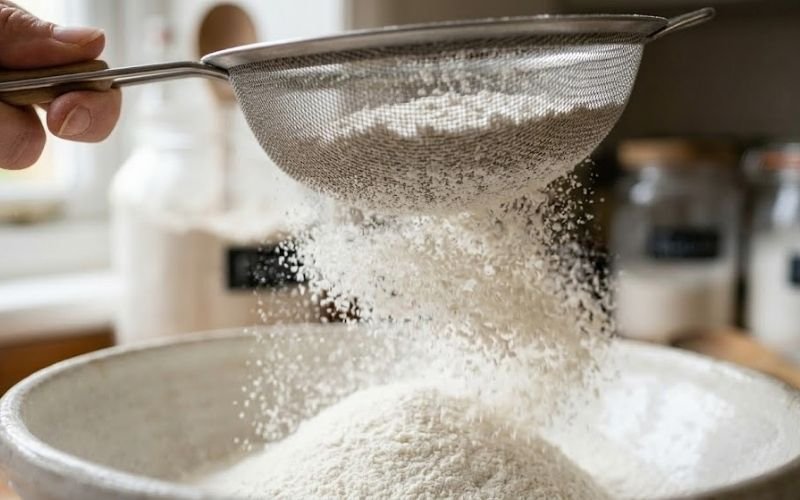
Never skip sifting your dry ingredients. Passing flour, cocoa powder, and leavening agents (baking powder or baking soda) through a sieve helps break up clumps and introduces air into the dry ingredients. This ensures that the leavening agents are evenly distributed, preventing “holes” or uneven rising in your cake.
3. Avoid Over-Mixing
The moment flour touches wet ingredients, gluten begins to develop. While gluten is great for chewy bread, it is the enemy of a tender cake. Mix only until the streaks of flour disappear. Over-mixing leads to a dense, bread-like texture.
4. Oven Accuracy and Preheating
Your oven should be preheated for at least 15–20 minutes before the cake goes in. Furthermore, most home ovens have “hot spots.” If possible, use an external oven thermometer to verify the temperature. Opening the oven door too early causes a sudden drop in temperature, which can make your cake sink.
5. Precision in Measurement
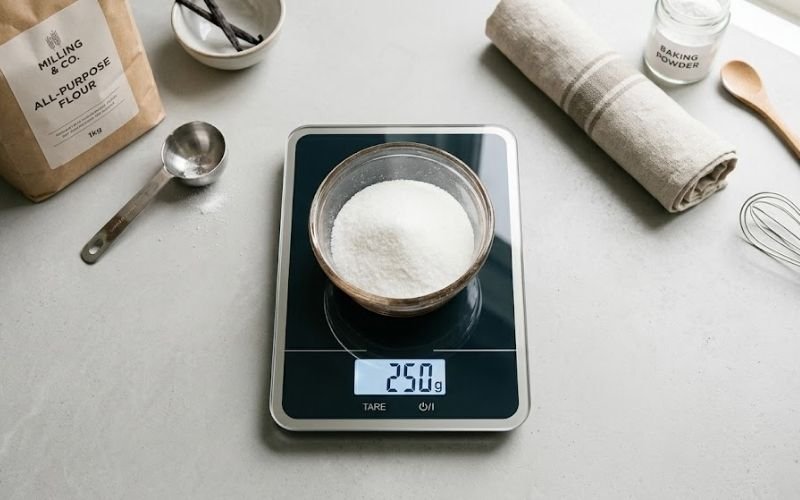
While cups are convenient, measuring by weight (grams) is the gold standard for baking. The amount of flour in one “cup” can differ by as much as 20% depending on how firmly the flour is packed. If using cups, use the “spoon and level” method rather than scooping directly with the cup.
1. The Classic Sponge Cake (The Mother of All Cakes)
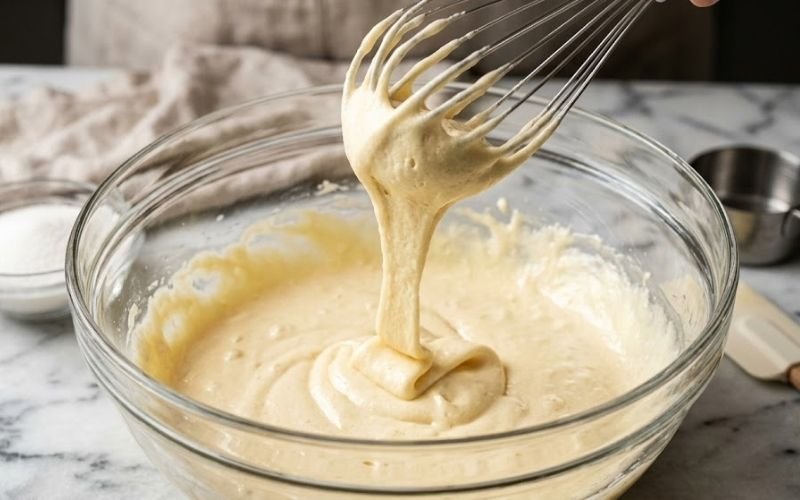
The sponge cake is the foundation of baking. It relies on aerated eggs rather than heavy fats for its lift.
- Key Ingredients: 4 Large Eggs, 1 cup Sugar, 1 cup All-purpose Flour, 1 tsp Vanilla, 2 tbsp Melted Butter.
- Method: Beat the eggs and sugar on high speed for at least 5–7 minutes until they reach the “ribbon stage” (where the batter falls in a thick trail that stays visible for a few seconds). Gently fold in the sifted flour using a spatula in a “figure-8” motion. Add the melted butter during the final step.
- Bake: 180°C for 25–30 minutes.
- High-Value Tip: To make the sponge extra airy, replace 2 tablespoons of flour with cornstarch. This lowers the protein content, creating a finer “crumb.”
2. The Ultimate Moist Chocolate Cake
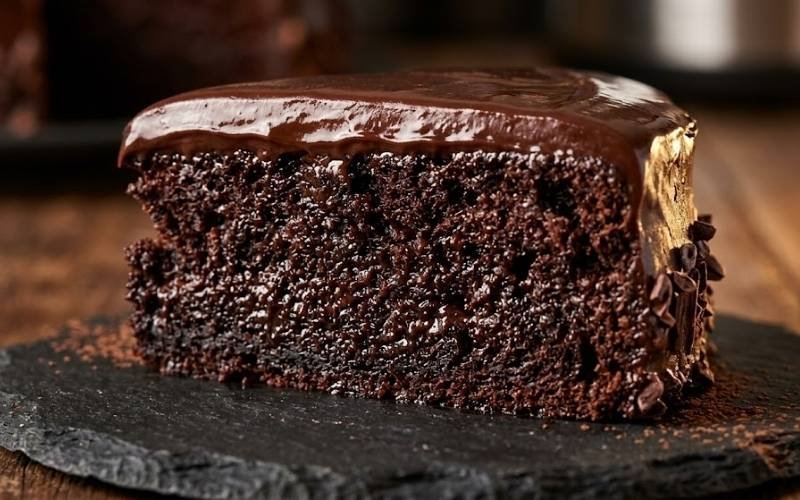
This recipe is designed for those who find chocolate cakes too dry. It uses oil to ensure the cake stays moist even after refrigeration.
- Key Ingredients: 1.5 cups Flour, 1 cup Sugar, 0.5 cup Cocoa Powder, 1 tsp Baking Soda, 0.5 cup Oil, 1 cup Milk, 0.5 cup Hot Coffee.
- Method: Whisk the dry and wet ingredients separately, then combine. The final step is adding the hot coffee. The batter will be very thin don’t worry, this is normal.
- Bake: 180°C for 30–35 minutes.
- High-Value Tip: The hot coffee doesn’t make the cake taste like coffee; instead, it “blooms” the cocoa powder, intensifying the chocolate flavor and dissolving any lumps.
3. Vanilla Butter Cake (The Perfect Tea-Time Companion)
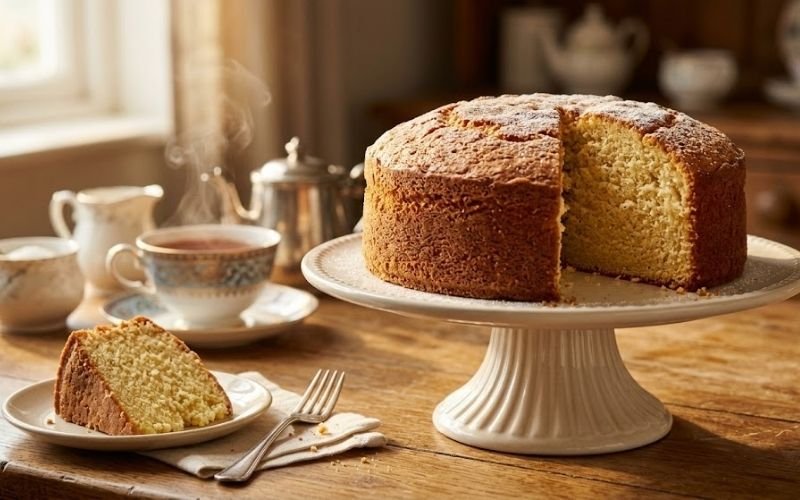
A sturdy, buttery cake that is perfect for carving, layering, or enjoying with a cup of tea.
- Key Ingredients: 1 cup Unsalted Butter (Softened), 1 cup Sugar, 2 cups Flour, 3 Eggs, 0.5 cup Milk, 1.5 tsp Baking Powder.
- Method: Cream the butter and sugar until the mixture is pale and fluffy (this should take about 3–4 minutes). Add eggs one at a time. Alternately add the dry ingredients and milk to maintain the emulsion.
- Bake: 170°C for 35–40 minutes.
- High-Value Tip: Use “European-style” butter with a higher fat content for a richer flavor and a more luxurious mouthfeel.
4. Red Velvet Cake (Velvety Texture)
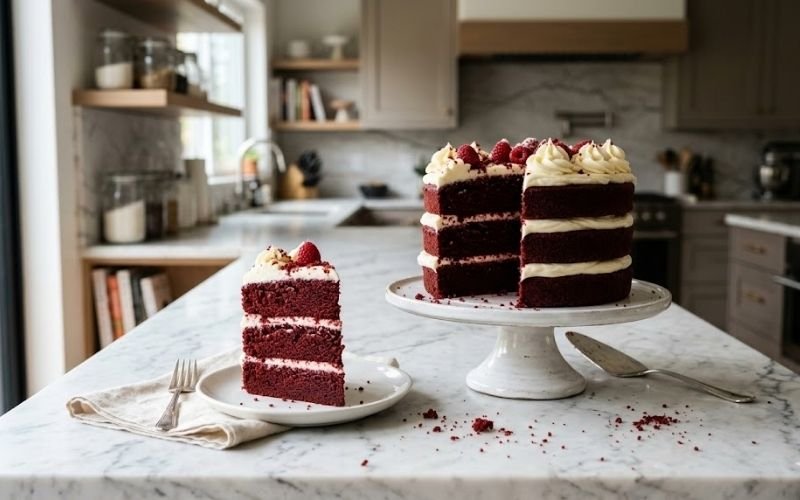
Red Velvet is more than just a red-colored chocolate cake; it’s a unique chemical reaction between cocoa, vinegar, and buttermilk.
- Key Ingredients: 2.5 cups Flour, 1.5 cups Sugar, 1 cup Buttermilk, 2 Eggs, 1 tsp Vinegar, 1 tsp Baking Soda, 2 tbsp Cocoa Powder, Red Gel Food Coloring.
- Method: Mix the vinegar and baking soda last; the fizzing reaction provides the lift. The buttermilk reacts with the cocoa to create a deep, maroon tint and a tender crumb.
- Bake: 175°C for 30 minutes.
- High-Value Tip: Use gel coloring instead of liquid coloring. Gel provides a vibrant red without thinning the batter or adding a metallic aftertaste.
5. Spiced Carrot Cake (The Moistest Treat)
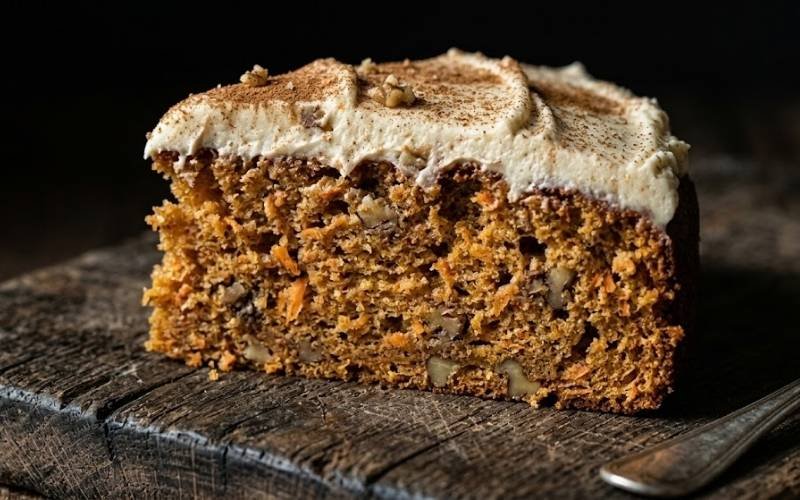
A rustic favorite that combines the sweetness of carrots with the warmth of autumn spices.
- Key Ingredients: 2 cups Grated Carrots, 1.5 cups Flour, 1 cup Brown Sugar, 0.5 cup Oil, 2 Eggs, 1 tsp Cinnamon, 0.5 tsp Nutmeg, 0.5 cup Crushed Walnuts.
- Method: Whisk the eggs, sugar, and oil until smooth. Fold in the flour and spices, followed by the carrots and nuts. Brown sugar is used here for a deeper, caramel-like flavor.
- Bake: 180°C for 40 minutes.
- High-Value Tip: Grate the carrots finely using the smallest holes on your grater. This allows them to melt into the batter, providing moisture without leaving large, crunchy chunks.
6. New York Style Cheesecake (Rich & Creamy)
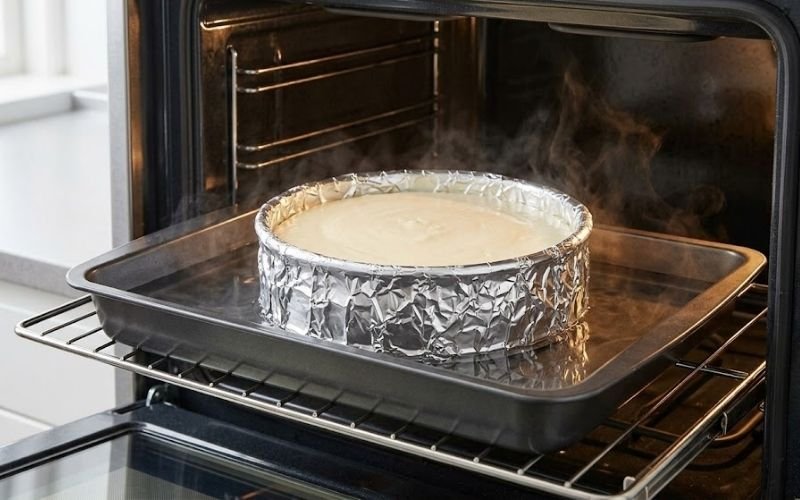
Unlike flour-based cakes, a cheesecake is essentially a baked custard. It requires gentle heat to prevent cracking.
- Key Ingredients: 500g Cream Cheese (Full Fat), 1 cup Sugar, 3 Eggs, 0.5 cup Sour Cream, 1 cup Crushed Digestive Biscuits, 50g Melted Butter.
- Method: Press the biscuit-butter mix into a pan. Beat the cream cheese and sugar on low speed to avoid adding air bubbles. Add eggs one by one. Bake in a “Water Bath” (placing the cake tin inside a larger tray filled with hot water).
- Bake: 160°C for 50–60 minutes.
- High-Value Tip: Never pull a cheesecake out of the oven immediately. Turn the oven off, crack the door open, and let it cool inside for an hour. This gradual cooling prevents the top from cracking.
7. Classic Fruit Cake (The Festive Tradition)
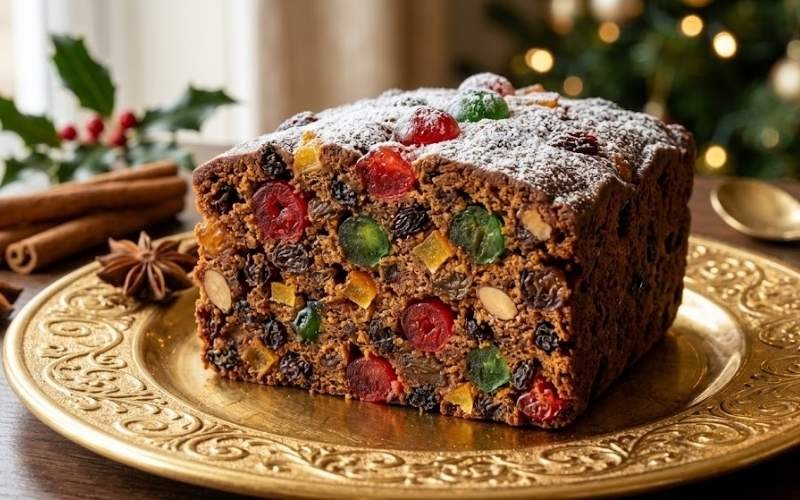
A dense, spiced cake packed with the goodness of dried fruits and nuts.
- Key Ingredients: 2 cups Mixed Dried Fruits (Raisins, Cherries, Sultanas), 1 cup Flour, 0.5 cup Butter, 2 Eggs, 0.5 cup Orange Juice, 1 tsp Allspice.
- Method: Soak the fruits in orange juice overnight. Cream the butter and sugar, add eggs, and then fold in the flour and soaked fruits.
- Bake: 150°C (Low and slow) for 60–75 minutes.
- High-Value Tip: Toss the soaked fruits in a tablespoon of dry flour before adding them to the batter. This “coating” prevents the heavy fruits from sinking to the bottom of the pan during baking.
8. Coffee Infused Sponge
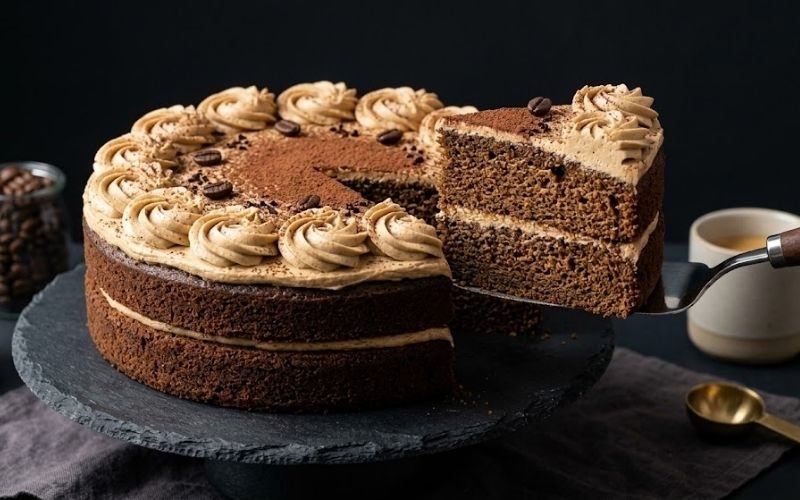
A sophisticated cake with a deep caffeine kick, perfect for adult gatherings.
- Key Ingredients: Standard Sponge Ingredients, 2 tbsp Instant Coffee dissolved in 1 tbsp Hot Water.
- Method: Follow the sponge cake method but fold the concentrated coffee liquid into the batter at the very end.
- Bake: 180°C for 30 minutes.
- High-Value Tip: Top this cake with a coffee-flavored buttercream and a sprinkle of cocoa powder to mimic the flavors of a Tiramisu.
9. Easy Vanilla Cupcakes (The Crowd Pleaser)
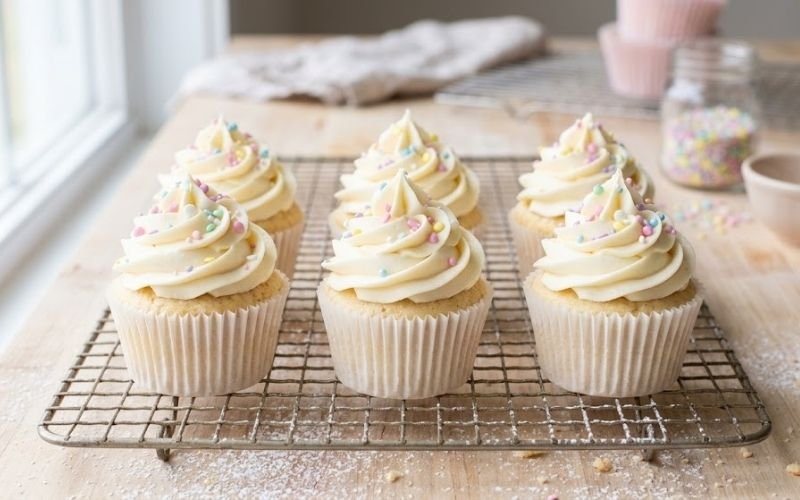
Miniature versions of the classic vanilla cake, designed for easy serving and decoration.
- Key Ingredients: 1 cup Flour, 0.5 cup Sugar, 0.5 cup Butter, 2 Eggs, 0.25 cup Milk, 1 tsp Baking Powder.
- Method: Cream butter and sugar, add eggs, then fold in flour and milk. Fill cupcake liners only 2/3 full to allow for a flat top (perfect for frosting).
- Bake: 180°C for 15–20 minutes.
- High-Value Tip: Take the cupcakes out of the metal tray as soon as they are safe to touch. Leaving them in the hot tray continues the baking process, which can dry out the bottom of the cupcakes.
Master Troubleshooting Table
| Symptom | Probable Cause | The Professional Fix |
| Cake Sunk in the Center | Under-baked or opened oven too early. | Use a toothpick to check doneness; don’t open the door before 75% of bake time. |
| Dense/Rubbery Texture | Over-mixing the flour. | Mix only until flour is just incorporated. Use a “folding” motion. |
| Cracked Top | Oven temperature too high. | Lower the temperature by 10°C and use an oven thermometer. |
| Cake Sticks to Pan | Improper greasing or too much sugar. | Use parchment paper (baking paper) on the bottom and sides. |
Storage and Serving Guide
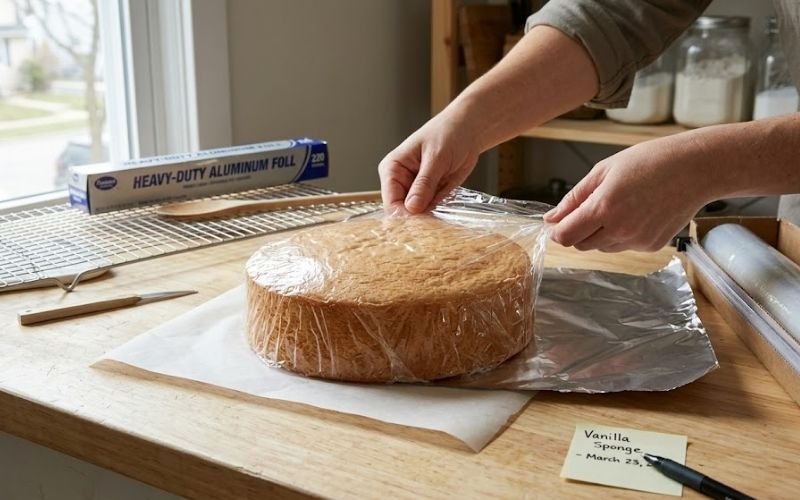
To maintain the quality of your homemade cakes, follow these storage protocols:
- Room Temperature: Sponge cakes, Butter cakes, and Fruit cakes stay fresh in an airtight container for 2–3 days.
- Refrigeration: Any cake with cream cheese frosting, fresh fruit, or cheesecake must be refrigerated. However, bring them to room temperature for 30 minutes before serving for the best flavor.
- Freezing: Most sponges can be frozen for up to 1 month. Cover them securely with plastic wrap, then add a layer of foil. Thaw overnight in the fridge.
Conclusion
Baking is a rewarding journey that blends creativity with scientific precision. By mastering these nine fundamental recipes from the airy sponge to the decadent cheesecake you equip yourself with the skills to tackle any occasion. Remember, the “secret ingredient” in professional baking is often just patience and attention to detail. So, preheat your oven, measure your ingredients with care, and start creating delicious memories in your kitchen today.
Frequently Asked Questions (FAQs)
1. Can I bake these cakes without an oven?
Yes, you can use a large pressure cooker or a heavy-bottomed pot. Place a stand inside, put your cake tin on it, and “bake” on low heat with the lid on (remove the whistle/gasket for cookers). It usually takes 10–15 minutes longer than an oven.
2. What caused my cake to become dry?
Dryness is usually caused by two things: over-baking or using too much flour. Ensure you are using the correct measurements and start checking for doneness 5 minutes before the timer ends.
3. What is the best way to substitute eggs?
For most of these recipes (except the Sponge cake which relies on eggs for air), you can use 1/4 cup of plain yogurt or a “flax egg” (1 tbsp ground flaxseeds mixed with 3 tbsp water) per egg.
4. How can I get a flat top on my cakes for easy frosting?
Avoid high temperatures that cause the center to dome. You can also use “cake strips” (damp fabric strips wrapped around the outside of the tin) to ensure the cake bakes evenly from the outside in.
5. Why did my fruits sink in the Fruit Cake?
If the batter is very runny or the fruits contain excess moisture, they may sink. Make sure to soak the fruits, dry them well, and coat them lightly with flour before mixing them into the batter.
6. Do I have to use unsalted butter?
Professional bakers usually choose unsalted butter since the salt content in salted butter can differ between brands. This gives them better control over how much salt goes into the recipe.
