Theforksy
  • Home
  • Blog
  • Recipies
    • Desserts
    • Dinners
    • Drinks
  • About Us
  • Contact Us
Theforksy
  • Home
  • Blog
  • Recipies
    • Desserts
    • Dinners
    • Drinks
  • About Us
  • Contact Us
Top Posts
The Ultimate Guide to Homemade Pasta: 3 Master...
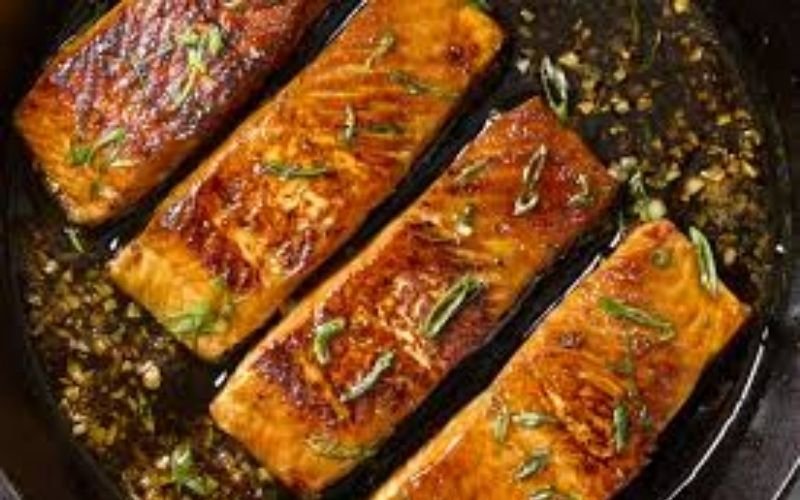
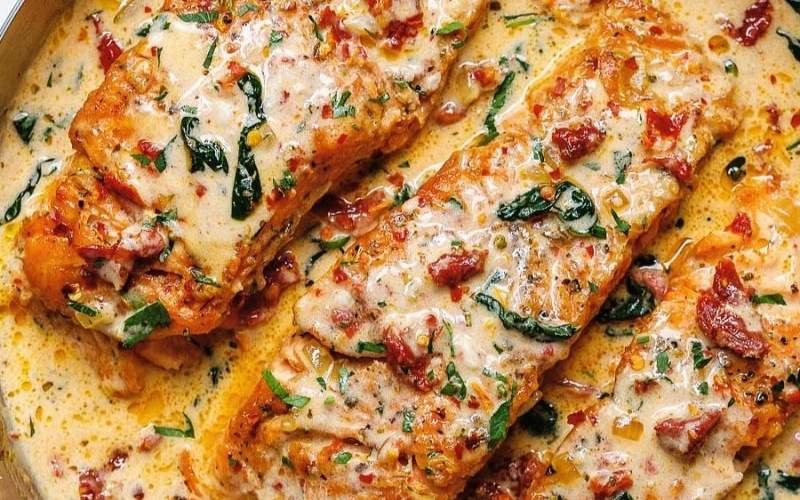
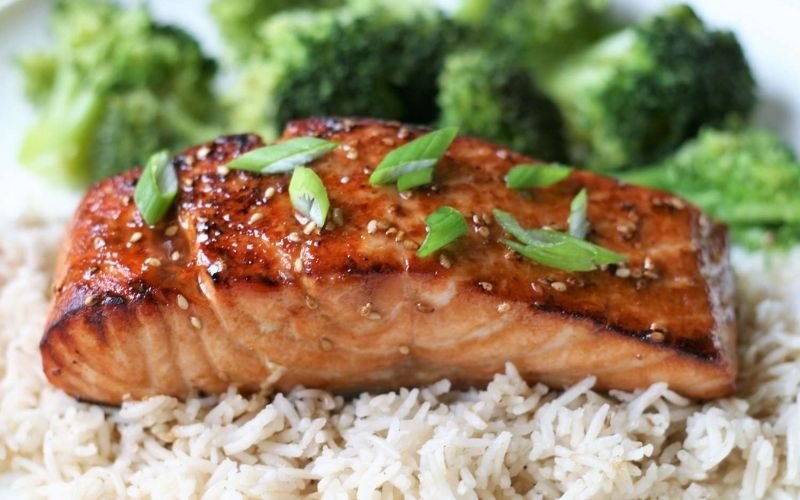
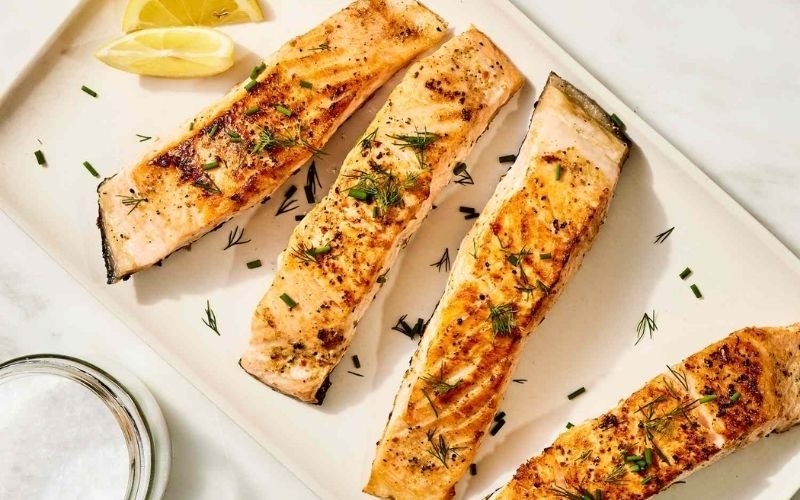
15 Best Salmon Recipes | Easy, Healthy &...
5 Best Grilled Chicken Recipes | Juicy &...
10 Top Beef Dishes: The Complete Guide to...
Guatemala Food Guide: 10 Traditional Dishes That Define...
Honduran Food: 16 Must-Try Traditional Dishes for Every...
The Ultimate Guide to Swedish Cuisine: 5 Iconic...
The Ultimate Guide to Global Favorite Foods: History,...
The Best Quick Korean Pad Thai Noodles You’ll...
The Ultimate Guide to Shredded Chicken Recipes
Theforksy
All.recipes
  • Home
  • Blog
  • Recipies
    • Desserts
    • Dinners
    • Drinks
  • About Us
  • Contact Us

@2025 – All Right Reserved. Designed and Developed by PenciDesign

best hungarian food top recipes, dishes & favorites
FoodRecipes

Best Hungarian Food: Top Recipes, Dishes & Favorites

by Arham Cheema October 4, 2025
written by Arham Cheema

Hungarian cuisine is one of the most unique in Europe, combining bold spices, hearty stews, delicious pastries, and unforgettable street foods. Known for its heavy use of paprika, sour cream, onions, and slow cooking methods, Hungarian food reflects centuries of tradition. From world-famous Goulash to sweet delights like Chimney Cake, the best Hungarian food is a mix of rustic charm and rich flavors.

In this guide, we’ll explore the best Hungarian food recipes, discover popular Hungarian foods, look at the names of Hungarian food, and list the top 10 Hungarian dishes every food lover should try.

Best Hungarian Food Recipes

best hungarian food recipes

When it comes to best Hungarian food recipes, a few dishes instantly stand out.

  • Gulyás (Goulash): The national dish of Hungary, made with beef, potatoes, onions, carrots, and paprika. Traditionally cooked in a cauldron, this soup-stew is both warming and flavorful.
  • Chicken Paprikash (Paprikás Csirke): A creamy dish prepared with chicken, paprika, and sour cream, often paired with nokedli (dumplings).
  • Lángos: A deep-fried flatbread topped with sour cream, garlic, or cheese perfect for a quick snack.
  • Rakott Krumpli (Potato Casserole): Layers of potatoes, sausage, and sour cream baked into a hearty meal.

These dishes are not only delicious but also fairly simple to cook at home, making them among the most famous Hungarian meals for families.

Popular Hungarian Foods

popular hungarian foods

Some popular Hungarian foods are staples in local households and street markets:

  • Halászlé (Fisherman’s Soup): A spicy soup made with freshwater fish and paprika, often eaten during festivals.
  • Töltött Káposzta (Stuffed Cabbage): Cabbage leaves stuffed with pork, rice, and spices, simmered in tomato sauce.
  • Kürtőskalács (Chimney Cake): A spiral pastry coated in sugar and roasted over open fire, often found at street fairs.
  • Dobos Torte: A layered sponge cake filled with chocolate buttercream and topped with caramel.

These popular Hungarian foods are not just meals they are part of the country’s traditions, served on holidays, weddings, and family gatherings.

Famous Hungarian Meals

famous hungarian meals

Hungary has many globally recognized dishes. Some famous Hungarian meals include:

  1. Goulash: A beef and paprika stew known across the world.
  2. Chicken Paprikash: A creamy chicken dish with sour cream and paprika.
  3. Pörkölt: A rich meat stew served with nokedli dumplings.
  4. Stuffed Peppers (Töltött Paprika): Sweet peppers filled with rice and pork, simmered in sauce.
  5. Somlói Galuska: A layered dessert with sponge cake, chocolate, walnuts, and whipped cream.

These meals symbolize Hungarian hospitality and culture, making them must-tries for anyone exploring Central European food.

Best Hungarian Food Dishes

best hungarian food dishes

Hungary’s cuisine is full of hearty meals. Some of the best Hungarian food dishes include:

  • Lecsó: A vegetable stew made with tomatoes, onions, and peppers.
  • Főzelék: A thick vegetable dish often served with sausages or fried meat patties.
  • Kolbász: Traditional Hungarian sausages seasoned with garlic and paprika.
  • Rakott Krumpli: A comforting potato casserole with sausage and eggs.

These dishes are rustic, filling, and deeply rooted in Hungarian culinary traditions.

Favorite Hungarian Dishes

favorite hungarian dishes

When asked about favorite Hungarian dishes, locals often mention both savory and sweet options:

  • Savory favorites: Goulash, Chicken Paprikash, Lángos.
  • Sweet favorites: Chimney Cake, Dobos Torte, Palacsinta (Hungarian pancakes).

This balance of sweet and savory makes Hungarian cuisine one of the most diverse in Europe.

Names of Hungarian Food

Understanding the names of Hungarian food helps travelers and foodies explore menus with confidence.

  • Gulyás → Goulash
  • Halászlé → Fisherman’s Soup
  • Paprikás Csirke → Chicken Paprikash
  • Lángos → Fried Flatbread
  • Töltött Káposzta → Stuffed Cabbage
  • Kürtőskalács → Chimney Cake
  • Dobos Torta → Layered Sponge Cake
  • Palacsinta → Pancakes

These names connect each dish to Hungarian history and culture.

Hungarian Food Recipes

If you want to cook Hungarian food recipes at home, start with simple ones like Lángos or Palacsinta, which require basic ingredients.

For a more advanced dish, try Pörkölt or Halászlé, which use slow-cooking techniques and bold spices. Many recipes feature paprika, sour cream, and onions—the foundation of Hungarian cooking.

Top 10 Hungarian Foods

top 10 hungarian foods

Here is a list of the top 10 Hungarian foods every food lover should try:

1. Gulyás (Goulash)

Hungary’s most famous dish, a rich stew made with beef, vegetables, and paprika, cooked slowly for deep flavor.

2. Chicken Paprikash (Paprikás Csirke)

Tender chicken in a creamy paprika sauce, traditionally served with nokedli (dumplings).

3. Lángos

A deep-fried flatbread, crispy outside and soft inside, topped with sour cream, garlic, or cheese.

4. Halászlé (Fisherman’s Soup)

A spicy fish soup flavored with paprika, a festive dish often eaten during Christmas.

5. Pörkölt

A thick, slow-cooked meat stew flavored with paprika, often paired with dumplings.

6. Stuffed Cabbage (Töltött Káposzta)

Cabbage leaves filled with rice and pork, simmered in tomato sauce—served at weddings and holidays.

7. Dobos Torte

A layered sponge cake with chocolate buttercream and caramel topping, invented in the 19th century.

8. Kürtőskalács (Chimney Cake)

A sweet pastry roasted over open fire, coated with caramelized sugar and often cinnamon or cocoa.

9. Rakott Krumpli (Potato Casserole)

A comfort food made with layers of potatoes, sausage, eggs, and sour cream, baked until golden.

10. Palacsinta (Hungarian Pancakes)

Thin pancakes filled with jam, chocolate, or cottage cheese—served sweet or savory.

This Top 10 Hungarian Foods list reflects the diversity of Hungarian cuisine, balancing soups, stews, pastries, and desserts.

Conclusion

Hungarian cuisine is a blend of tradition, flavor, and culture. From the world-famous Goulash to street food like Lángos and desserts like Dobos Torte, the best Hungarian food is both comforting and delicious.

Exploring the popular Hungarian foods, trying best Hungarian food recipes at home, and learning the names of Hungarian food connects you with a culinary tradition that has stood the test of time. Whether you’re visiting Hungary or cooking at home, these dishes will leave a lasting impression.

FAQs

Q1: What is Hungary’s most famous food?
Hungary’s most famous food is Goulash, a beef stew made with paprika.

Q2: What are the best Hungarian desserts?
Popular Hungarian desserts include Chimney Cake and Dobos Torte.

Q3: Is Hungarian food spicy?
Hungarian food is usually mildly spicy, with paprika adding flavor and heat.

Q4: What is the best Hungarian street food?
The most popular Hungarian street food is Lángos, a fried bread topped with sour cream and cheese.

Q5: Can I cook Hungarian food at home easily?
Yes, recipes like Chicken Paprikash and Palacsinta are beginner-friendly.

October 4, 2025 0 comments
0 FacebookTwitterPinterestEmail
best egyptian food
Food

Best Egyptian Food: A Culinary Journey Through Egypt’s Flavors

by Arham Cheema October 1, 2025
written by Arham Cheema

Egyptian cuisine ranks among the oldest and most diverse culinary traditions in the world. Rooted in traditions from the times of the Pharaohs, it blends Middle Eastern, Mediterranean, and African influences into a unique culinary identity. From humble street carts to elaborate family feasts, food in Egypt represents hospitality, warmth, and culture.

In this article, we will explore the best Egyptian food, including recipes, traditions, and cultural insights. Whether you’re curious about Egypt’s national dish, everyday meals, or world-famous desserts, you’ll find plenty of inspiration here.

Best Egyptian Food

best egyptian food

When we talk about the best Egyptian food, we mean dishes that every traveler or food lover should try. Egyptian cuisine is known for being hearty, affordable, and rich in flavor. Families often share large plates, making food a symbol of togetherness.

Some of the best dishes include:

  • Koshari, the national dish of Egypt
  • Ful Medames, a traditional breakfast made from fava beans
  • Molokhia, a nutrient-rich green stew
  • Mahshi, stuffed vegetables flavored with herbs
  • Umm Ali, a comforting dessert
Recipe: Egyptian Koshari
egyptian koshari

Ingredients

  • 1 cup rice
  • 1 cup brown lentils
  • 1 cup macaroni
  • 2 onions (sliced and fried until golden)
  • 2 cups tomato sauce
  • Salt, cumin, and chili to taste

Instructions

  1. Cook rice, lentils, and macaroni separately.
  2. Mix them together in a serving bowl.
  3. Pour over the tomato sauce and top with fried onions.
  4. Serve with vinegar and chili sauce.

Tip: For extra flavor, add chickpeas or a dash of garlic vinegar.

Traditional Egyptian Food

Traditional Egyptian food is deeply rooted in Egypt’s agricultural history. Farmers relied on ingredients like fava beans, wheat, garlic, and onions, which continue to be staples today. Traditional meals are simple yet full of flavor, often eaten with Aish Baladi, Egypt’s traditional bread.

Some traditional dishes include:

  • Ful Medames (slow-cooked fava beans)
  • Aish Baladi (whole-wheat pita bread)
  • Lentil soup (a warming winter favorite)
Recipe: Ful Medames
ful medames

Ingredients

  • 2 cups cooked fava beans
  • 2 tbsp olive oil
  • 2 cloves garlic (mashed)
  • 1 lemon (juiced)
  • Salt, cumin, chili flakes

Instructions

  1. Mash beans lightly and heat them with olive oil.
  2. Stir in garlic, lemon juice, and spices.
  3. Serve with bread, onions, and tomatoes.

Tip: Ful can be served plain or topped with boiled eggs for a heartier breakfast.

Classic Egyptian Food

Classic Egyptian food refers to dishes that have stood the test of time, prepared in homes and restaurants for generations. These meals are deeply tied to celebrations and family gatherings.

Two classics are:

  • Molokhia – a green leafy stew with garlic and coriander
  • Mahshi – zucchini, eggplant, or peppers stuffed with rice and herbs
Recipe: Molokhia (Jute Leaf Stew)
molokhia (jute leaf stew)

Ingredients

  • 2 cups Molokhia leaves (finely chopped)
  • 4 cups chicken or beef broth
  • 6 garlic cloves (crushed)
  • 1 tbsp ground coriander
  • 2 tbsp ghee

Instructions

  1. Heat broth and add Molokhia leaves.
  2. In a separate pan, fry garlic and coriander in ghee.
  3. Add this mixture to the soup and simmer for 5 minutes.
  4. Serve with rice or bread.

Variation: Molokhia can be cooked with chicken, beef, or even rabbit, depending on the region.

Popular Egyptian Food

Street food plays a big role in daily life, making popular Egyptian food accessible to everyone. Locals often grab quick, delicious meals from street vendors, and these dishes have become icons of Egyptian cuisine.

Popular foods include:

  • Ta’ameya (Egyptian falafel) – traditionally made with fava beans rather than chickpeas.
  • Hawawshi – bread stuffed with spiced minced meat
  • Shawarma – grilled meat wrapped in bread with tahini sauce
Recipe: Ta’ameya (Egyptian Falafel)
ta’ameya (egyptian falafel)

Ingredients

  • 2 cups soaked fava beans
  • 1 onion
  • 3 cloves garlic
  • 1 bunch parsley and cilantro
  • 1 tsp cumin
  • Oil for frying

Instructions

  1. Blend beans, onion, garlic, herbs, and spices into a paste.
  2. Shape into patties.
  3. Deep fry until golden brown.
  4. Serve with bread, tahini, and salad.

Tip: Unlike chickpea falafel, Ta’ameya is lighter and greener because of fresh herbs.

Famous Egyptian Food

Some dishes have gained international recognition as famous Egyptian food, loved worldwide. Egyptian desserts, in particular, are famous for their sweetness and festive appeal.

Highlights include:

  • Umm Ali – a bread pudding-style dessert with milk and nuts
  • Basbousa – a semolina cake soaked in syrup
  • Kunafa – shredded pastry soaked in syrup and layered with cream or cheese
Recipe: Umm Ali (Egyptian Bread Pudding)
umm ali (egyptian bread pudding)

Ingredients

  • 1 puff pastry sheet (baked and broken into pieces)
  • 2 cups milk
  • ½ cup sugar
  • ½ cup nuts (pistachios, almonds, raisins)
  • ½ tsp cinnamon

Instructions

  1. Place pastry pieces in a baking dish.
  2. Pour warm milk mixed with sugar over them.
  3. Add nuts and cinnamon.
  4. Bake at 180°C for 20 minutes.
  5. Serve warm.

Tip: For extra richness, use cream instead of milk.

Authentic Egyptian Food

authentic egyptian food

Authentic Egyptian food stays true to local traditions and regional specialties. These recipes are often slow-cooked and deeply connected to celebrations.

Authentic dishes include:

  • Hamam Mahshi (stuffed pigeon)
  • Feseekh (fermented fish, eaten on Sham El-Nessim festival)
  • Roz Bel Laban (creamy rice pudding)

These foods may not be found everywhere but are an important part of Egypt’s cultural identity.

Typical Egyptian Food

typical egyptian food

Typical Egyptian food is what families eat every day. Meals are simple, wholesome, and filling.

  • Breakfast: Ful Medames, Ta’ameya, bread, cheese, and tea
  • Lunch: Koshari, Molokhia, or stuffed vegetables
  • Dinner: Bread, salads, cheese, and light stews

This daily food routine shows how Egyptians balance taste, tradition, and affordability in their diets.

Egyptian Food Culture & Dining Traditions

Food in Egypt is more than just nourishment — it’s a way of bringing people together. Meals are usually shared from a large plate, symbolizing unity. Family gatherings, weddings, and religious festivals like Ramadan feature generous spreads of food.

Hospitality is central to Egyptian culture, and guests are always offered food and drink. Street food is equally important, creating a lively food culture where locals and tourists enjoy the same flavors.

Must-Try Egyptian Street Foods & Desserts

If you visit Egypt, don’t miss these:

  • Street Foods: Koshari, Ta’ameya, Hawawshi, Shawarma
  • Desserts: Umm Ali, Basbousa, Kunafa, Qatayef (stuffed pancakes)

These foods represent the heart of Egyptian culture, available everywhere from bustling Cairo streets to small village bakeries.

Conclusion

Egyptian cuisine is a beautiful mix of history, tradition, and hospitality. From classic dishes like Molokhia to popular street foods like Ta’ameya and famous desserts like Umm Ali, there’s something for every palate.

Whether you cook these dishes at home or experience them in Egypt, you’ll discover flavors that connect people, celebrate culture, and honor centuries-old traditions. If you’re exploring the best Egyptian food, these recipes and dishes are the perfect start to your journey.

FAQs

Q1. What is the national dish of Egypt?
The national dish is Koshari, a mix of rice, lentils, pasta, tomato sauce, and fried onions.

Q2. What is a typical Egyptian breakfast?
A traditional breakfast includes Ful Medames, Ta’ameya (falafel), bread, and tea.

Q3. Is Egyptian food spicy?
It uses spices like cumin and coriander but is usually mild and aromatic, not overly hot.

Q4. What desserts are famous in Egypt?
Famous desserts include Umm Ali, Basbousa, Kunafa, and Qatayef.

Q5. What is the difference between classic and authentic Egyptian food?
Classic dishes are timeless favorites across Egypt, while authentic food highlights regional specialties and traditional cooking methods.

Q6. Can Egyptian food be made at home?
Yes, recipes like Koshari, Ful Medames, and Umm Ali are simple to make with basic ingredients.

October 1, 2025 0 comments
0 FacebookTwitterPinterestEmail
baby food recipes
Recipes

Baby Food Recipes: Nutritious & Easy Meals for Every Stage

by Arham Cheema September 30, 2025
written by Arham Cheema

Feeding your baby is one of the most important journeys in parenthood. The right food not only helps your little one grow healthy but also builds their taste and eating habits for life. Many parents worry about what to feed their babies, when to start solids, and how to prepare safe, nutritious meals.

This article will guide you through a wide variety of homemade baby food recipes, organized by age and stage of development. From smooth purees for beginners to finger foods for toddlers, you’ll find recipes that are easy to prepare, nutritious, and baby-approved.

Stage 1 Baby Food Recipes (4–6 Months) – Simple Purees

simple purees

At this stage, babies are usually starting solids and should begin with smooth, single-ingredient purees.

1. Apple Puree
  • Ingredients: 1 apple, ½ cup water
  • Instructions: Peel and chop apple. Steam until soft, then blend into a smooth puree. Add a little water if needed.
2. Carrot Puree
  • Ingredients: 2 small carrots, water
  • Instructions: Steam or boil carrots until soft. Blend with water until smooth.
3. Banana Mash
  • Ingredients: 1 ripe banana
  • Instructions: Mash banana with a fork until smooth. Serve immediately (no cooking needed).
4. Sweet Potato Puree
  • Ingredients: 1 medium sweet potato
  • Instructions: Bake or steam sweet potato, scoop flesh, and puree until smooth.
5. Pear Puree
  • Ingredients: 1 pear
  • Instructions: Peel, steam, and blend into a smooth puree.

Stage 2 Baby Food Recipes (6–8 Months) – Flavorful Combos

flavorful combos

Babies at this stage can handle thicker textures and mixed flavors.

6. Apple & Carrot Puree
  • Ingredients: 1 apple, 1 carrot
  • Instructions: Steam both together, then blend into a smooth or slightly textured puree.
7. Banana & Avocado Mash
  • Ingredients: ½ banana, ½ avocado
  • Instructions: Mash together until creamy.
8. Rice Cereal with Breast Milk or Formula
  • Ingredients: 2 tbsp rice cereal, ½ cup breast milk or formula
  • Instructions: Mix well and serve warm.
9. Pumpkin & Sweet Potato Puree
  • Ingredients: ½ cup pumpkin, ½ sweet potato
  • Instructions: Steam and blend into a smooth puree.
10. Oatmeal with Fruit
  • Ingredients: 2 tbsp oats, ½ banana or apple
  • Instructions: Cook oats, add mashed fruit, blend into a soft porridge.

Stage 3 Baby Food Recipes (8–12 Months) – Textured & Finger Foods

textured & finger foods

At this age, babies start chewing and can handle more textures.

11. Mashed Lentils with Rice
  • Ingredients: 2 tbsp lentils, 2 tbsp rice
  • Instructions: Cook together until soft, mash with a fork, and serve warm.
12. Soft Vegetable Khichdi
  • Ingredients: 2 tbsp rice, 1 tbsp lentils, small carrot, few peas
  • Instructions: Cook all together until very soft. Mash lightly.
13. Chicken & Veggie Puree
  • Ingredients: Small piece of chicken breast, carrot, potato
  • Instructions: Boil until tender, shred chicken, blend with veggies into a thick puree.
14. Egg Yolk Mash
  • Ingredients: 1 boiled egg yolk, little breast milk
  • Instructions: Mash yolk and mix with milk to soften.
15. Soft Fruit Cubes (Finger Food)
  • Ingredients: Mango, papaya, ripe pear, soft banana
  • Instructions: Cut into small bite-sized cubes for self-feeding.

Toddler-Friendly Recipes (12+ Months)

Toddlers can eat a wide variety of foods, but meals should still be soft, healthy, and easy to chew.

16. Mini Vegetable Pancakes
  • Ingredients: ½ cup grated zucchini, ½ cup grated carrot, 1 egg, 2 tbsp flour
  • Instructions: Mix all, cook small pancakes on a non-stick pan until golden.
17. Soft Pasta with Veggie Sauce
  • Ingredients: Small pasta, tomato, carrot, zucchini
  • Instructions: Cook pasta until soft. Make a simple veggie sauce and mix.
18. Mashed Potato with Spinach
  • Ingredients: 1 potato, handful spinach
  • Instructions: Boil potato and spinach. Mash together with a little butter.
19. Chicken & Rice Soup
  • Ingredients: Chicken broth, rice, carrot, small chicken pieces
  • Instructions: Cook everything until very soft. Serve warm.
20. Yogurt with Fruit
  • Ingredients: ½ cup plain yogurt, mashed banana or berries
  • Instructions: Mix and serve as a healthy snack.

Tips for Preparing Baby Food Safely

  • Always wash hands, utensils, and vegetables properly.
  • Avoid salt, sugar, and strong spices for babies under 1 year.
  • Introduce one new food at a time to check for allergies.
  • Store purees in small portions and refrigerate for up to 24 hours.
  • Use fresh, seasonal fruits and vegetables.

Baby Meal Planning Ideas

A simple weekly plan makes feeding stress-free:

  • Breakfast: Fruit puree or cereal with milk
  • Lunch: Vegetable puree, khichdi, or rice with lentils
  • Snack: Banana, yogurt, or avocado mash
  • Dinner: Soft porridge, mashed potatoes, or soup

Rotate recipes to keep meals exciting and balanced.

Conclusion

Feeding your baby doesn’t have to be complicated. With simple ingredients and a little preparation, you can create healthy, delicious meals at home. From smooth purees for early months to finger foods for toddlers, every stage can be filled with variety and nutrition. These recipes not only support growth but also help develop a love for wholesome foods from the very beginning.

FAQs

1. When should I start solid foods for my baby?
Most babies can start solids at around 6 months, but always check with your pediatrician.

2. Can I add salt or sugar to baby food?
No. Avoid salt and sugar for babies under 1 year as their kidneys and taste buds are still developing.

3. How can I store homemade baby food?
Store in airtight containers in the refrigerator for up to 24 hours, or freeze in small portions.

4. What foods should I avoid for babies?
Avoid honey (before 1 year), whole nuts, cow’s milk as a drink, salty or spicy foods, and choking hazards.

5. Can I introduce meat and eggs?
Yes, from around 8 months you can introduce well-cooked meats and mashed egg yolk.

6. How do I know if my baby is allergic to a food?
Introduce one new food at a time and watch for signs like rash, vomiting, or diarrhea. If they appear, stop the food and consult a doctor.

September 30, 2025 0 comments
0 FacebookTwitterPinterestEmail
best indonesian food
Food

Best Indonesian Food: A Complete Guide to Famous, Traditional & Authentic Dishes

by Arham Cheema September 29, 2025
written by Arham Cheema

Indonesia, the world’s largest archipelago, is not only famous for its breathtaking landscapes but also for its diverse and flavorful cuisine. With over 17,000 islands and hundreds of ethnic groups, Indonesia offers a rich food culture where every region brings something unique to the table. From traditional Indonesian food to authentic street delicacies, and even Chinese Indonesian food, this guide will introduce you to the best Indonesian food that every traveler and food lover must try.

In this article, we’ll explore the most famous Indonesian food, traditional dishes, cultural influences, popular desserts, and even easy Indonesian food recipes you can make at home.

The Richness of Indonesian Food Culture

Indonesian food culture is a fusion of history, geography, and tradition. The cuisine has been shaped by centuries of trade with China, India, the Middle East, and Europe. Each island and province adds its own twist to Indonesian dishes, making the country’s food incredibly diverse.

  • Spices and herbs like lemongrass, galangal, turmeric, and coconut milk are the backbone of most dishes.
  • Meals often balance sweet, spicy, sour, and savory flavors.
  • Rice is a staple food, served with curries, stir-fries, or grilled meats.

Whether you’re exploring the bustling streets of Jakarta or the beaches of Bali, you’ll find everything from street snacks to fine-dining delicacies.

Famous Indonesian Food You Must Try

famous indonesian food

If you’re visiting Indonesia for the first time, here are some of the most famous dishes loved by locals and tourists alike:

  1. Nasi Goreng – Often called Indonesia’s national dish, this flavorful fried rice is cooked with sweet soy sauce, chili, garlic, and topped with a fried egg.
  2. Satay (Sate) – Tender skewered meat grilled to perfection and served with a creamy, flavorful peanut sauce. It’s smoky, savory, and slightly sweet.
  3. Rendang – Originating from West Sumatra, this slow-cooked beef stew is simmered in coconut milk and spices until tender.
  4. Gado-Gado – A healthy salad of steamed vegetables, tofu, and peanut dressing.
  5. Bakso – Indonesian meatball soup, often served with noodles and a flavorful broth.
  6. Mie Goreng – Stir-fried noodles with vegetables, chicken, or seafood.

These dishes represent the heart of famous Indonesian food, combining rich flavors and comforting textures.

Traditional Indonesian Food

traditional indonesian food

Traditional Indonesian food varies from island to island, but some classic dishes stand out:

  • Soto Ayam: A fragrant chicken soup with turmeric broth, rice noodles, and herbs.
  • Nasi Padang: A feast of small plates including rendang, sambal, and vegetables.
  • Tempeh & Tofu Dishes: Soy-based protein sources, often fried or cooked in sweet soy sauce.
  • Pecel: Vegetables with spicy peanut sauce, similar to gado-gado but spicier.

Traditional meals often highlight authentic Indonesian food techniques such as slow cooking, fermentation, and grilling over charcoal for a smoky flavor.

Authentic Indonesian Food & Regional Highlights

authentic indonesian food

Authentic Indonesian food reflects the country’s diverse regions:

  • Bali: Famous for Babi Guling (roast pig) and Bebek Betutu (slow-cooked duck).
  • Java: Sweet flavors dominate dishes like Gudeg (jackfruit stew).
  • Sumatra: Home to fiery curries and Rendang.
  • Sulawesi: Known for seafood dishes like Ikan Woku (spicy fish).

Each region uses local spices and cooking methods, making every dish uniquely Indonesian.

Chinese Indonesian Food Fusion

chinese indonesian food

Indonesia’s food culture has been influenced by centuries of Chinese migration, creating a unique Chinese Indonesian food category.
Popular examples include:

  • Bakmi: Noodles served with chicken or pork, often with a soy-based sauce.
  • Lumpia: Indonesian-style spring rolls filled with vegetables and meat.
  • Cap Cay: Stir-fried vegetables with chicken or seafood.

This fusion blends Chinese cooking techniques with Indonesian spices, resulting in bold and flavorful dishes.

Dessert Indonesian Food You Can’t Miss

dessert indonesian food

Indonesian desserts are colorful, sweet, and often made with tropical ingredients like coconut, palm sugar, and pandan leaves. Must-try dessert Indonesian food includes:

  1. Klepon – Sticky rice balls filled with palm sugar and coated in grated coconut.
  2. Es Cendol – A refreshing drink with green rice flour jelly, coconut milk, and palm sugar syrup.
  3. Dadar Gulung – Soft green pandan crepes filled with sweet coconut.
  4. Pisang Goreng – Crispy fried bananas, often served with chocolate or cheese.

These desserts perfectly balance sweetness with rich textures, making them a delightful end to any meal.

Easy Indonesian Food Recipes to Try at Home

Want to bring Indonesian flavors to your kitchen? Here are a few easy Indonesian food recipes you can try:

  • Nasi Goreng: Fry cooked rice with soy sauce, garlic, chili, and scrambled eggs.
  • Satay Chicken Skewers: Marinate chicken in soy sauce, garlic, and spices before grilling.
  • Gado-Gado: Steam vegetables, prepare a simple peanut sauce, and mix.

These recipes use simple ingredients and require minimal cooking skills, allowing you to enjoy authentic Indonesian flavors at home.

Conclusion

Indonesia’s cuisine is a celebration of culture, tradition, and flavor. From the rich spices of traditional Indonesian food to the modern twist of Chinese Indonesian food, every dish tells a story. Whether you’re savoring the world-famous Nasi Goreng, indulging in sweet desserts like Klepon, or trying easy home recipes, the best Indonesian food offers something for every palate.

If you’re a food lover, exploring Indonesian dishes is like taking a journey through the country’s vibrant history and diverse regions—one bite at a time.

FAQs About Best Indonesian Food

1. What is the most famous Indonesian food?
Nasi Goreng (fried rice) is considered the most famous Indonesian food, loved for its savory and slightly sweet flavor.

2. What are some traditional Indonesian dishes?
Traditional dishes include Soto Ayam, Nasi Padang, Rendang, and Gado-Gado.

3. Is Indonesian food spicy?
Yes, many dishes use chili and spices, but spice levels can be adjusted to taste.

4. What is Chinese Indonesian food?
It’s a fusion of Chinese cooking techniques with Indonesian ingredients, such as Bakmi (noodles) and Lumpia (spring rolls).

5. What are some popular Indonesian desserts?
Popular desserts include Klepon, Es Cendol, Dadar Gulung, and Pisang Goreng.

6. Can I cook Indonesian food at home?
Absolutely! Dishes like Nasi Goreng, Satay, and Gado-Gado are easy to prepare with basic ingredients.

September 29, 2025 0 comments
0 FacebookTwitterPinterestEmail
untitled design (40)
Food

Food Trivia: Fun Facts Every Food Lover Should Know

by Arham Cheema September 28, 2025
written by Arham Cheema

Food isn’t just about tasten it’s a journey full of stories, science, and surprises. Every dish has a background, every ingredient has a hidden fact, and sometimes those facts are so quirky that they make us smile.

That’s where food trivia comes in! It brings out the most interesting, fun, and shocking facts about food that we eat every day. Whether you’re a food blogger, a quiz lover, or just curious, these food trivia facts and questions will make you look at your meals in a whole new way.

Interesting Food Trivia Facts

1. Pizza’s Popularity

Every second, about 350 slices of pizza are eaten in the U.S. making it one of the most loved foods worldwide.

2. Honey Never Spoils

Honey found in ancient Egyptian tombs (over 3,000 years old) was still safe to eat.

3. The Sandwich Origin

The sandwich is named after John Montagu, the Earl of Sandwich, who loved eating bread with meat while playing cards.

4. Bananas Are Berries

Surprisingly, bananas are classified as berries but strawberries are not!

5. The First Chocolate Bar

The first chocolate bar was created in the 1800s by Cadbury in England.

6. World’s First Drive-Thru

Before McDonald’s, the first drive-thru was Red’s Giant Hamburg in 1947.

Why Food Trivia Matters

  • Makes food more fun and engaging
  • Connects us with history and culture
  • Great for games, ice-breakers, and blogs
  • Inspires curiosity about what we eat

Quick Table: Fun Food Trivia

Food ItemFun Fact
HoneyNever spoils, even after 3,000 years
BananaBotanically a berry
Pizza350 slices eaten per second in the U.S.
SandwichNamed after Earl of Sandwich
ChocolateFirst bar made by Cadbury in the 1800s

Top 10 Fun Food Trivia Questions with Answers

1. Which food never spoils?

Honey 🍯

2. Which fruit is technically a berry?

Banana 🍌 (not strawberry!)

3. Where was pizza invented?

Naples, Italy 🇮🇹

4. Which country eats the most chocolate?

Switzerland 🇨🇭

5. What was the first fast-food chain?

White Castle 🍔 (1921)

6. What nut is used to make marzipan?

Almonds 🌰

7. What is the main ingredient in miso soup?

Fermented soybeans (miso paste) 🍲

8. Which vegetable was first grown in space?

Potato 🥔

9. What drink was first made as medicine in 1886?

Coca-Cola 🥤

10. Which food is the most stolen worldwide?

Cheese 🧀

Conclusion

Food trivia proves that eating is about much more than flavor it’s about stories, history, science, and fun. From honey that never spoils to pizza’s global fame, these facts remind us how exciting the world of food really is.

With quizzes and trivia, you can turn any meal into a fun learning experience. So, next time you’re with friends or family, share a food fact you might just surprise everyone at the table!

FAQs

Q1: What is food trivia?
Food trivia is a collection of fun and surprising facts about foods, their history, and culture.

Q2: Why is food trivia so popular?
Because it’s entertaining, educational, and easy to share in blogs, games, or social media.

Q3: What are some surprising food facts?
Bananas are berries, honey never spoils, and cheese is the world’s most stolen food.

Q4: Who invented the sandwich?
It was named after John Montagu, the Earl of Sandwich, in the 1700s.

Q5: What is the oldest food still eaten today?
Honey—archaeologists found jars thousands of years old that were still edible.

Q6: Can food trivia be used for blogs and social media?
Yes! Short, fun food trivia makes for highly shareable and engaging content.

September 28, 2025 0 comments
0 FacebookTwitterPinterestEmail
untitled design (33)
Food

Blue Foods: Nutritious, Unique, and Naturally Beautiful

by Arham Cheema September 27, 2025
written by Arham Cheema

When it comes to colorful eating, blue foods stand out for their uniqueness and health benefits. Unlike green or red foods, naturally blue foods are rare, but they are rich in antioxidants, vitamins, and minerals.

From blueberries to blue corn and spirulina, these foods are not only visually striking but also packed with nutrients that support heart health, brain function, and overall wellness.

What Are Blue Foods?

untitled design (34)

Blue foods are naturally occurring fruits, vegetables, and plants that have a blue or purple hue due to compounds like anthocyanins (a powerful antioxidant). These pigments not only give the food its color but also provide health-protective benefits.

Examples of Blue Foods

1. Blueberries
  • Rich in antioxidants and Vitamin C
  • Boost brain health and support immunity
2. Blue Corn
  • Used in tortillas and chips
  • Higher in protein and antioxidants compared to yellow corn
3. Blue Potatoes
  • Contain anthocyanins that may lower blood pressure
  • A colorful alternative to regular potatoes
4. Butterfly Pea Flower
  • Used in teas and drinks for its vibrant blue color
  • Known for anti-aging and calming properties
5. Spirulina (Blue-Green Algae)
  • A superfood high in protein, iron, and antioxidants
  • Commonly consumed in smoothies and supplements
6. Blue Cheese
  • Fermented cheese with blue mold veins
  • Rich in calcium and probiotics (should be eaten in moderation)

Health Benefits of Blue Foods

Rich in antioxidants
Supports heart & brain health
Improves skin and immunity
Fights inflammation
Boosts energy

🍽️ Top 5 Blue Food Recipes

1. Blueberry Smoothie
untitled design (35)

Ingredients:

  • 1 cup fresh blueberries
  • 1 banana
  • 1 cup Greek yogurt
  • ½ cup almond milk

Instructions:

A refreshing breakfast or snack!

Blend all ingredients until smooth.

Serve chilled.

2. Blue Corn Tortilla Chips with Salsa
untitled design (36)

Ingredients:

  • Blue corn tortillas
  • Olive oil spray
  • Salt (to taste)

Instructions:

  1. Cut tortillas into triangles.
  2. Brush with olive oil and sprinkle salt.
  3. Bake at 180°C for 10–12 minutes until crispy.
  4. Serve with salsa or guacamole.
3. Mashed Blue Potatoes
untitled design (37)

Ingredients:

  • 4 blue potatoes (boiled)
  • 2 tbsp butter
  • ¼ cup milk
  • Salt & pepper to taste

Instructions:

  1. Mash boiled potatoes with butter and milk.
  2. Add salt and pepper.
  3. A colorful twist to classic mashed potatoes!
4. Butterfly Pea Flower Tea
untitled design (38)

Ingredients:

  • 5–6 dried butterfly pea flowers
  • 1 cup hot water
  • Honey & lemon (optional)

Instructions:

  1. Steep flowers in hot water for 5 minutes.
  2. Add honey for sweetness.
  3. Add lemon juice to watch the tea turn purple!
5. Spirulina Energy Balls
untitled design (39)

Ingredients:

  • 1 cup oats
  • 2 tbsp peanut butter
  • 2 tbsp honey
  • 1 tsp spirulina powder

Instructions:

  1. Mix oats, peanut butter, honey, and spirulina.
  2. Roll into small balls.
  3. Refrigerate for 1 hour before serving.

Quick Table: Blue Foods & Benefits

Blue FoodKey NutrientsMain Health Benefit
BlueberriesVitamin C, AnthocyaninsBrain & immune support
Blue CornProtein, FiberEnergy & digestive health
Blue PotatoesAnthocyanins, PotassiumHeart health, blood pressure
Butterfly Pea TeaAntioxidants, FlavonoidsRelaxation, skin health
SpirulinaProtein, Iron, B12Energy & immunity boost
Blue CheeseCalcium, ProbioticsBone & gut health

Conclusion

Blue foods are not just rare and beautiful but also nutrient-rich powerhouses. From fresh blueberries to spirulina and butterfly pea tea, these foods support your heart, brain, skin, and overall immunity.

By adding recipes like blueberry smoothies, blue corn chips, mashed blue potatoes, butterfly pea tea, and spirulina energy balls, you can make your diet both healthy and exciting.

FAQs

Q1: Why are some foods naturally blue?
They contain anthocyanins, natural antioxidants that give them a blue color.

Q2: What are some common blue foods?
Blueberries, blue corn, blue potatoes, butterfly pea flower, spirulina, and blue cheese.

Q3: Are blue foods good for health?
Yes, they are rich in antioxidants, vitamins, and minerals that protect against diseases.

Q4: Can blue foods help with memory and brain health?
Yes, blueberries and other anthocyanin-rich foods improve memory and brain function.

Q5: How can I use spirulina in recipes?
Add it to smoothies, energy balls, or juices for a nutrient boost.

Q6: Is blue cheese healthy?
In moderation, yes—it provides calcium and probiotics but is high in fat and sodium.

September 27, 2025 0 comments
0 FacebookTwitterPinterestEmail
untitled design (29)
Fast food

Healthiest Fast Food: Smart Choices for a Better Lifestyle

by Arham Cheema September 27, 2025
written by Arham Cheema

Fast food is often labeled as unhealthy, greasy, and high in calories. But the truth is, many restaurants now offer lighter, nutritious alternatives. With smart choices, you can enjoy fast food without guilt.

This guide will cover the healthiest fast food items, eating tips, and top chains offering nutritious meals.

What Makes Fast Food “Healthy”?

untitled design (30)

A healthy fast food option usually includes:

  • Fewer calories (around 300–600 per meal)
  • High protein (supports muscles and energy)
  • Fiber-rich veggies and whole grains
  • Healthy fats (avocado, olive oil, nuts)
  • Limited sugar & sodium

Healthiest Fast Food Options

untitled design (31)
1. Grilled Chicken Sandwich

Light, protein-packed, and filling—skip the fries, add a salad.

2. Salad Bowls with Lean Protein

Chicken, turkey, or beans with extra veggies and light dressing.

3. Burrito Bowl (No Tortilla)

Brown rice, beans, grilled chicken, salsa—skip sour cream and cheese.

4. Grilled Fish Tacos

Rich in omega-3s, especially when paired with corn tortillas and veggies.

5. Veggie Burgers

Plant-based, fiber-rich, and a great swap for beef burgers.

6. Subway-Style Sandwiches

Whole-grain bread, lean meats, and veggies make a balanced meal.Top 5 Fast Food Chains with Healthy Options

Top 5 Fast Food Chains with Healthy Options

untitled design (32)
1. Subway
  • Famous for customizable sandwiches.
  • Opt for whole grain bread, turkey, chicken, or tuna, with lots of vegetables.
2. Chipotle
  • Known for burrito bowls that can be made healthy.
  • Choose brown rice, beans, grilled chicken, and fresh salsa.
3. Panera Bread
  • Offers soups, salads, and grain bowls.
  • Try the Mediterranean Veggie Sandwich or Chicken Caesar Salad.
4. Chick-fil-A
  • Not just fried chicken!
  • Their Grilled Chicken Sandwich and Grilled Nuggets are protein-packed options.
5. Starbucks

Try the Spinach Feta Wrap or Egg White Bites for a lighter meal.

Beyond coffee, they have protein boxes, wraps, and oatmeal.

Tips for Eating Healthier Fast Food

Choose grilled over fried
Replace soda with water or unsweetened tea
Add extra vegetables
Watch portion sizes (avoid upsizing)
Skip creamy sauces and cheese

Quick Table: Healthiest Fast Food Choices

ItemCalories (Approx.)Key Benefits
Grilled Chicken Sandwich350–400High protein, low fat
Salad with Chicken/Beans300–450Fiber, protein, vitamins
Burrito Bowl400–500Balanced carbs, lean protein
Grilled Fish Tacos350–400Omega-3, protein, fresh taste
Veggie Burger350–450Plant protein, fiber
Subway Turkey Sandwich320–400Lean protein, high fiber

Conclusion

Fast food doesn’t always have to be unhealthy. By choosing wisely, you can enjoy meals that are tasty, filling, and nutritious. Options like grilled chicken, burrito bowls, and veggie burgers make fast food guilt-free.

Top chains like Subway, Chipotle, Panera, Chick-fil-A, and Starbucks now provide healthier menus for people who want quick yet balanced meals.

The key is simple: choose grilled, add veggies, control portions, and skip the soda.

FAQs

Q1: What is the healthiest fast food option?
Grilled chicken sandwiches, salad bowls, and burrito bowls are some of the healthiest choices.

Q2: Can fast food be eaten while dieting?
Yes, if you select low-calorie, high-protein meals and avoid fried or sugary items.

Q3: Which fast food is good for weight loss?
Burrito bowls, grilled chicken, and veggie-packed sandwiches are great for weight loss.

Q4: Which fast food chain is healthiest?
Subway, Chipotle, Panera, Chick-fil-A, and Starbucks offer some of the healthiest fast food meals.

Q5: How can I make fast food healthier?
Choose grilled, add vegetables, avoid upsizing, and replace soda with water.

Q6: Are veggie burgers a healthy choice?
Yes, veggie burgers are lower in fat than beef burgers and provide fiber and plant protein.

September 27, 2025 0 comments
0 FacebookTwitterPinterestEmail
untitled design (26)
Food

Hog Jowl Food: A Traditional Southern Delight

by Arham Cheema September 26, 2025
written by Arham Cheema

When it comes to traditional Southern comfort food, few dishes are as iconic as hog jowl. Made from the cheek of a pig, hog jowl is a flavorful cut of pork that has been enjoyed for centuries. It is often fried, smoked, or baked—and is especially popular on New Year’s Day for bringing good luck.

Let’s explore the cultural roots, cooking methods, and tasty recipes of this Southern classic.

What is Hog Jowl?

untitled design (25)

Hog jowl is the cheek meat of a pig, usually cut into thick slices. It is similar to bacon but has its own distinct texture and smoky taste.

  • Texture: Chewy yet tender
  • Flavor: Rich, salty, and smoky
  • Uses: Fried, smoked, baked, or as seasoning meat

Cultural Significance

  • A staple in Southern U.S. cuisine
  • Traditionally eaten on New Year’s Day with black-eyed peas and collard greens (symbolizing luck & prosperity)
  • Represents farm-to-table traditions of using the whole animal
  • Still enjoyed as part of soul food cooking

Popular Ways to Cook Hog Jowl

  1. Fried Hog Jowl – sliced thin and pan-fried like bacon
  2. Smoked Hog Jowl – slow-smoked for deep flavor, used in beans and soups
  3. Baked Hog Jowl – oven-roasted with spices until tender
  4. Hog Jowl with Greens – simmered with collard or turnip greens

Classic Fried Hog Jowl

untitled design (27)

Ingredients:

  • 1 lb hog jowl (sliced thin)
  • A pinch of black pepper
  • Optional: garlic powder or paprika

Instructions:

  1. Heat a skillet over medium-high heat.
  2. Place hog jowl slices in the skillet (no oil needed, as it releases fat).
  3. Cook until crispy and golden brown (about 4–5 minutes on each side).
  4. Drain on paper towels and sprinkle with black pepper.
  5. Serve with biscuits, eggs, or grits for a Southern-style breakfast.

Smoked Hog Jowl

untitled design (28)

Ingredients:

  • 1 whole hog jowl (about 1–2 lbs)
  • 2 tbsp salt
  • 1 tbsp brown sugar
  • 1 tsp black pepper
  • Optional: paprika or chili flakes for spice

Instructions:

  1. Rub the hog jowl with salt, sugar, and spices.
  2. Preheat smoker to 225°F (107°C).
  3. Place hog jowl inside and smoke for 2–3 hours until tender and smoky.
  4. Slice thin and serve, or use it to season beans, soups, and collard greens.

Health & Nutrition

Hog jowl is tasty but should be enjoyed in moderation:

  • High in fat & sodium
  • Good source of protein
  • Provides iron and B vitamins

Quick Table: Hog Jowl Cooking Styles

MethodFlavor & TextureBest Served With
FriedCrispy, bacon-likeEggs, biscuits, grits
SmokedDeep, rich, smoky flavorBeans, collard greens, soups
BakedTender, spicedMashed potatoes, cornbread
StewedSoft, juicyRice, casseroles, vegetable soups

Conclusion

Hog jowl is a Southern classic with deep cultural roots. From crispy fried slices to smoky seasoning for beans and greens, it adds flavor, tradition, and soul to every dish.

Whether you try it for breakfast, cook it for New Year’s luck, or smoke it for rich flavor, hog jowl will always remain a symbol of Southern comfort food.

FAQs

Q1: What part of the pig is hog jowl?
It is the cheek meat of a pig, rich in flavor and similar to bacon.

Q2: Why is hog jowl eaten on New Year’s Day?
In Southern tradition, it symbolizes luck and prosperity when served with peas and greens.

Q3: How do you cook hog jowl?
It can be fried, smoked, baked, or simmered with beans and greens.

Q4: Is hog jowl the same as bacon?
No, bacon comes from the belly while hog jowl comes from the cheek, though both are cured pork.

Q5: Can hog jowl be used as seasoning?
Yes, smoked hog jowl is often added to soups, beans, and greens for flavor.

Q6: Is hog jowl healthy?
It is high in fat and sodium, so best eaten in moderation, but it provides protein and essential nutrients.

September 26, 2025 0 comments
0 FacebookTwitterPinterestEmail
untitled design (19)
Food

Food Palette: The Art of Colors on Your Plate

by Arham Cheema September 26, 2025
written by Arham Cheema

Food is not just about taste it is also about visual appeal, texture, and nutrition. A colorful plate looks inviting, improves appetite, and makes meals more enjoyable. This artistic arrangement of food is called a food palette.

Just like an artist paints with colors, chefs and home cooks create delicious artwork with food. A well-balanced food palette ensures that your meal is both nutritious and beautiful.

What is a Food Palette?

untitled design (20)

A food palette is the thoughtful combination of colors, textures, and flavors on a plate. It ensures:

  • A beautiful presentation
  • Balanced nutrition
  • Variety in taste
  • A memorable dining experience

The Importance of a Food Palette

  1. Attractive Presentation – A colorful plate excites the eyes before the taste buds.
  2. Balanced Nutrition – Different colors = different nutrients.
  3. Boosts Appetite – Bright colors and textures encourage better eating.
  4. Encourages Healthy Eating – Adding multiple colors means adding multiple vitamins.
  5. Adds Creativity – Every plate becomes a piece of art.

The Colors of a Food Palette and Their Benefits

  • Red Foods – (Tomatoes, strawberries, cherries) → Heart health & skin glow.
  • Orange Foods – (Carrots, oranges, pumpkin) → Strong immunity & better vision.
  • Yellow Foods – (Bananas, corn, pineapple) → Energy & digestion.
  • Green Foods – (Spinach, broccoli, kiwi) → Detox & stronger bones.
  • Purple/Blue Foods – (Blueberries, eggplant, grapes) → Brain health & memory.
  • White/Brown Foods – (Rice, potatoes, mushrooms) → Energy & gut support.

Tips for Creating a Beautiful Food Palette

  • Add at least 3–4 colors to every meal.
  • Mix textures: soft + crunchy, creamy + crispy.
  • Use herbs and garnishes for a finishing touch.
  • Prefer seasonal and fresh produce for better taste and nutrition.
  • Avoid overcrowding leave space on the plate for elegance.

Food Palette Ideas for Every Meal

Breakfast Food Palette
untitled design (24)
  • Banana oatmeal topped with strawberries and kiwi
  • Spinach and tomato omelet with a slice of whole wheat bread
  • Yogurt bowl with mango, blueberries, and granola

Tip: Use at least one fruit + one protein + one grain for a complete colorful breakfast.

Lunch Food Palette

untitled design (23)
  • Grilled chicken with steamed broccoli, roasted carrots, and mashed potatoes
  • Vegetable rice bowl with corn, peas, and bell peppers
  • Lentil soup served with fresh salad (tomato, cucumber, avocado)

Tip: Combine a protein source, colorful vegetables, and healthy carbs for balance.

Dinner Food Palette

untitled design (22)
  • Baked salmon with spinach, cherry tomatoes, and sweet potato mash
  • Vegetable curry with turmeric rice and green chutney
  • Pasta with tomato sauce, topped with basil and cheese, served with a side salad

Tip: Keep dinner lighter, but add colors with vegetables and herbs.

Snack Food Palette

untitled design (21)
  • Fruit platter with apple, pineapple, and grapes
  • Smoothie made with banana, spinach, and blueberries
  • Hummus with carrot and cucumber sticks

Tip: Snacks should be colorful, light, and easy to grab.

Quick Table: Food Palette Colors and Benefits

Food ColorExamplesKey Benefits
RedTomato, StrawberryHeart health, skin glow
OrangeCarrot, Orange, PumpkinImmunity, eye health
YellowBanana, Corn, PineappleEnergy, digestion
GreenSpinach, Kiwi, BroccoliDetox, strong bones
PurpleBlueberry, EggplantBrain health, memory support
WhiteRice, Potato, MushroomGut health, energy

Conclusion

A food palette is the secret to healthy, beautiful, and delicious meals. By using a mix of colors, textures, and flavors, you can transform simple food into an exciting experience.

Whether it’s a bright breakfast smoothie bowl, a colorful lunch plate, or a balanced dinner, every meal can become your personal canvas. Remember: a colorful plate is a healthy plate.

So, start creating your own food palette today and enjoy food that’s not only tasty but also a visual delight.

FAQs

Q1: What is a food palette in cooking?
A food palette refers to the mix of colors, textures, and flavors on a plate that make meals appealing and balanced.

Q2: Why should I add colors to my food palette?
Each food color represents different nutrients, so a colorful plate ensures a healthier diet.

Q3: How can I create a healthy food palette at home?
Add colorful vegetables, fresh fruits, proteins, and grains to every meal.

Q4: What are some easy food palette ideas?
Smoothie bowls for breakfast, rice bowls for lunch, baked salmon dinners, and fruit platters for snacks.

Q5: Does food palette affect taste?
Yes, combining different colors and textures improves both taste and presentation.

Q6: Can food palette improve eating habits?
Absolutely! Attractive and colorful meals encourage better appetite and healthy eating.

September 26, 2025 0 comments
0 FacebookTwitterPinterestEmail
  • 1
  • 2
  • 3
  • 4
  • 5

Recent Posts

  • The Ultimate Guide to Homemade Pasta: 3 Master Recipes, Tips, and Professional Secrets
  • 15 Best Salmon Recipes | Easy, Healthy & Delicious Salmon Ideas
  • 5 Best Grilled Chicken Recipes | Juicy & Easy to Make
  • 10 Top Beef Dishes: The Complete Guide to Tender, Flavor-Packed Meals
  • Guatemala Food Guide: 10 Traditional Dishes That Define Central American Flavor

Categories

  • Breakfast
  • Desserts
  • Drinks
  • Fast food
  • Food
  • Ideas
  • Recipes

Don’t miss

  • The Ultimate Guide to Homemade Pasta: 3 Master Recipes, Tips, and Professional Secrets

    April 29, 2026
  • 15 Best Salmon Recipes | Easy, Healthy & Delicious Salmon Ideas

    April 28, 2026
  • 5 Best Grilled Chicken Recipes | Juicy & Easy to Make

    April 24, 2026
  • 10 Top Beef Dishes: The Complete Guide to Tender, Flavor-Packed Meals

    April 21, 2026
  • Guatemala Food Guide: 10 Traditional Dishes That Define Central American Flavor

    April 21, 2026
theforksy

TheForksy is a modern food and recipe platform packed with delicious recipes, cooking tips, and easy-to-follow guides, perfect for home cooks, food lovers, and culinary creators.

  • About Us
    • Home
    • Blog
    • Contact Us
    • About Us
  • Legal
    • Privacy Policy
    • Terms and Conditions
    • Disclaimer
    • FAQs

Follow Us

Facebook Pinterest

© 2025 TheForksy. All Rights Reserved. Designed & Developed by TheForksy.

theforksy.com
  • Home