Honduran food is one of Central America’s most underrated culinary treasures. Packed with bold flavors, vibrant colors, and recipes passed down for generations, this cuisine reflects a beautiful mix of Indigenous Lenca traditions, Afro-Caribbean influences, and Spanish heritage. Whether you love hearty comfort meals or tropical flavors, Honduran food offers something unforgettable in every bite.
From coconut-infused soups on the Caribbean coast to corn-based classics in the mountains, the best food in Honduras celebrates local ingredients like plantains, beans, yucca, fresh seafood, and handmade tortillas. Every dish tells a story of culture, family, and the nation’s deep connection to its land.
In this massive guide, you’ll explore:
- The origins and evolution of traditional Honduran cuisine
- What people eat daily in Honduras
- Food habits, mealtime culture, and etiquette
- 16 iconic Honduran dishes you must try at least once
- Useful insights, fun facts, and flavorful tips to keep you reading
Traditional Honduran Food
Traditional Honduran food is a flavorful reflection of the country’s history, geography, and cultural diversity. Rooted in Indigenous Lenca practices, enriched by Spanish colonial influences, and shaped by Afro-Caribbean communities along the coast, this cuisine offers a rich blend of comforting, homemade dishes and tropical ingredients. What makes Honduran cuisine truly special is its balance: simple ingredients transformed into deeply satisfying meals.
From corn-based staples to coconut-rich soups, Honduran dishes highlight fresh, local produce and time-tested cooking traditions that have been preserved for centuries. Below, we explore the key foundations that shaped Honduran cuisine and continue to define the best food in Honduras today.
Development of Honduran Food & The Role of Corn in Honduran Cuisine
The development of Honduran food is deeply rooted in centuries-old Indigenous traditions, with corn at the center of it all. Long before Spanish colonizers arrived, communities such as the Lenca, Miskito, Pech, and Garífuna relied heavily on corn, beans, yucca, squash, and native herbs to prepare nourishing meals. These ingredients formed the foundation of their diet and continue to define the best food in Honduras today.
When the Spanish settled in the region, they introduced new foods such as wheat, dairy, pork, beef, rice, and European cooking methods. Over time, these additions blended with Indigenous practices, creating a rich fusion that shaped modern Honduran cuisine. The influence of Afro-Caribbean cultures along the coast added yet another layer of flavor, bringing coconut milk, plantains, and seafood dishes into everyday cooking.
Key Influences on Honduran Food:
- Indigenous techniques: stone-grinding corn, open-fire cooking, steaming tamales
- Spanish additions: cheese, rice, stews, herbs, and new meats
- Afro-Caribbean flavors: coconut milk, fish, conch, sweet plantains
At the heart of this culinary evolution is corn, the most important staple in Honduran cuisine. Corn is more than just an ingredient it is a cultural symbol of identity, nourishment, and tradition. It appears in nearly every household and plays a key role in both daily and celebratory dishes.
Popular Corn-Based Foods in Honduras:
- Tortillas: Soft, warm, and served with almost every meal
- Tamales: Corn dough filled with meats, beans, or vegetables
- Atol de elote: A warm, sweet corn drink enjoyed year-round
- Catrachitas: Crispy corn tortillas topped with beans and cheese
The fusion of Indigenous roots, European influence, and Afro-Caribbean flair has created a cuisine that is hearty yet tropical, simple yet bold. And at the center of it all stands corn the ancient crop that continues to shape and define the soul of Honduran food.
Honduran Food in the World
While Honduran cuisine may not be as globally recognized as Mexican or Peruvian food, it is steadily gaining international appreciation. Honduran restaurants in the United States, Canada, and Spain are introducing more people to iconic dishes like baleadas, sopa de caracol, and pollo chuco.
Why Honduran food is rising worldwide:
- Unique flavor combinations (tropical + savory)
- Comfort-style meals that appeal to global tastes
- Growing Honduran communities abroad
- Tourism in Roatán and the Bay Islands showcasing coastal cuisine
Travelers often describe Honduran dishes as “homemade, fresh, and deeply comforting,” which helps the cuisine stand out globally. As more food lovers explore Central American flavors, Honduran food continues to gain the recognition it truly deserves.
What Do People Eat in Honduras?
Hondurans enjoy a diverse mix of hearty, flavorful, and homemade dishes built around fresh, local ingredients. Daily meals commonly include corn tortillas, beans, rice, plantains, eggs, chicken, pork, and seafood especially along the northern coast. While traditional specialties vary by region, the foundation of Honduran food stays consistent: simple ingredients transformed into delicious, soul-warming meals.
Below is a closer look at the daily eating habits, meal structure, and table etiquette that shape the food culture and the best food in Honduras.
Eating Habits
Hondurans typically follow balanced eating habits grounded in homemade cooking, fresh produce, and hearty meals. Food is not just a necessity it’s a cultural experience tied to family traditions and community gatherings.
Common eating habits in Honduras include:
- Homemade meals over processed foods: Most families cook fresh meals daily.
- Corn tortillas with almost every meal: A staple made fresh at home or bought warm from local tortillerías.
- Beans and rice as daily essentials: Affordable, nutritious, and versatile.
- Plantains used in multiple forms: Boiled, fried, sweet, or savory.
- Seafood-focused diets on the coast: Shrimp, fish, and conch are everyday foods.
- Coffee culture: Hondurans enjoy strong, rich coffee, often paired with sweet bread in the morning.
These habits reflect a lifestyle centered around wholesome, filling dishes that keep energy high throughout the day.
Meals Structure
Honduras follows a three-meal structure similar to many Latin American countries, with each meal having its own traditions and flavor profile.
Breakfast (Desayuno)
Often the most important meal of the day, breakfast is hearty and energizing. A typical Honduran breakfast includes:
- Scrambled or fried eggs
- Refried beans
- Fresh cheese
- Avocado
- Sweet plantains
- Warm corn tortillas
- Coffee
The famous baleada (flour tortilla filled with beans, cheese, eggs, or cream) is also a popular all-day breakfast option.
Lunch (Almuerzo)
Lunch is usually the largest meal and almost always homemade. Families often gather for a nutritious plate featuring:
- Rice and beans
- Grilled or stewed meat (chicken, beef, pork)
- Fresh salad
- Plantains or yucca
- Tortillas
Soups like sopa de caracol, tapado, or bean soup are also common for mid-day meals.
Dinner (Cena)
Dinner is lighter and simpler than lunch. Common choices include:
- Baleadas
- Soups
- Fried plantains
- Tortilla with cheese
- Sandwiches or eggs
For many households, dinner is a relaxing, family-centered moment.
Etiquette
Food etiquette in Honduras is warm, respectful, and rooted in hospitality. Eating is a communal experience, and visitors are often welcomed with generous servings.
Key Honduran dining etiquette includes:
- Always greet before starting a meal: Polite manners show respect.
- Wait for everyone to be served: Meals begin together.
- Use utensils for most dishes: Though tortillas are used to scoop food.
- Compliment the cook: Appreciation is valued.
- Accepting offered food is respectful: Refusing without reason may seem impolite.
- Sharing is common: Especially during celebrations or family gatherings.
These customs highlight the importance of kindness, community, and connection in Honduran dining culture.
16 Famous Honduran Foods You Have to Try
Honduras is home to some of the most flavorful and comforting dishes in Central America. Whether you’re exploring coastal seafood specialties, indulging in corn-based classics, or grabbing a quick bite from a street vendor, the best food in Honduras offers a delicious mix of rich traditions and bold flavors. Below, you’ll find 16 iconic dishes that define Honduran food — each with its history, key ingredients, flavor profile, and a small cultural tidbit to keep the reader engaged.
Baleadas
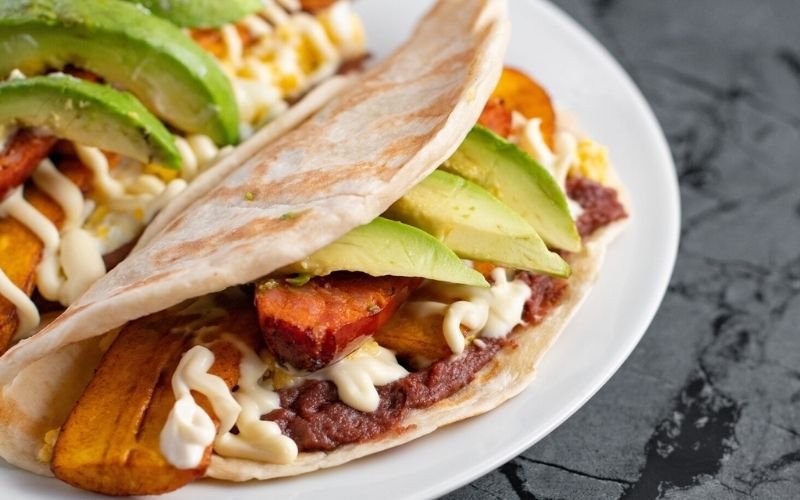
Baleadas are one of Honduras’ most beloved and iconic foods. This simple yet satisfying dish features a soft, warm flour tortilla filled with creamy refried beans and topped with cheese, cream, or other flavorful add-ins. Affordable, comforting, and enjoyed any time of day, baleadas perfectly represent the heart of Honduran home-style cooking.
Why it’s special:
- Affordable, filling, and available everywhere
- Perfect for breakfast, lunch, or dinner
- Known as one of the national comfort foods
Tidbit: Many Hondurans claim you can judge a region’s identity by how they prepare their baleadas!
Sopa de Caracol
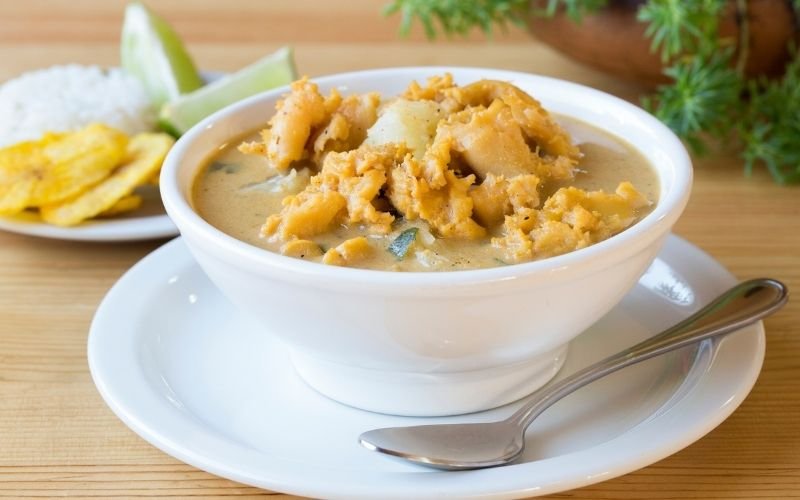
Sopa de Caracol is one of Honduras’ most famous traditional dishes, known for its rich, tropical flavors. Made with tender conch meat, coconut milk, vegetables, and aromatic spices, this hearty soup is a coastal favorite. It’s warm, creamy, and deeply comforting a true taste of Honduras’ Caribbean heritage.
Flavor profile:
Creamy, coconut-forward, lightly spicy, and savory with a tropical touch.
Tidbit: This soup became internationally famous after the hit Garífuna song “Sopa de Caracol.”
Tapado
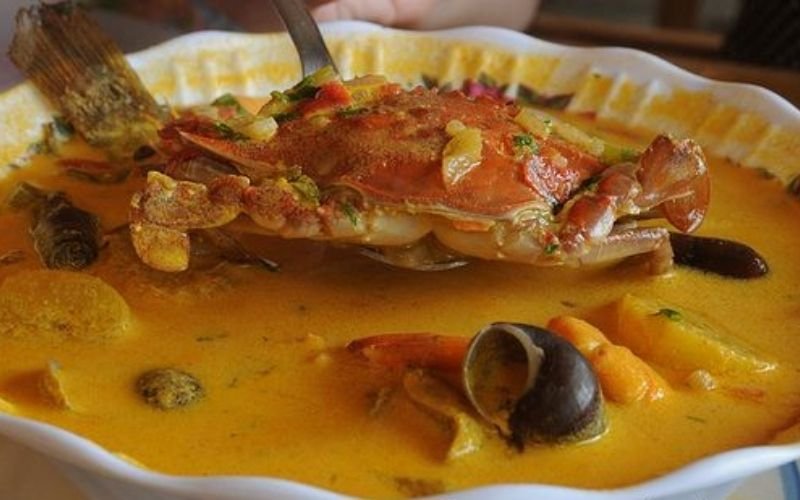
Tapado is a traditional Honduran stew known for its rich, comforting, and tropical flavors. Made with a mix of seafood or meat, ripe plantains, coconut milk, and vegetables, this dish showcases the country’s Caribbean influence. It’s hearty, aromatic, and deeply flavorful a true celebration of coastal Honduran cuisine.
Why locals love it:
- A complete, nutritious meal in one bowl
- A unique blend of sweet and savory
- A signature Afro-Caribbean dish
Tidbit: Tapado is often cooked slowly over wood fires for a deeper, smoky flavor.
Machuca
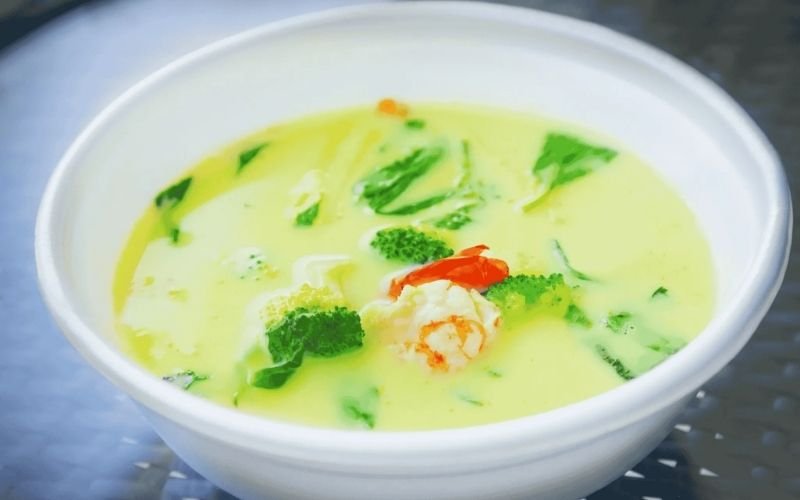
Machuca is a beloved Afro-Honduran dish that beautifully blends simplicity with bold Caribbean flavors. It features hand-mashed plantains served alongside a rich coconut milk soup made with fish, herbs, and spices. Comforting, rustic, and full of tradition, Machuca is a staple in Garífuna cuisine and a true taste of coastal Honduras.
Key elements:
- Smooth, mashed plantains
- Rich coconut-based broth
- Fresh fish or shrimp
Tidbit: Machuca is eaten by hand in some communities adding a cultural touch to the experience.
Tamales
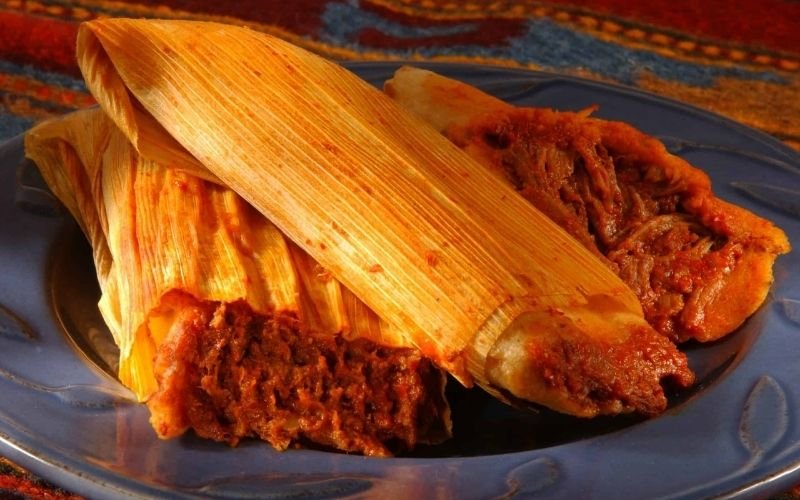
Tamales are a cherished Honduran tradition, enjoyed during celebrations, holidays, and everyday meals. Made from seasoned corn dough filled with meat, vegetables, or beans and wrapped in banana leaves, they’re steamed to tender perfection. Flavorful, comforting, and deeply rooted in Indigenous heritage, tamales are a true classic of Honduran cuisine.
What makes them unique:
- Banana leaves add aroma and moisture
- Often enjoyed during holidays and celebrations
- Each region adds its own twist
Tidbit: In Honduras, tamales are often served with a side of homemade coffee.
Tajadas
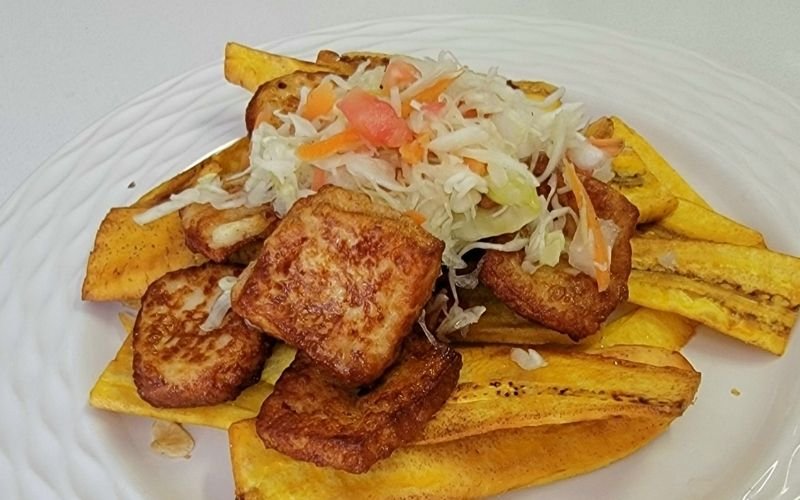
Tajadas are one of Honduras’ most beloved crispy snacks, made from thinly sliced green plantains that are fried to golden perfection. Served with cabbage, meat, or simple seasonings, they offer the perfect balance of crunch and flavor. Whether enjoyed as a street-food treat or a side dish, tajadas add a deliciously satisfying touch to Honduran meals.
Why they’re iconic:
- Popular street food
- Served with meat, cabbage, and sauce
- Add crunch and sweetness to meals
Tidbit: In many households, tajadas replace French fries entirely!
Pollo Chuco
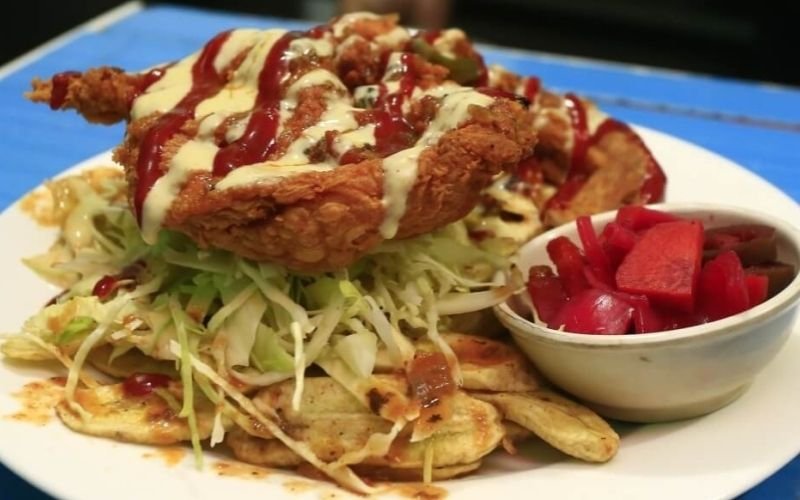
Pollo Chuco also known as Honduran fried chicken is a flavorful, crispy, and iconic street-food favorite. The dish features golden fried chicken served over a bed of tajadas, cabbage slaw, and a zesty tomato sauce. With its crunch, spice, and bold flavors, Pollo Chuco is one of the most irresistible and best foods in Honduras.
Highlights:
- A street-food classic
- Crunchy, tangy, and satisfying
- One of the most popular fast foods in Honduras
Tidbit: Many travelers call it “the best fried chicken in Central America.”
Pastelitos
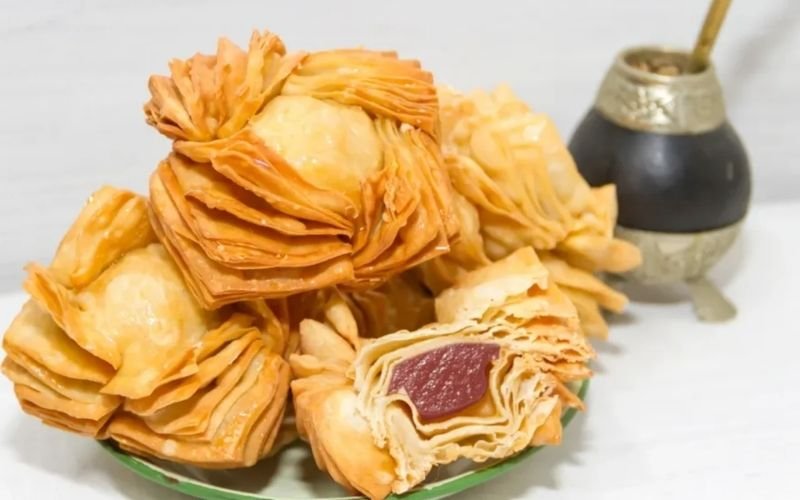
Pastelitos are popular Honduran snacks made from small, flaky pastries filled with seasoned meat, chicken, or vegetables. Crispy on the outside and savory on the inside, they are perfect for quick bites, parties, or street food. Pastelitos are a delicious, convenient way to enjoy the flavors of traditional Honduran cuisine.
Why people love them:
- Great party food
- Crispy outside, savory inside
- Affordable and portable
Tidbit: Pastelitos are common at school events and family gatherings.
Catrachitas
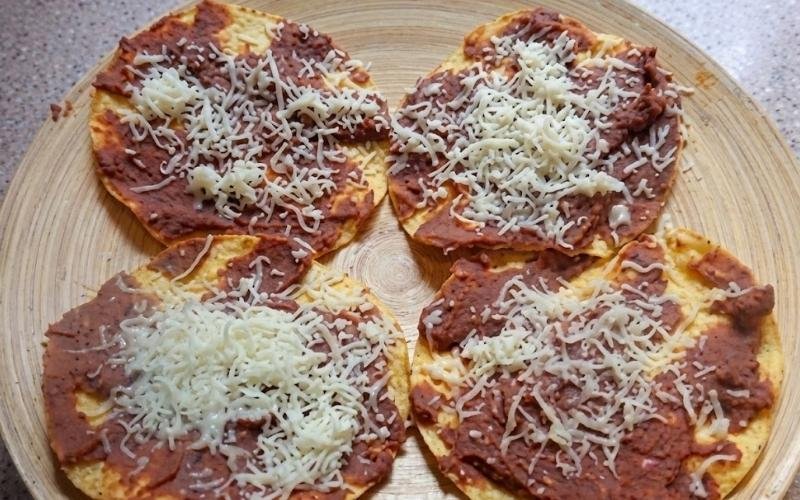
Catrachitas are a classic Honduran street food made from crispy corn tortillas topped with refried beans, cheese, and sometimes a touch of hot sauce. Affordable, flavorful, and easy to eat on the go, they are a beloved snack that perfectly represents everyday Honduran food and culture.
Perfect for:
- Snacks
- Appetizers
- Quick street eats
Tidbit: The name “catracha” refers to Honduran culture making this dish proudly national.
Pupusas
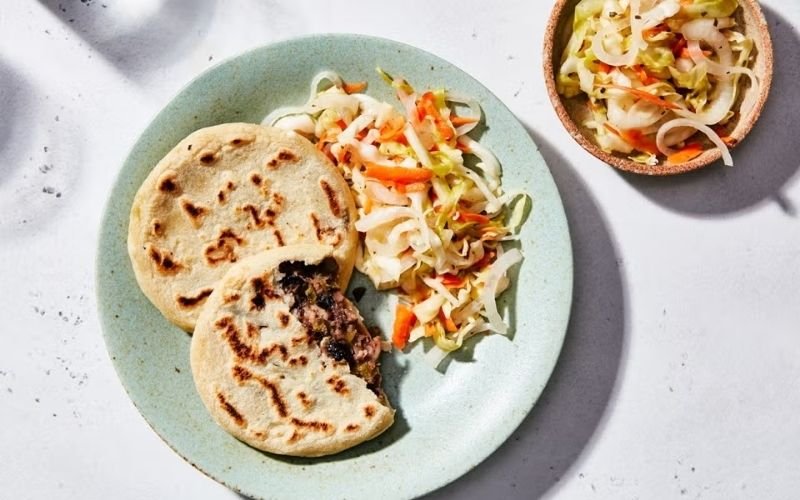
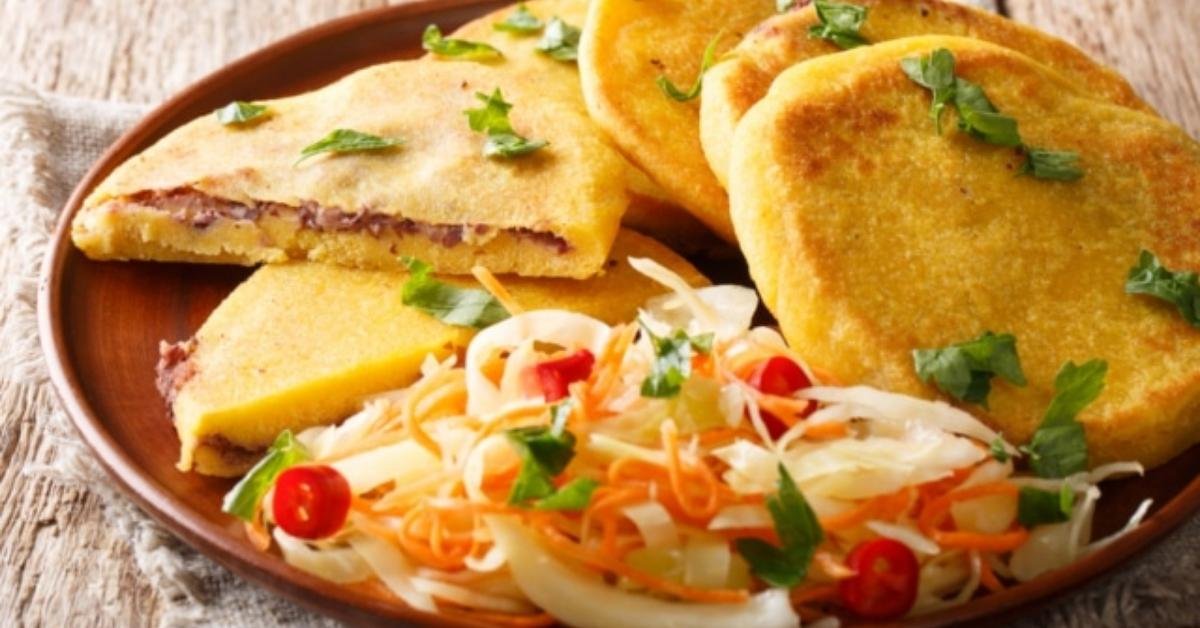
Pupusas are a popular stuffed tortilla dish originally from El Salvador but widely enjoyed in Honduras, especially in border regions. Filled with cheese, beans, or seasoned meat, they are cooked on a griddle until golden and served with tangy cabbage slaw. Pupusas are savory, satisfying, and a beloved comfort food in Honduran cuisine.
Common fillings:
- Cheese
- Beans
- Chicharrón
Tidbit: In Honduras, pupusas are often served with spicier curtido (fermented cabbage slaw) compared to the Salvadoran version.
Torrejas
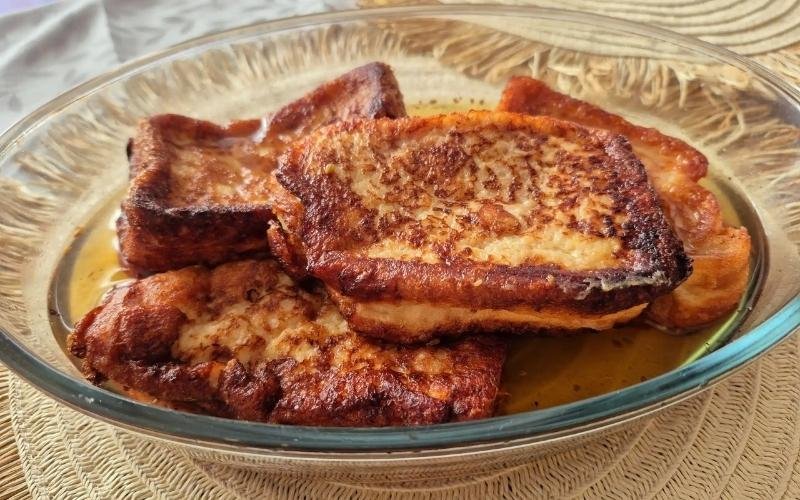
Torrejas are a traditional Honduran dessert made from sweet bread slices soaked in a fragrant syrup of cinnamon, cloves, and panela. Soft, syrupy, and warmly spiced, they are especially popular during holidays and festive celebrations. Torrejas are a comforting treat that showcases the sweet side of Honduran cuisine.
What makes them special:
- Dessert full of warm spices
- Soft, syrupy, and comforting
- A festive favorite
Tidbit: Many Honduran families guard their torrejas recipes like treasure.
Enchiladas
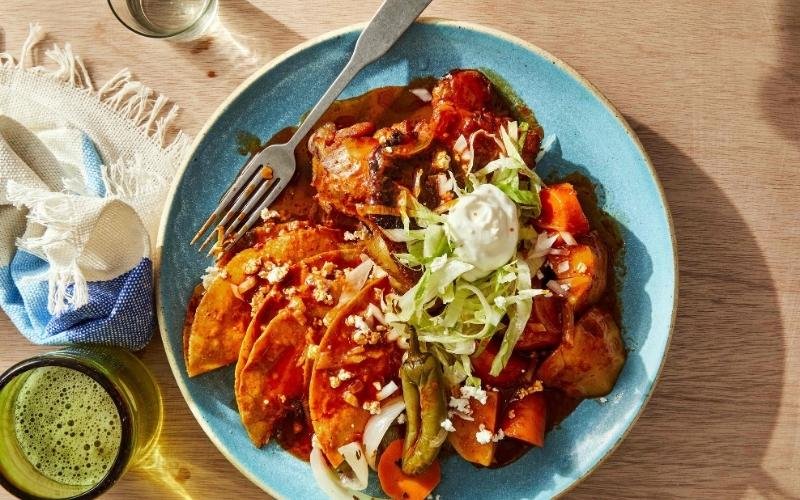
Enchiladas in Honduras are a delicious, open-faced dish featuring a crisp fried tortilla topped with seasoned ground beef, shredded cabbage, cheese, sliced eggs, and tomato sauce. Unlike the Mexican version, Honduran enchiladas are colorful, hearty, and commonly enjoyed as street food or a satisfying snack.
Why they stand out:
- Open-faced style
- Bright, colorful toppings
- Balanced textures
Tidbit: Enchiladas are often sold at weekend markets and street corners.
Carne Asada
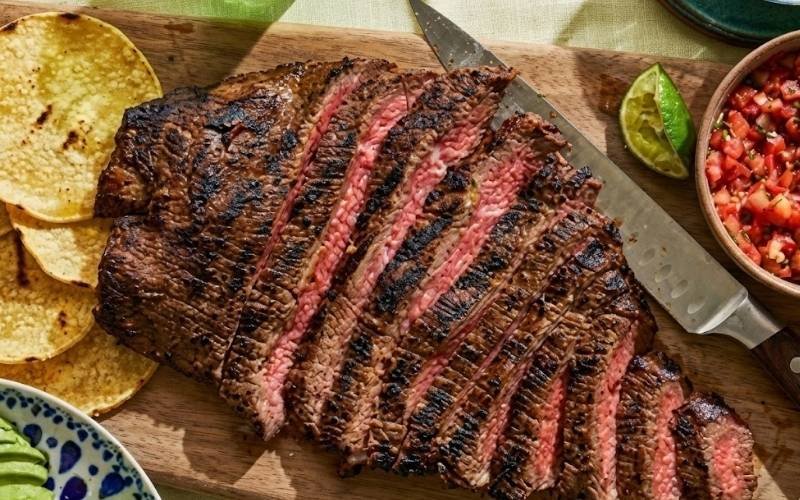
Carne Asada is a popular Honduran dish featuring marinated, grilled beef served with fresh sides like chimol (tomato and onion salsa), beans, tortillas, and plantains. Juicy, smoky, and full of flavor, it’s a staple at family gatherings, celebrations, and outdoor meals, showcasing the hearty and savory side of Honduran cuisine.
Flavor profile:
Smoky, juicy, savory, and fresh.
Tidbit: Carne asada is a must-have at Honduran family gatherings and outdoor parties.
Ceviche
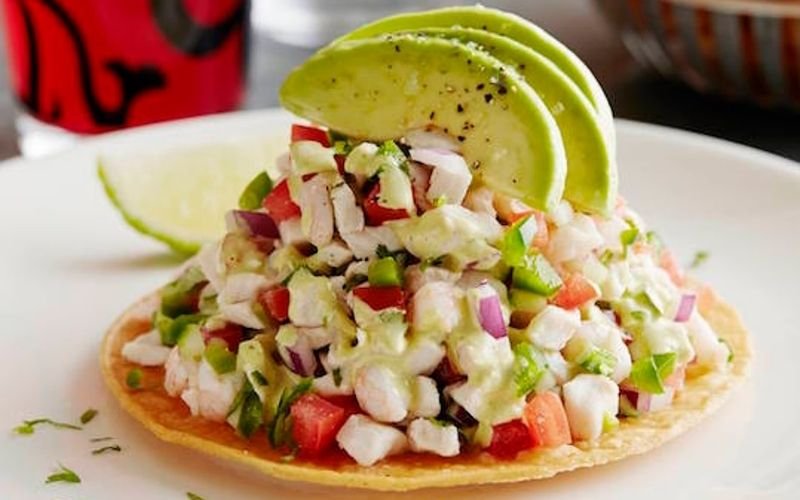
Ceviche is a refreshing Honduran dish made with fresh fish or shrimp marinated in lime juice, mixed with onions, tomatoes, cilantro, and spices. Light, tangy, and full of tropical flavors, it’s especially popular along the coast and is a perfect appetizer or snack to enjoy in the warm Honduran climate.
Why it’s popular:
- Light and refreshing
- Perfect for coastal heat
- Often enjoyed with salted crackers
Tidbit: Some Honduran ceviches include coconut for an extra tropical twist.
Tapado Olanchano
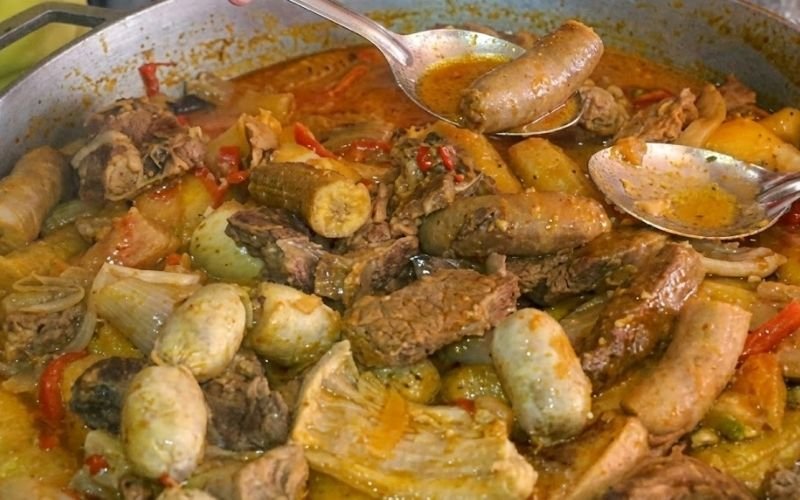
Tapado Olanchano is a traditional Honduran stew from the Olancho region, made with beef ribs, plantains, corn, vegetables, and aromatic herbs. Rich, hearty, and deeply comforting, this rustic dish reflects the farm-to-table traditions of inland Honduras and is a must-try for anyone exploring authentic Honduran food.
What makes it unique:
- Not seafood-based like coastal tapado
- Rich, thick, and deeply comforting
- A farm-style, rustic stew
Tidbit: Tapado Olanchano is often served during festivals and large family meals.
Chicharrones
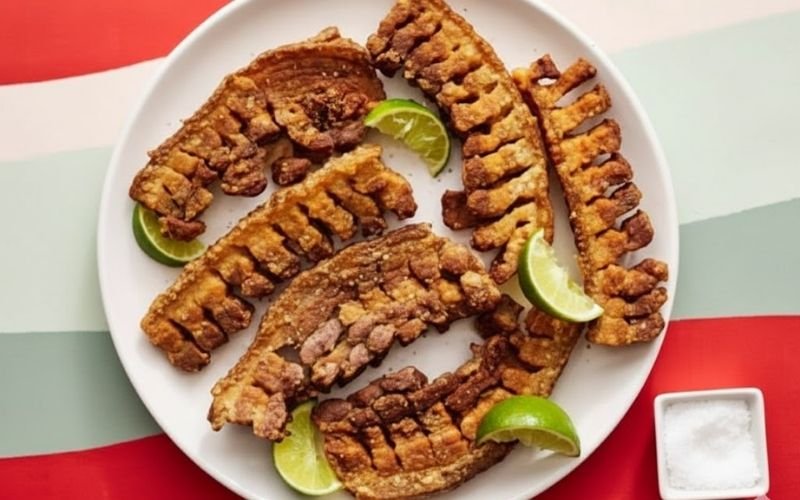
Chicharrones are crispy, golden-fried pork belly or pork skin, seasoned to perfection and enjoyed as a snack, side dish, or taco filling. Crunchy, savory, and highly addictive, chicharrones are a beloved street food and a staple in Honduran cuisine that highlights the country’s love for bold, hearty flavors.
Why they’re loved:
- A perfect snack or taco filling
- Salty, crunchy, addictive
- Common at markets and carnicerías
Tidbit: In many Honduran towns, chicharrón vendors sell out before noon!
Final Thoughts
Honduran food is more than just a collection of recipes it’s a celebration of culture, family, and centuries-old traditions. From hearty corn-based dishes to vibrant coastal seafood meals, every bite reflects the country’s diverse landscapes and multicultural heritage. Signature dishes like baleadas, sopa de caracol, and tajadas tell a story of flavor, history, and community.
What makes the best food in Honduras truly special is its balance of simplicity and boldness. Fresh ingredients, homemade techniques, and rich cultural roots create meals that are comforting, memorable, and deeply satisfying. Whether enjoyed at home, in local markets, or during travel, Honduran cuisine leaves a lasting impression on every food lover.
FAQs
1. What is the most famous food in Honduras?
The most famous food in Honduras is baleadas. This simple yet delicious dish features a thick flour tortilla filled with refried beans, cheese, and cream. Many variations add eggs, avocado, or meat, making baleadas a versatile favorite enjoyed any time of day.
2. What ingredients are most common in Honduran cuisine?
Honduran food relies heavily on corn, beans, rice, plantains, yucca, seafood, coconut milk, and fresh vegetables. These ingredients form the base of everyday dishes as well as iconic foods like sopa de caracol, tamales, and carne asada.
3. Is Honduran food spicy?
Generally, Honduran cuisine is mild, not spicy. While chili sauces and pickled jalapeños are available, traditional dishes focus more on savory, creamy, or slightly sweet flavors. Spice can be added according to personal preference.
4. What is a typical breakfast in Honduras?
A traditional Honduran breakfast includes eggs, refried beans, cheese, avocado, fried plantains, and warm tortillas. Baleadas are also a popular breakfast choice, especially the baleada especial with eggs or avocado.
5. What are the best street foods in Honduras?
Some of the best street foods in Honduras include pollo chuco, catrachitas, enchiladas, pastelitos, and fresh tajadas. These foods are flavorful, affordable, and widely available across markets and roadside vendors.
6. What is the most popular dessert in Honduras?
One of the most popular desserts is torrejas, sweet bread slices soaked in a cinnamon-and-panela syrup. They are especially enjoyed during Christmas and Holy Week but loved year-round for their comforting, warm flavor.
7. What makes Honduran cuisine unique?
Honduran cuisine stands out because of its rich multicultural roots Indigenous, Spanish, and Afro-Caribbean influences blend to create dishes that are simple, bold, and deeply comforting. The use of plantains, coconut, corn, and fresh seafood makes the flavors distinct from neighboring cuisines.
8. Can I find Honduran food outside of Honduras?
Yes! Honduran restaurants and bakeries can be found in the United States, Canada, Spain, and parts of Latin America. Dishes like baleadas, sopa de caracol, and pollo chuco are becoming increasingly popular internationally.
9. What is the national dish of Honduras?
Many consider plato típico (a plate of beef, beans, rice, plantains, and tortillas) to be the national dish. However, baleadas and sopa de caracol are also strong cultural symbols.
10. Is Honduran food healthy?
Many Honduran dishes are naturally healthy due to their reliance on whole foods beans, corn, plantains, vegetables, seafood, and lean meats. However, as with all cuisines, fried foods like tajadas or pollo chuco should be enjoyed in moderation.